Assassin’s Creed Shadows (Nintendo Switch 2) Review

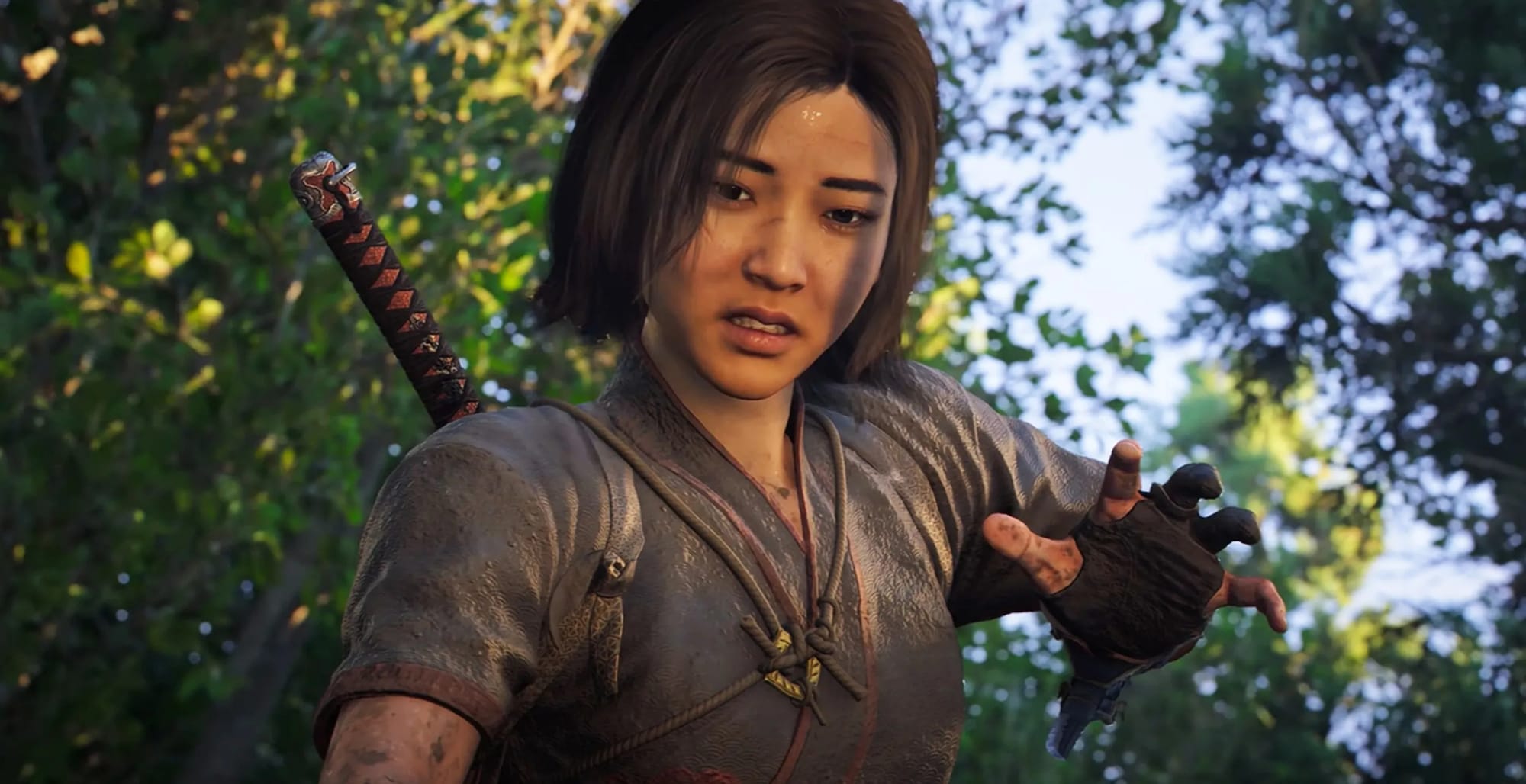
Back in March, we reviewed Assassin’s Creed Shadows on traditional consoles and PC. You can read that full review on HERE, where we dig into the narrative, characters, and gameplay systems in detail. For this review, we are focusing entirely on the Nintendo Switch 2 version and how Ubisoft approached one of its most ambitious ports to date.
The idea of playing a modern, large-scale Assassin’s Creed game natively on a Nintendo platform once felt impossible. But 2025 has already given us the Switch 2 port of Star Wars Outlaws, and now Ubisoft has followed it up with Assassin’s Creed Shadows. And remarkably, they have done it again: this is a true one-to-one port, not a cloud version, not a reduced content edition, and not a compromise-heavy rebuild.
This is the full game running on a handheld, and while there are visual compromises, the achievement remains impressive.
A Full Console Experience on Switch 2
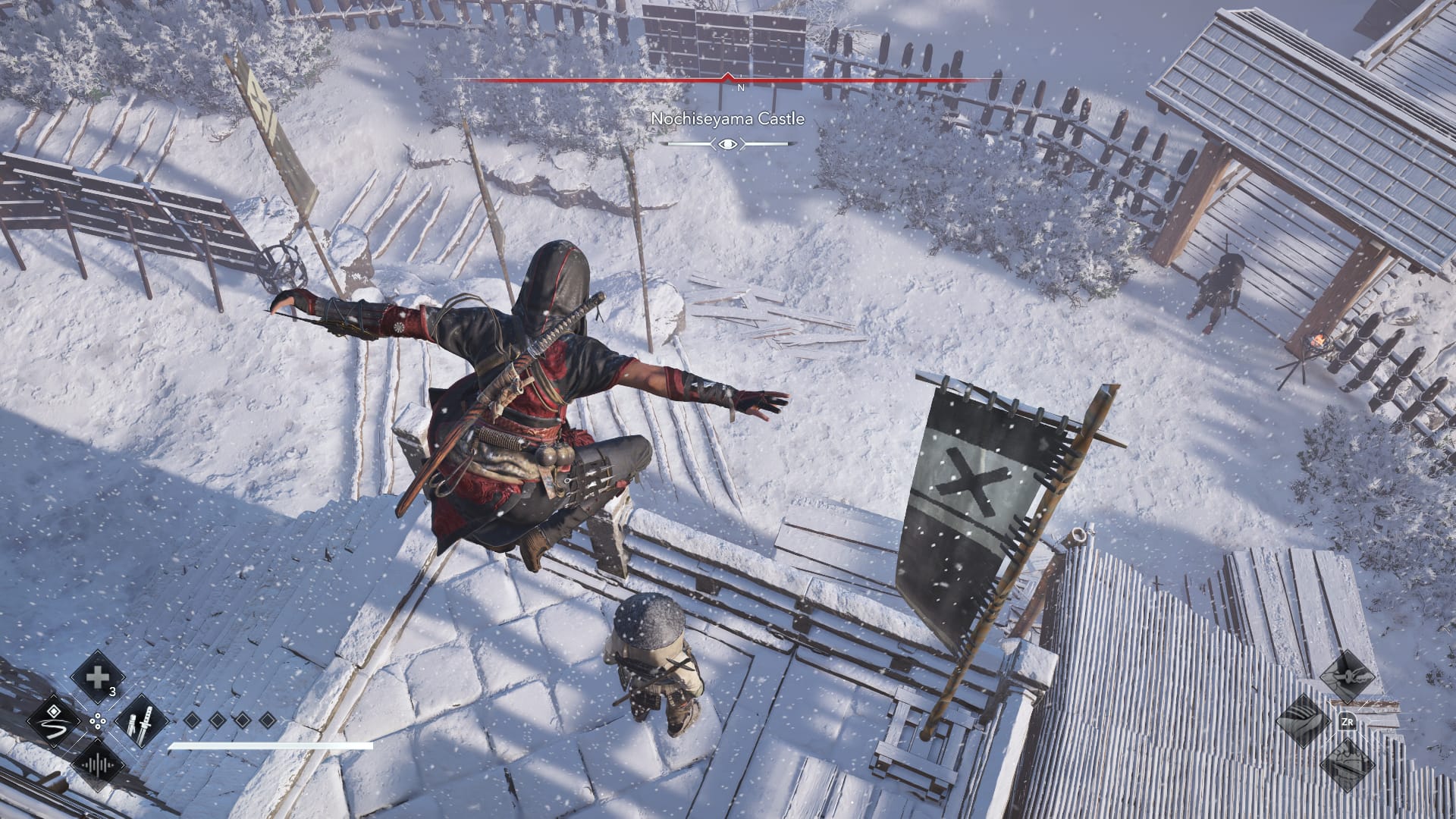
The most important thing to establish is that nothing has been cut. The Switch 2 version includes the entire base game exactly as it appears on PlayStation 5, Xbox Series X, and PC. All patched-in content available so far is baked in from the start. The only exception is the Claws of Awaji expansion, which is not bundled but will be available as a separate purchase in February.
Even touch controls have been included, though they are limited to menus and the base-building system. Full mouse controls are absent, but that is expected for the platform.
Ubisoft Connect cross-progression is here as well, meaning saves and progress can move freely between platforms. That feature alone brings huge value for players who want to seamlessly jump between home hardware and handheld play.
This is the closest Assassin’s Creed has ever come to offering a true console-tier experience on a portable system.
Performance and Technical Sacrifices
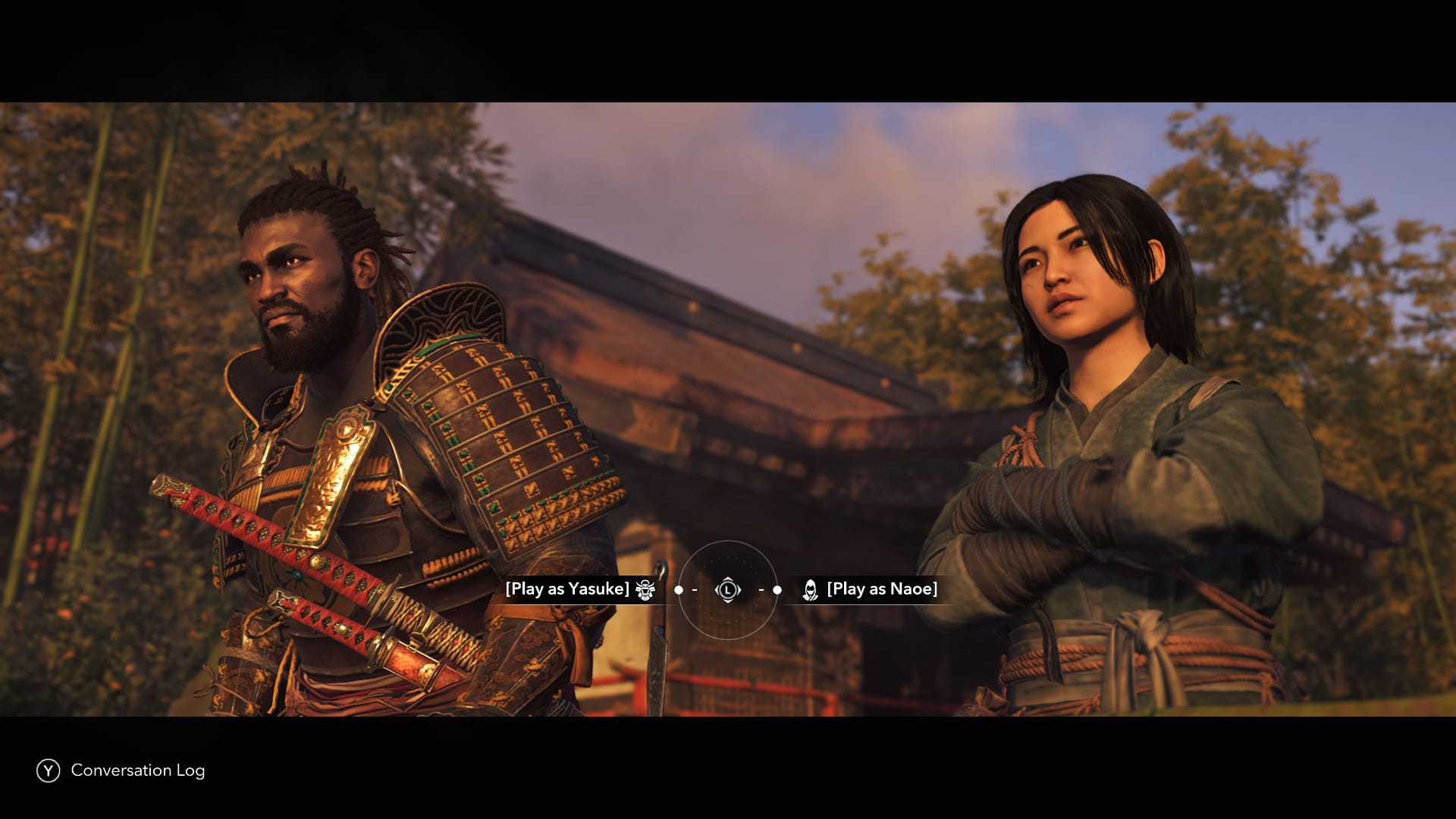
While Shadows is one of Ubisoft’s best-looking titles, achieving visual parity on Switch 2 required compromise. The developers have been surprisingly open about what had to change, and that honesty pays off.
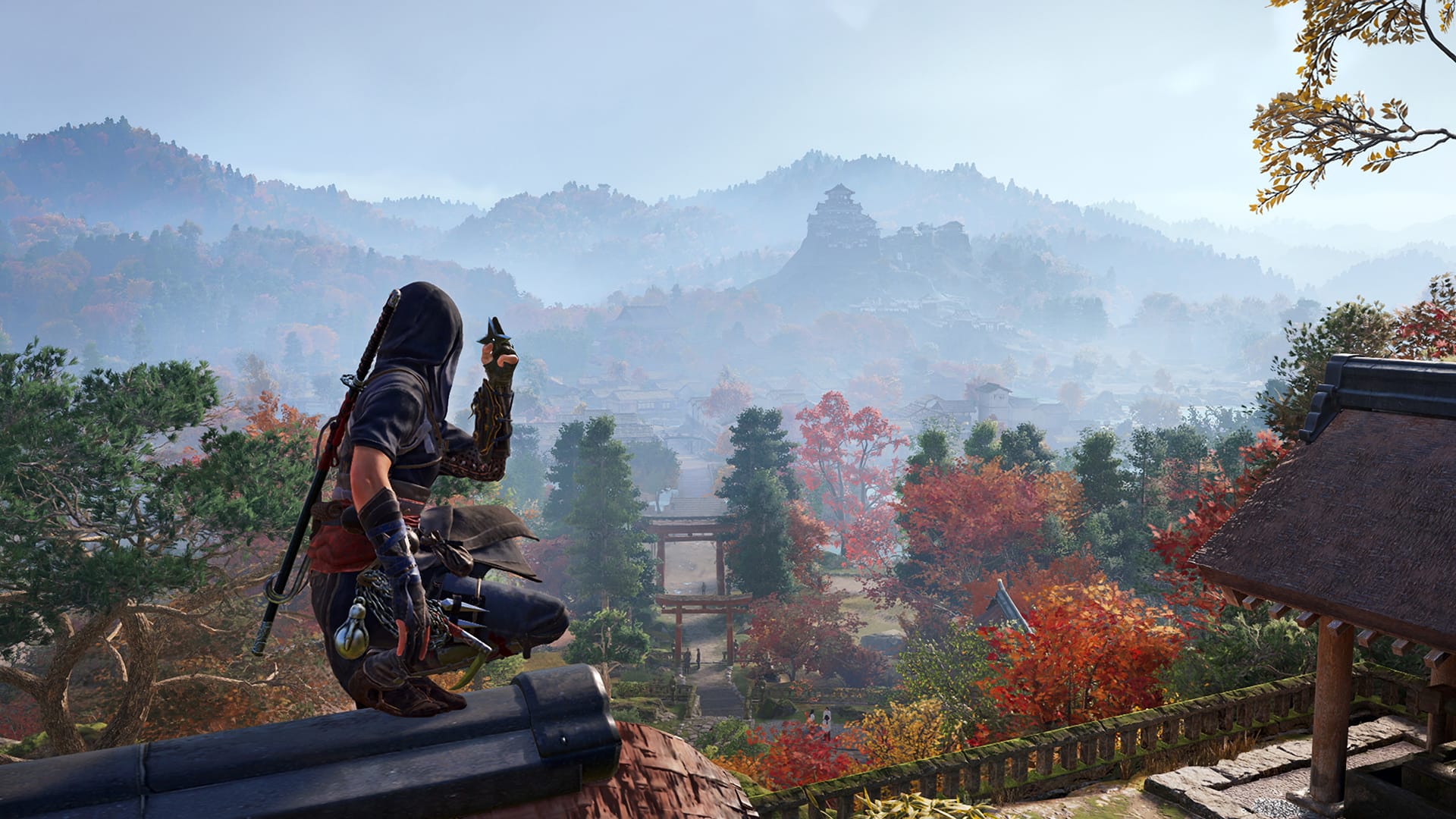
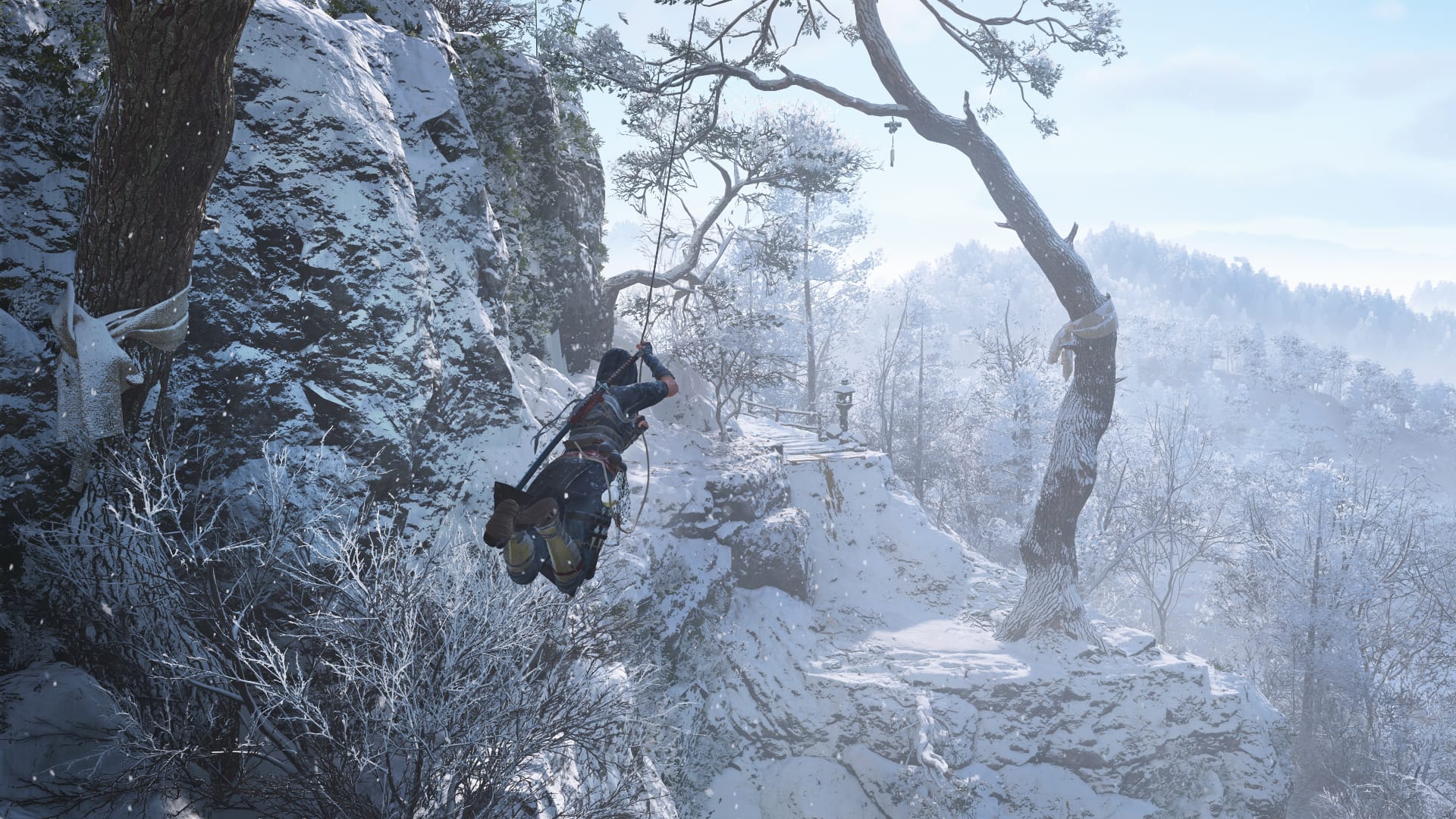
The good news is that the game still looks strong. Environmental detail remains impressive, the lighting system is mostly intact, and large vistas retain the atmosphere of other versions. However, players who have spent time with Shadows on PS5 or PC will immediately recognize the lowered environmental density, simplified geometry, reduced foliage, and softer textures.
At times, character models in dialogue scenes can appear waxy or overly smoothed. Texture pop-in occasionally happens in dense environments. These issues never fully break immersion, but they are present.
The biggest issue comes from performance in crowded population centers. When docked, the game targets 30 frames per second and usually holds it, but dips occur during busy sequences. When undocked, these dips become more noticeable and can affect the smoothness of traversal. Shadows relies heavily on large, NPC-filled areas, so frame stability becomes a recurring concern during handheld play.
That said, Ubisoft implemented several impressive technologies to maintain stability. Shadows uses DLSS upscaling and VRR support when undocked, mirroring techniques used in the excellent Switch 2 port of Cyberpunk 2077. These systems help compensate during graphically intense moments, preventing the game from collapsing under its own weight.
In motion, especially during open-world exploration, the game holds together better than expected. It never reaches the smoothness of the strongest platforms, but the ambition here is undeniable.
A Technical Achievement with Clear Limits
When Assassin’s Creed Origins first arrived on the original Nintendo Switch via cloud streaming, few could imagine a future where the series would run natively on handheld hardware. The Switch 2 changes that reality, and Shadows stands as one of the best examples of how far Nintendo’s newest system can be pushed.
Compared to the leaps Ubisoft made in 2017 to squeeze massive worlds onto underpowered hardware, this port feels like a triumph. Yes, the framerate can struggle, textures can soften, and busy towns can cause stress on the system, but none of these drawbacks overshadow what the developers have accomplished.
It is one thing to run a large Ubisoft open-world game. It is another to do so faithfully, completely, and without cutting content.
If you accept the limitations of portable hardware, Shadows on Switch 2 represents a milestone. It shows what is becoming possible for future cross-platform releases.
Final Verdict
Assassin’s Creed Shadows on Nintendo Switch 2 is one of the most impressive third-party ports ever released on a Nintendo platform. It retains the full experience, all the systems, and nearly all the visual identity of the current-gen versions, while making smart technical adjustments to preserve stability.
The sacrifices in character detail and texture density are noticeable, and busy town segments expose the limits of the hardware. However, none of these issues outweigh the achievement of seeing such a massive game running natively on a handheld.
If you want the sharpest, cleanest, and most stable version of Shadows, the PC and PS5 releases still hold the crown. But if you want a fully portable version without losing content, without streaming limitations, and without performance-breaking compromises, the Switch 2 version stands tall as a remarkable technical accomplishment.