Blade Runner 2099 Review

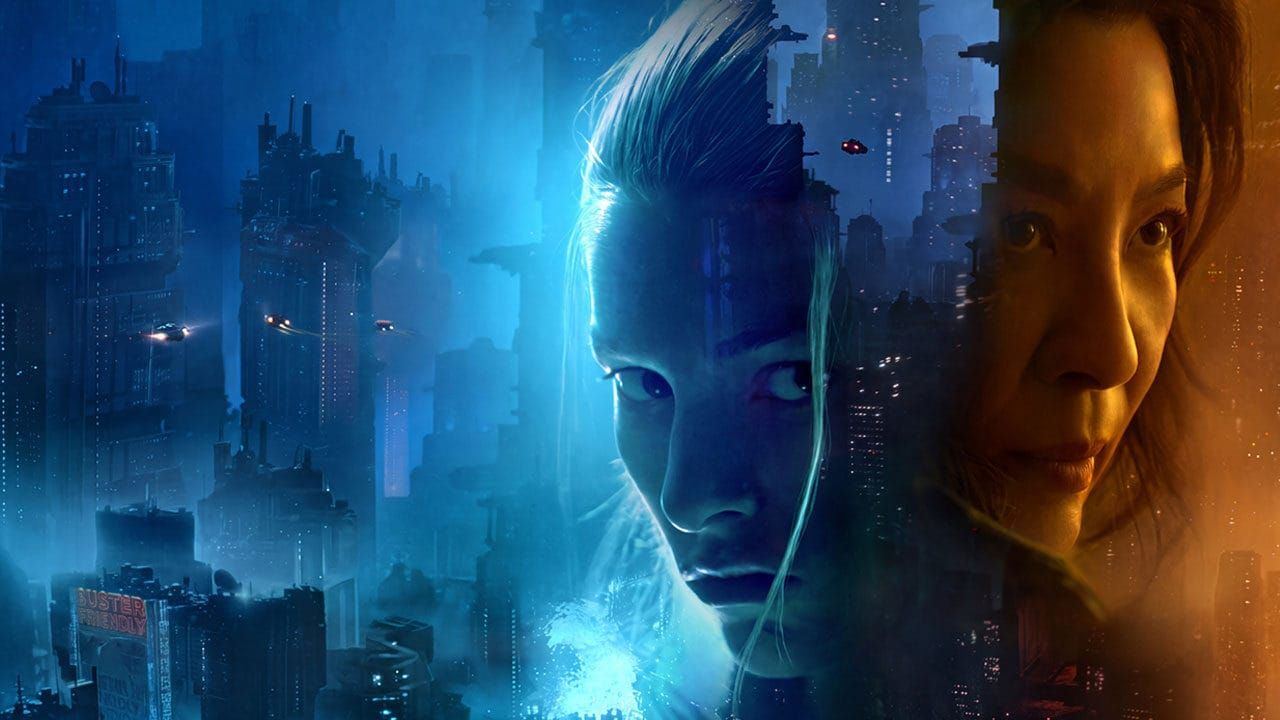
Cora has to convince a replicant that she belongs on the job. It’s a great setup for a Blade Runner story, especially once you meet her partner. Cora, played by Hunter Schafer, is a human fugitive trying to buy a future for herself and her brother. Olwen, played by Michelle Yeoh, is a veteran replicant blade runner with only days left to live. One woman needs to get through this assignment without giving herself away. The other has to decide how much of the time she has left she wants to spend at work. Their partnership is the best reason to watch Blade Runner 2099.
Set fifty years after Blade Runner 2049, the Prime Video series gives newcomers an easy way into this world. Replicants once did the work of twenty humans, a bargain from the perspective of the companies employing them. By 2099, replicants hold power, and blade runners hunt humans who fight back. The detail that makes that reversal hit home is how much depends on identification. A human and a replicant can stand face to face without either knowing the difference. For Cora, the right ID can get her through the door. Schafer makes you feel how much harder it is to stay convincing once she’s inside.
I liked having Cora’s brother, Elias, as her reason for taking the job. Wanting to get someone you love out of a bad situation is easy to understand, even if this is your first trip into the Blade Runner universe. The trouble is that the sibling story and Olwen’s story sometimes feel like they belong to two different shows. Just as one starts to get interesting, the other needs attention. Yeoh brings enough weight to Olwen that an early glimpse into her past makes you want to stay with her. Going back to the investigation can feel like an interruption.
The sets and technology give the series plenty to look at, but one of its best choices is something you hear. There’s saxophone in the score, and that touch of late-night detective music suits a story about two partners feeling each other out. The music finds an emotional register the dialogue occasionally misses. Schafer in particular can make Cora’s discomfort clear before she says a word. It’s frustrating when a conversation that ought to bring you closer to her tells you less than her expression just did.
Across eight episodes, the pacing is the biggest issue. There’s room in a detective story to let a question hang, especially when you understand why the answer matters to somebody. Here, the show can spend a long time on a development and still leave you wondering why it deserves that much attention. Cora gives the opening a sense of urgency that the larger story struggles to sustain. By the time the plot gathers momentum, some of the tension built into her disguise has already slipped away.
Hunter Schafer and Michelle Yeoh make a strong case for returning to this world, and the reversal gives first-time viewers a good place to start. The series is at its best when Cora has to read Olwen across a room while keeping her own face under control. More time exploring that relationship would have made these eight episodes easier to recommend.
What We Liked
- Hunter Schafer and Michelle Yeoh. Schafer makes it easy to see when Cora is afraid, even as she tries to keep Olwen from noticing. Yeoh gives Olwen’s quieter moments weight, especially once we learn how little time she has left.
- The reversal works for newcomers. With replicants in power and humans being hunted, Cora faces a dilemma you can understand even if you’ve never seen a Blade Runner film. She needs the job to protect her brother, but taking it puts her alongside someone trained to hunt people like her.
- The look and sound of the world. The sets and technology were highlights, and the saxophone in the score stood out. It gives Cora and Olwen’s investigation the feel of a late-night detective story.
What Didn’t Work for Us
- The pacing across eight episodes. Cora has an urgent reason to act from the start, but the investigation takes hours to gather momentum. At times, her need to get her brother to safety feels more pressing than the case the show wants us to follow.
- The strongest storyline got cut too short. There's a storyline that was very strong in the show that would have helped and made sense for certain characters' goals if it had stuck around till the end.
- The two leads’ stories compete for time. We were split on Cora and Elias. Their relationship gave Cora a personal reason to take the job, though it was also the least engaging part of the show for one of us. The bigger issue was how often the series shifted focus just as Cora’s or Olwen’s story was getting interesting.
- The story can get messy. There's a lot of jumping around in this show, especially, and if you're a newcomer to the series, you'll be very confused and be asking what or why this is happening.