Fallout Season 2, Episode 2, "The Golden Rule" Recap & Review

WARNING: SPOILERS AHEAD
Overall, this episode delivers what Fallout does best: it turns jokes into scars, and scars into punchlines. The story is messy, morally uncomfortable, and quietly heartbreaking in ways that go beyond just the bomb visuals.
Opening in Shady Lanes feels like someone dropped a 1950s postcard into a nightmare, shook it, and hit play. The tinkering dad, the hopeful tone, the dinky water filter project: it all sells you on the idea that people really did try to rebuild something gentle after the bombs. Then a passed‑out traveler rolls in, the camera lingers on that device in his neck, and suddenly the whole town is on a timer they don’t even know is running.
The fridge moment is where the show leans hard into its pulp roots. Parents shoving their kid into a lead‑lined fridge as a last act of love should feel ridiculous, but it lands. It’s desperate, it’s smart in a “we’ve all seen the same movies” way (Thanks Indiana Jones), and it’s exactly the kind of improvisational logic people cling to when they know they’re already dead. That hard cut from their choice to the mushroom cloud swallowing Shady Lanes is brutal, and it sets the emotional tone for the rest of the episode: survival as a curse, not a reward.
Cutting from the obliteration of Shady Lanes to Hank quietly washing his hands is vicious editing. This is quite literally a visual way of showing the audience how he "washes his hands" of the situation. He looks younger, making it even more clear this is a flashback, more put together, and still somehow hollow. Seeing “Detonation successful” casually pop up on his Pip‑Boy while he plays with Lucy and Norm is one of those details that does more character work than a whole monologue could. The guy is literally parenting and genociding on the same timeline... What he's up to this episode in Vault-Tec is probably my favourite sequence of the episode, but you'll have to tune in to see what happens there...
Lucy and Coop the Ghoul are still the show’s secret weapon. Their scenes feel like two genres trapped in a car together: optimistic coming‑of‑age road movie vs. jaded noir. The Ghoul demanding water and calling her “stupid” for being kind feels harsh, but it fits a guy who’s literally watched centuries of people weaponize good intentions. Lucy insists, “Doing the right thing is never a waste of time,” which sounds like something a Vault education poster would say, and she actually believes it.

The hospital sequence is peak Fallout: screaming in an abandoned building, sketchy Tunic‑coded strangers, The Ghoul playing along just long enough to slit a throat, and then karma rolling in as bad flesh makes him cough himself into agony. Lucy’s choice to save the Tunic woman instead of easing The Ghoul’s suffering is what defines her. She’s not just “nice.” She’s stubborn about her morals to the point of self‑sabotage. When she leaves him behind with that “I’ll be back, think about what you’ve done” energy, it feels like a mom grounding a child who’s older than the entire post‑war world.
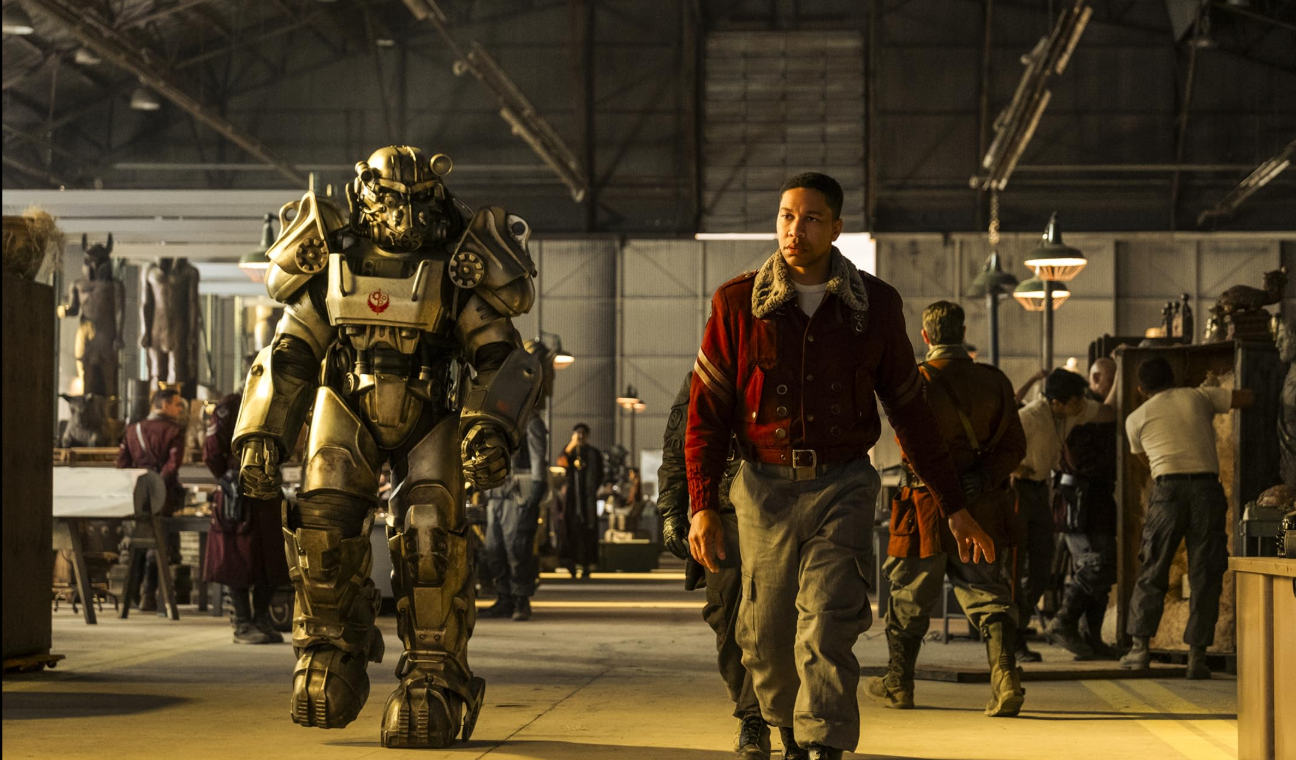
Maximus’ storyline goes full “what if a religious military LARP got their hands on god‑tier toys.” He’s positioned as an authority figure now, basking in credit for wins he didn’t exactly earn, and you can feel how much he likes finally being taken seriously. The discovery of Area 51 is handled with exactly the right amount of winking absurdity. The frozen alien bit is great not just because it’s funny, but because it shows how completely disconnected this generation is from pre‑war meaning. To them, this isn’t mythology. It’s spare parts.
Elder Cleric Quintus slides in as the kind of villain who thinks history is just raw material for his personal legend. He’s weaponizing faith, nostalgia, and nuclear tech in one package. The cold fusion cells, the quiet talk of unifying banners, the not‑so‑subtle plan to move against the Commonwealth — it all feels like a crusade wrapped in Brotherhood branding. Dane, being the lone voice of concern this episode, grounds the whole thread. You can see Max stuck between hero fantasies and the reality that he’s standing beside a man who’s about to start a holy war because he finally found a big enough stick.
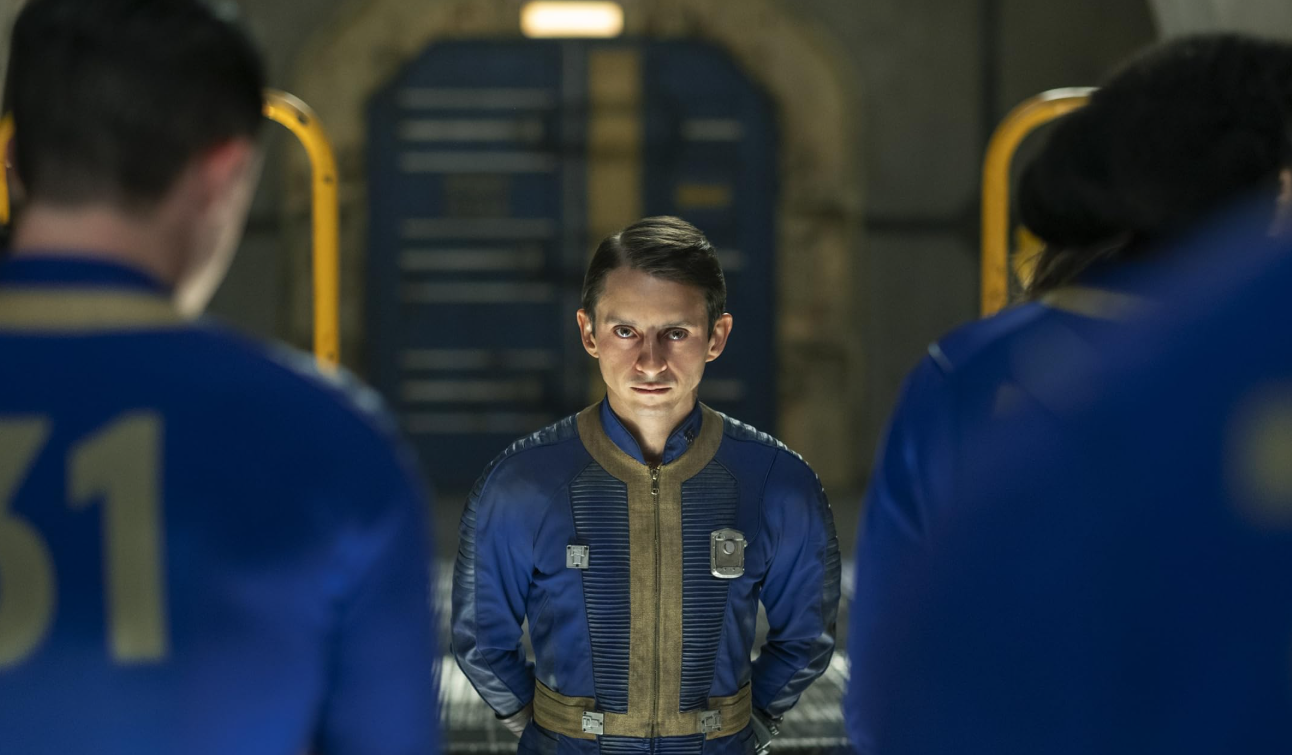
Norm thawing out Vault 31 is one of those sequences that answers the “what happens if the NPC finally presses the red button” question. He lies about Bud, he improvises leadership, and somehow, people go along with it. There’s this great contrast between his obvious discomfort and his natural knack for crowd control. It’s hard not to see Hank in him, just less polished and a lot less dead inside.
When the vault doors open and everyone is horrified by the wasteland, Norm calling it “beautiful” hits exactly right. He’s never seen sky, never seen distance, never seen anything that wasn’t designed for him. Of course, he thinks catastrophe looks gorgeous. The episode quietly sets him up as a wild card: he’s got curiosity, charisma, and a family tree full of morally flexible leaders. Whether he leans toward Lucy or Hank by the end of the season is anyone’s guess, but this is the episode where he stops being background and starts feeling like a future problem or solution.
Lucy’s journey with the Tunic girl snapping into a trap feels very “Fallout quest gone wrong.” The warning about getting assaulted, the silhouettes with guns and fire in the hills, the Tunic girl vanishing the second Lucy’s properly cornered — it all reinforces that naivety is a liability out here. She’s trying to be the paragon in a world that keeps rolling renegade checks behind her back.
The Brotherhood finale in the bunker brings the episode home. Max being forced into a fight he doesn’t want, winning in a way that disgusts the only person whose opinion we trust in that room, and then instantly being overshadowed by the arrival of Kumail Nanjiani’s Commonwealth envoy is a smart power shift. This guy walks in like he’s already seen the ending and is just here to watch everyone else catch up. He knows about the brewing civil war, he looks entertained by it, and he’s exactly the kind of charismatic troublemaker this universe thrives on.
Episode 2 doesn’t just move the plot forward. It sharpens the thesis. Power, in Fallout, always comes with a body count, and the people holding it smile a little too easily while they tally the numbers.