Fishbowl Review

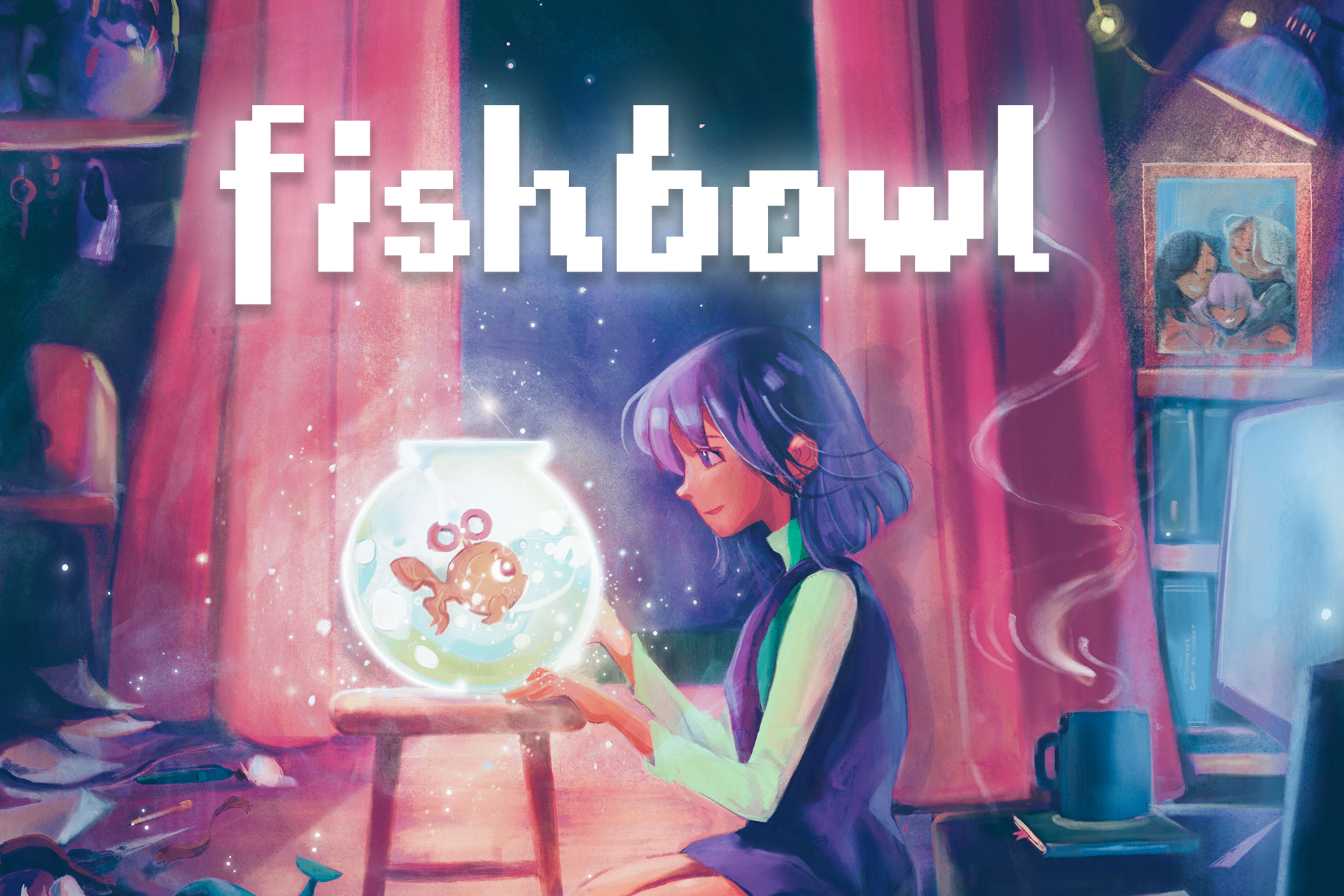
"No matter what, you got through the day..."
After playing the preview of Fishbowl, I knew I was already emotionally invested. But sitting down with the full game? That was an entirely different experience than what I somehow imagined. It’s rare to find a game that feels this personal, this intimate, and still so beautifully universal. Fishbowl starts as a cozy narrative journey, but it quietly evolves into something deeper — a reflection on how we process love, loss, and identity.

The developers at imissmyfriends.studio, a small two-person indie team based in India, have crafted a world full of warmth, color, and emotional texture. Every animation, every note of the lo-fi soundtrack, every piece of pixel art... It all feels intentional. The artistic choices don’t just decorate the story; they amplify it. The detailed apartment interior, the tiny motions during conversations, and even the glowing fishbowl itself serve as gentle emotional anchors. This is the kind of design where you can feel the heart behind every pixel.
A Story About Family, Fear, and Finding Yourself
It took me about 8–10 hours (speeding through the first hour since I had played the demo) to complete the game, and the pacing felt just right. I didn't want to put this game down. The story unfolds through day-to-day life: working from home, chatting with friends, cooking familiar foods, cleaning your apartment, reminiscing about loved ones. As we guide Alo, a young videographer, through the aftermath of her grandmother Jaja’s passing, we also follow her as she starts her first real job out of school, all while living in a completely new city, alone, and OH HEY... during the early pandemic days.
That context matters. Juggling grief, a new career, and isolation is a lot for anyone, and Fishbowl handles it with care. Six years after the peak of COVID, it’s surreal to re-experience that stretch of time through Alo’s story. The quiet evenings alone, the blur between work and rest, those video calls that kept us tethered to the world... The game captures that atmosphere with honesty and tenderness.
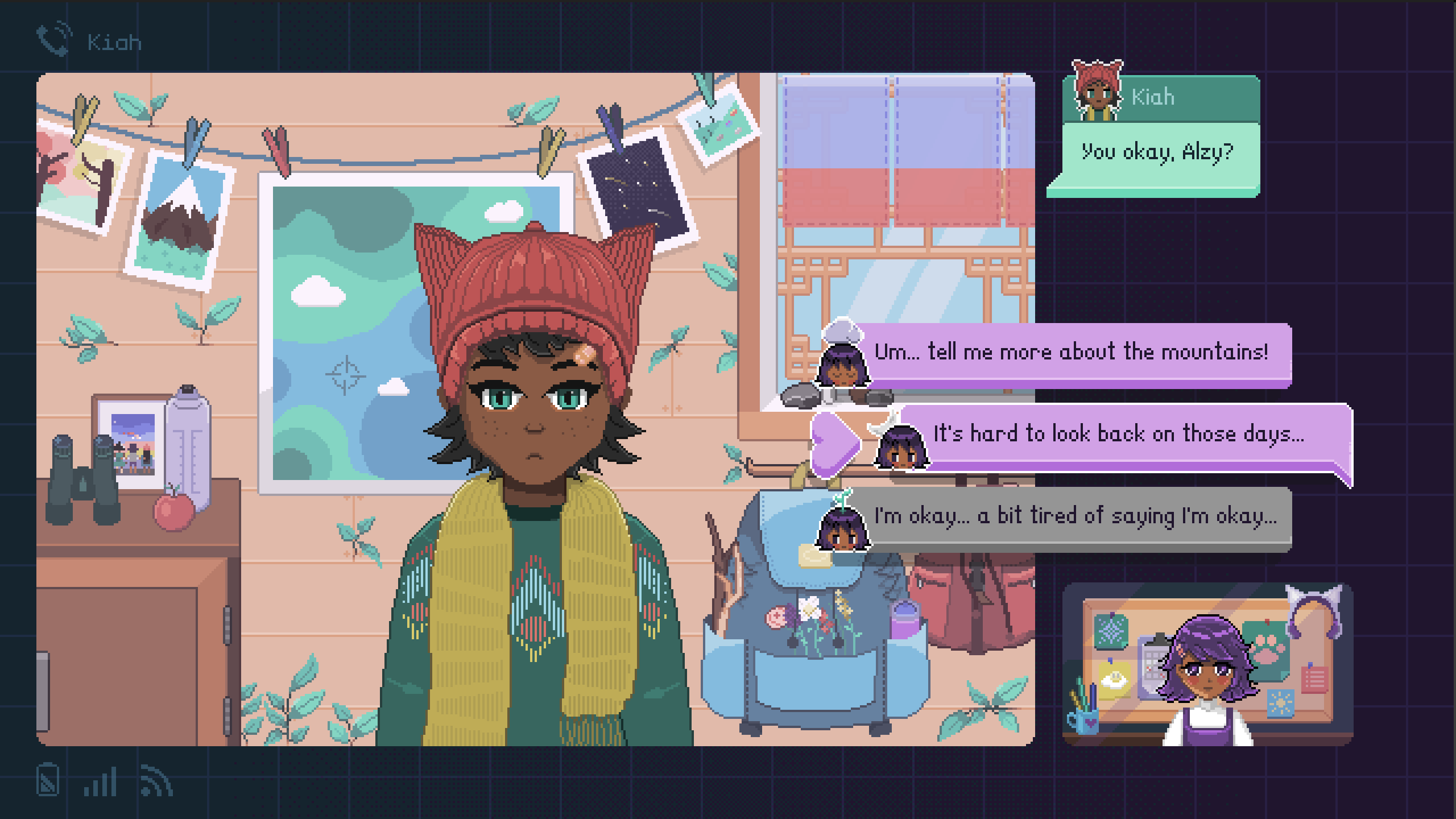
But this isn’t a story about tragedy, it’s about transformation. The flashbacks between Alo, her mom, and Jaja remind us how generational love shapes who we become. These three women are different, but there’s an invisible thread connecting them: shared recipes, cultural traditions, whispered stories, and shared experiences. Fishbowl doesn’t just tell you about this family’s Indian heritage; it shows it in the quietest ways — through the food Alo cooks, the Chataai mats she unpacks, and a plethora of nostalgic trinkets tucked away in Jaja’s packages.
By the end, I felt like I’d learned something about the family’s culture that went beyond surface details. It’s an emotional education — one built from the small things families pass down over generations. And in seeing that, you start to think about your own family’s versions of those items, those rituals, those memories and what they mean to you.
No Villains Here — Just Our Inner Demons
One of the most refreshing parts of Fishbowl is how it’s not about overcoming an external enemy. There are no “boss fights” in the traditional sense, instead, the biggest antagonist lives inside Alo’s head. Her doubts, fears, guilt, and grief are what she’s fighting against. Her love of writing poetry halted as her grief results in writers block, cutting off one of her deepest passions. In that sense, this story hits close to home: we’re all our own worst enemies sometimes.
That subtlety is what gives Fishbowl its lasting impact. Watching Alo slowly open up — to her coworkers, her friends, her mother, even herself — feels like witnessing someone breathe again after years of holding their breath. The relationships she builds and rebuilds remind us how grief can bring growth, and how healing doesn’t erase pain; it reshapes it.
Designed With Love and a Gentle Hand
As a whole, Fishbowl thrives on its atmosphere. The art direction is pure comfort: bright yet soft pixel scenes painted in cozy tones, all wrapped in a subtle glow that makes every environment feel lived-in. It evokes those long, quiet evenings when you’ve got music playing in the background and the world finally slows down.
Even the audio design supports that mood perfectly — the lo-fi soundtrack ebbs and flows with Alo’s emotions, and the soft bubble sounds during dialogues give that subtle click of peace between heavy moments. These details transform the act of playing into something meditative.
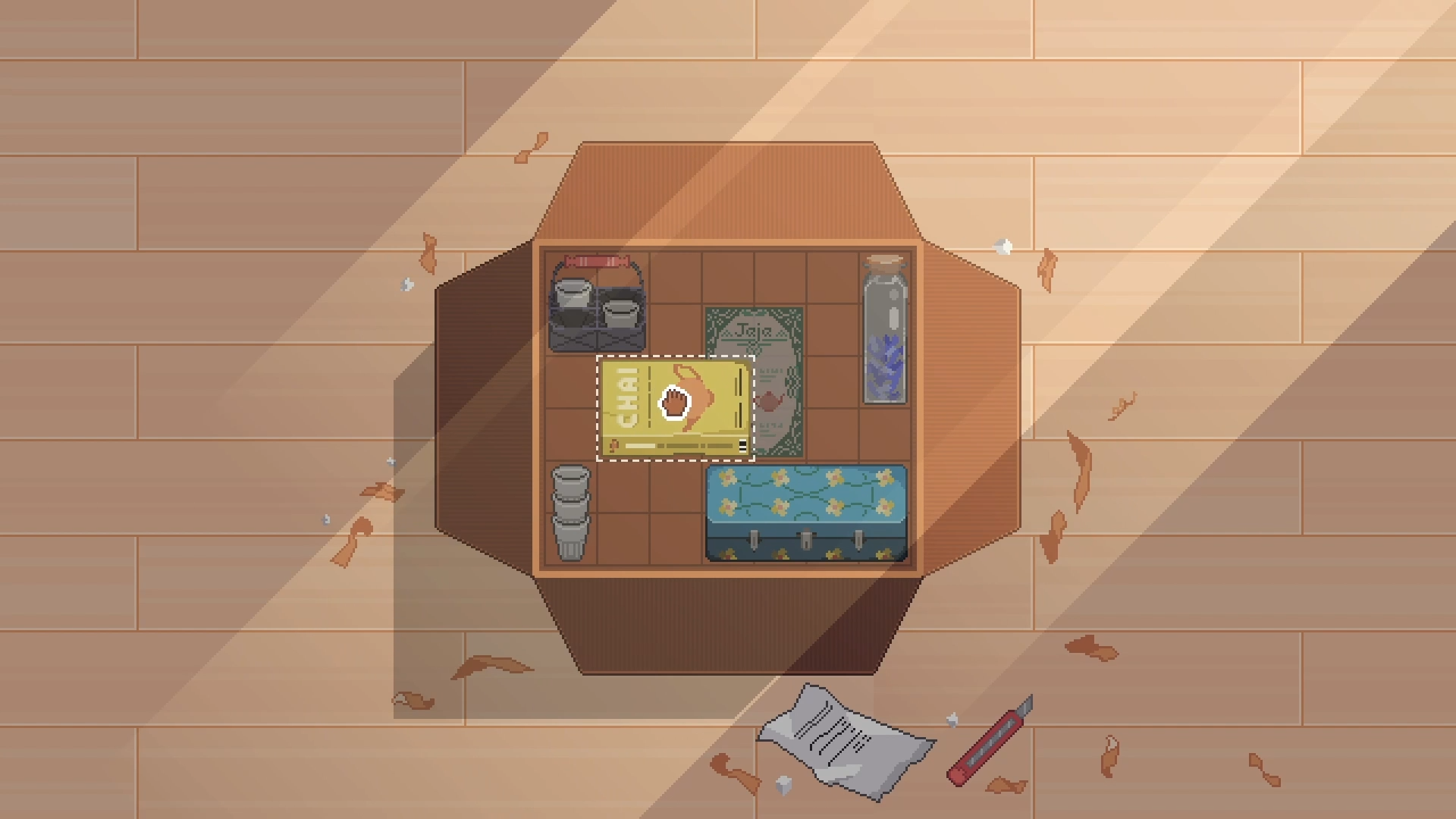
Mechanically, the variety in gameplay also keeps things fresh. The mix of mini-games — from editing videos, doing laundry, and unpacking Jaja’s belongings to managing daily self-care — bridges that balance between narrative and interactivity beautifully. The puzzles are simple but meaningful; each one feels like a conversation with Alo’s thoughts rather than a challenge to beat. By doing the correct tasks, you build up Alo's positive emotions, which are constantly whacked down again by circumstance or memory... It reminds you that progress isn't a straight line... Not in this videogame, and especially not in real life.
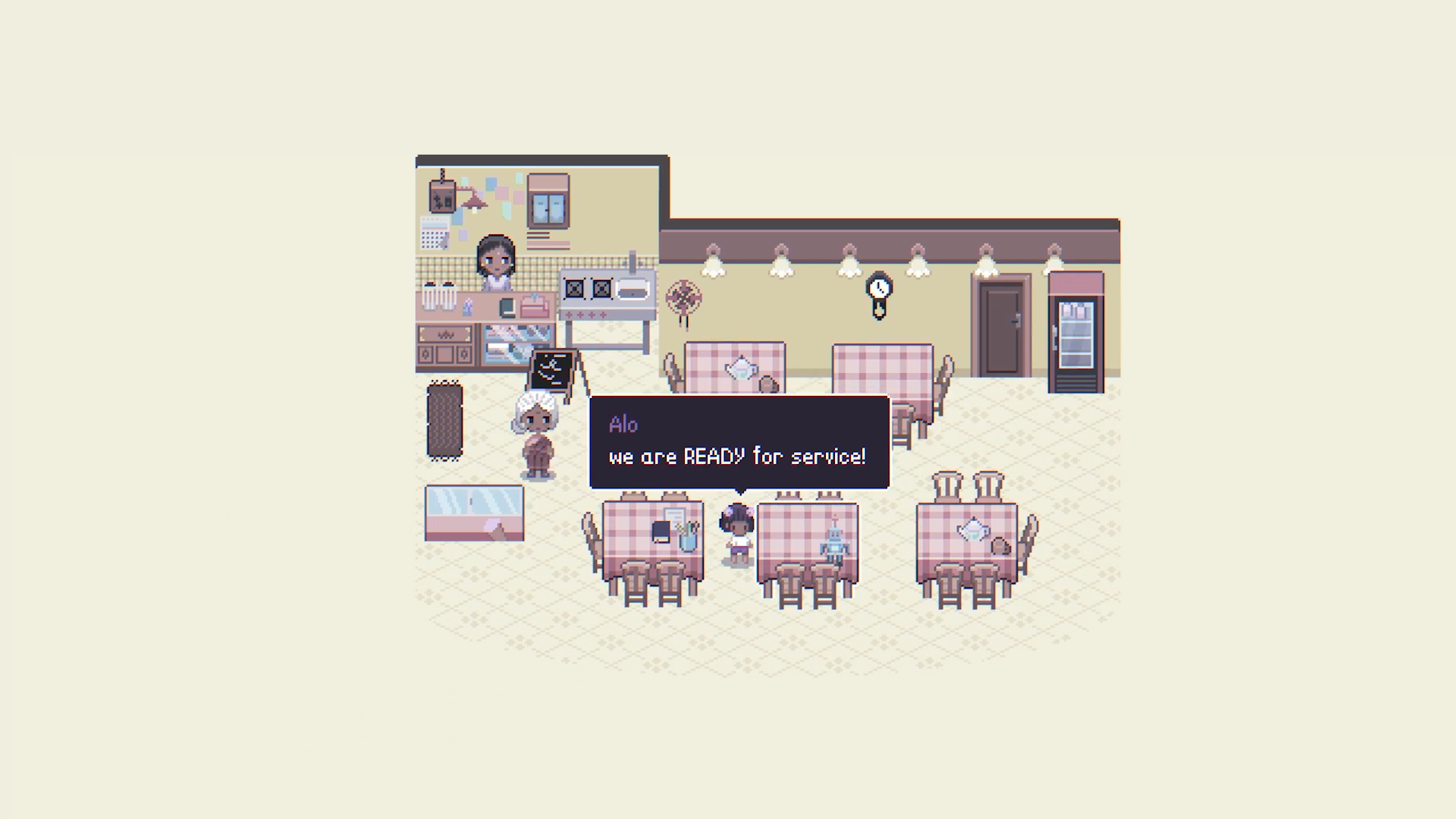
Immersed in Humanity
Something else Fishbowl does incredibly well is building community. The world is filled with rich characters from different cultures, skin tones, and life stories. There’s a softness to how these characters are written... they all feel authentic, complex, and kind in their own ways. The conversations feel genuine, like talking to old friends who understand you without needing to say everything out loud.
There’s comfort in that world — one without clear villains or forced drama, where the only real battle is with ourselves and the way we carry our past. Every interaction feels like a quiet step toward self-acceptance, both for Alo and for players who see parts of themselves in her.
I found myself lingering on small details: the way Alo pauses before replying, the silence between sentences, the gentle reminders to breathe and eat. Those moments blur the line between game and personal reflection.
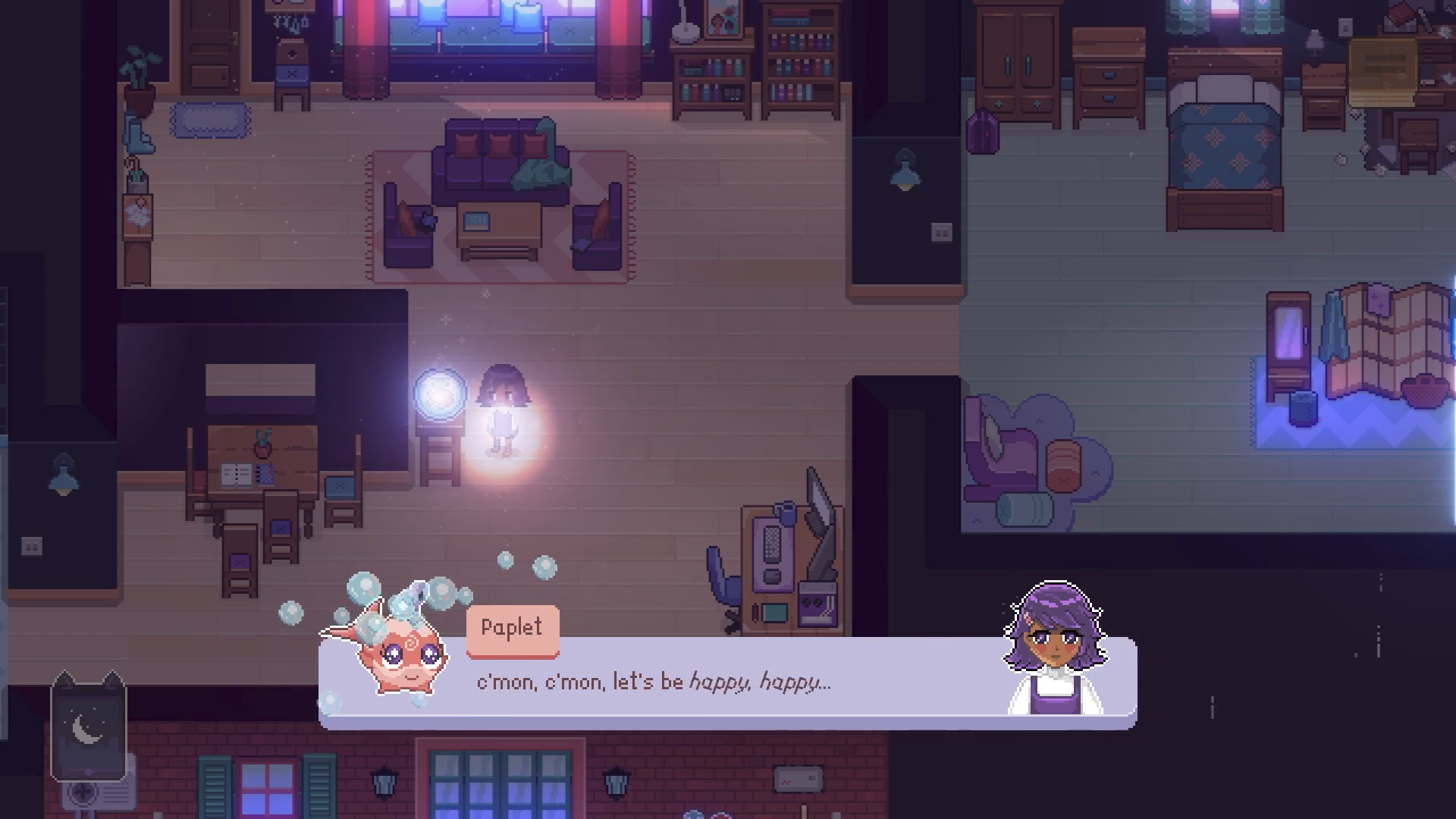
Fishbowl is more than just a cozy game, it’s an emotional experience about what it truly means to be human. It’s about missing people, starting over, learning how to live with pain, and finding comfort in the small rituals that keep us grounded. It’s a story where family, culture, and love intertwine across generations, reminding us that growth often starts in grief.
Beautifully written, artfully designed, and emotionally honest — this game took me apart piece by piece, then handed me back to myself a little more whole than before. It’s introspective, woman-centered, full of life, and completely unafraid to let you feel everything.
If you’ve ever needed a gentle nudge to call your family, forgive yourself, or simply take a deep breath and keep going, Fishbowl might just be that reminder.