GRID Legends: Deluxe Edition Review (Nintendo Switch 2)

A polished, traditional racer that proves smart optimization still matters
Some racing games chase reinvention. Others focus on refinement. GRID Legends: Deluxe Edition on Nintendo Switch 2 proudly falls into the second camp, and that is very much to its benefit.
Originally developed by Codemasters and now carefully brought to Nintendo Switch 2 by Feral Interactive, this release feels like a celebration of everything GRID has always done well. Tight racing, strong presentation, and a flexible approach that lets players decide how serious or casual they want the experience to be.
Smart optimization that respects the player
One of the standout elements of GRID Legends on Switch 2 is how much control it gives the player over performance and visuals. Optimization presets can be set independently for docked and handheld play, which is exactly how modern console ports should be handled.
For both docked and handheld play, you can choose between Graphics and Performance modes. Graphics prioritizes visual fidelity and targets around 30fps, while Performance pushes the frame rate up to 60fps with some visual trade-offs. Handheld players also gain access to Balanced and Battery Saver modes, letting you fine-tune your experience depending on whether you want longer sessions or sharper visuals on the go.
The ability to mix and match these options makes the game feel future-facing while still respecting traditional console design. You are never locked into a single compromise.
Racing that hits the arcade-simulation sweet spot
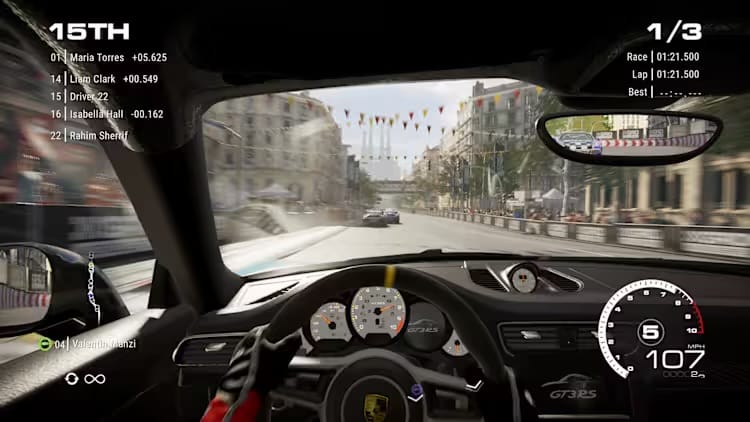
Once the lights go out, GRID Legends reminds you why the series has endured. The driving model strikes a confident balance between arcade accessibility and simulation depth. You can simply jump in and race, sliding through corners and pushing opponents without worrying about micromanaging every input. At the same time, deeper tuning and assists are available for players who want more realism.
Rival mechanics shine during races. If you battle a specific driver aggressively, they can become your rival for that event, adding tension and personality to each race. It is a small touch, but it gives races a sense of narrative without forcing it.
Controls feel excellent across multiple options. Analogue acceleration and braking can be mapped to the right stick, Joy-Con triggers, Pro Controller triggers, or even a GameCube controller. Added directional haptics in the Joy-Cons further enhance feedback, especially during intense cornering and collisions.
A story mode that overstays its welcome
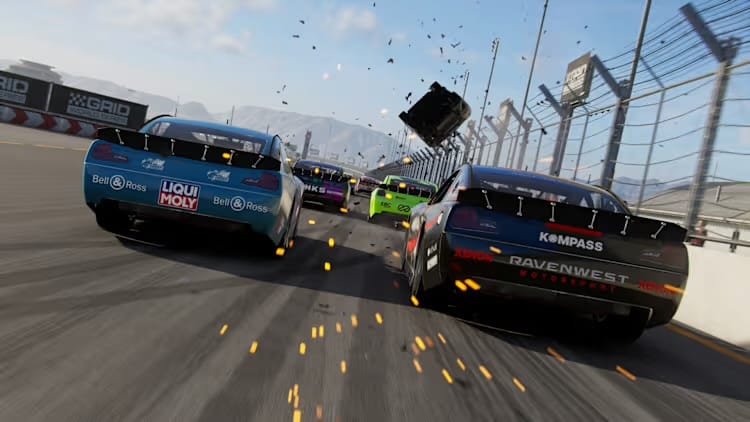
GRID Legends includes a full story mode called Driven to Glory, presented as a documentary-style experience with FMV cutscenes, interviews, and behind-the-scenes footage. On paper, it is an interesting idea, and the acting itself is solid.
In practice, the story mode drags on far too long. There are dozens of chapters, and the audio mix makes dialogue noticeably quieter than the racing itself. Over time, the interruptions begin to feel more like obstacles than enhancements. It reaches a point where skipping later segments feels necessary just to get back on track.
Thankfully, the racing is strong enough to carry the experience regardless, but the story never quite justifies how much space it takes up.
Visuals that hold up impressively
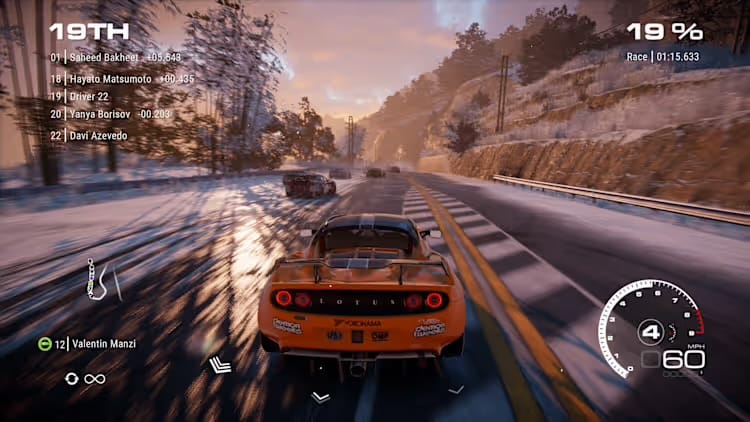
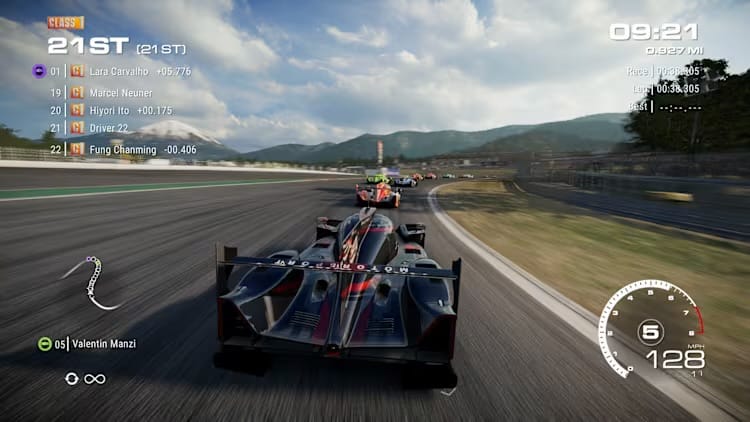
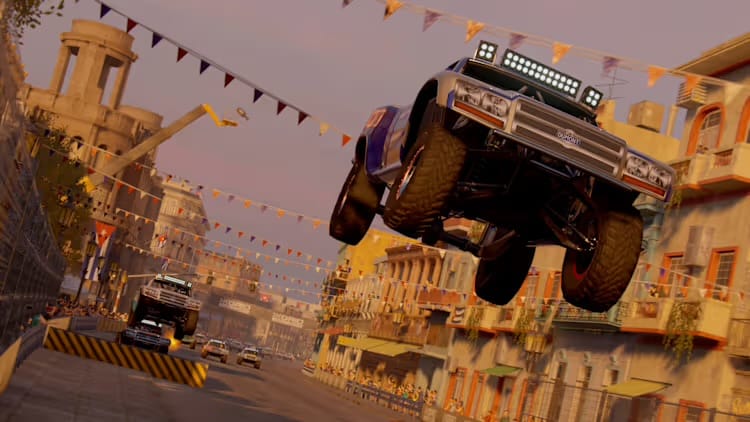
Graphically, GRID Legends looks great on Switch 2. Wet road surfaces stand out in particular, with convincing reflections and water effects that add atmosphere to races. Cars are detailed, environments are clean, and performance remains stable across presets.
The customization options are another highlight. Players can tweak visual effects, enable enhanced settings, or dial everything back for better battery life. It is rare to see this level of flexibility on a console racer, and it makes the port feel carefully considered rather than rushed.
Leaderboards and online features, with limits
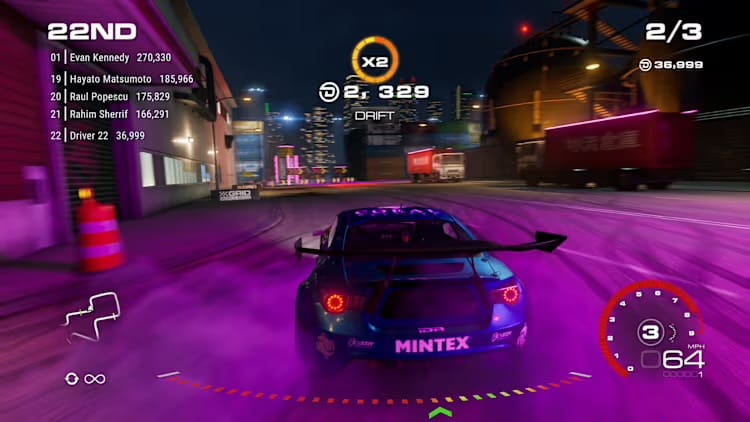
While GRID Legends does not offer online races, it does include online leaderboards for Dynamic Events and Time Trial modes. These leaderboards are shared across Nintendo Switch 2, iOS, and Android players, which keeps competition active.
Posting times requires a Nintendo Switch Online account, but no subscription is needed. Importantly, Dynamic Events can still be played without any Nintendo account at all. It is a sensible, low-friction approach, even if the lack of full online racing will disappoint some players.
Strengths and Weaknesses
GRID Legends: Deluxe Edition shines most when it is doing what it does best: racing. The driving feel is excellent, striking a confident balance between arcade accessibility and simulation depth, making it enjoyable whether you want to casually jump in or fine-tune assists for a more realistic experience. The rival system adds personality to races, turning on-track battles into memorable moments, while the overall presentation remains strong throughout. Visual customization options are surprisingly robust, letting players prioritize performance, visuals, or battery life depending on how and where they play. Directional Joy-Con haptics add subtle immersion, and the shared online leaderboards with Nintendo Switch 2, iOS, and Android players keep time trials and dynamic events competitive and engaging. That said, the experience is not without limitations. The lack of online racing and crossplay is the most noticeable omission and will be disappointing for players looking for head-to-head multiplayer competition.
GRID Legends: Deluxe Edition on Nintendo Switch 2 is a confident, traditional racing game that benefits enormously from thoughtful optimization and strong core mechanics. While the story mode does not land as well as intended and online features feel limited, the racing itself remains excellent.
This is a game that respects its roots while embracing modern flexibility. For players who value driving feel, presentation, and customization over flashy reinvention, GRID Legends delivers a rock-solid experience that still earns its place on the grid.