Life Is Strange: Reunion Review

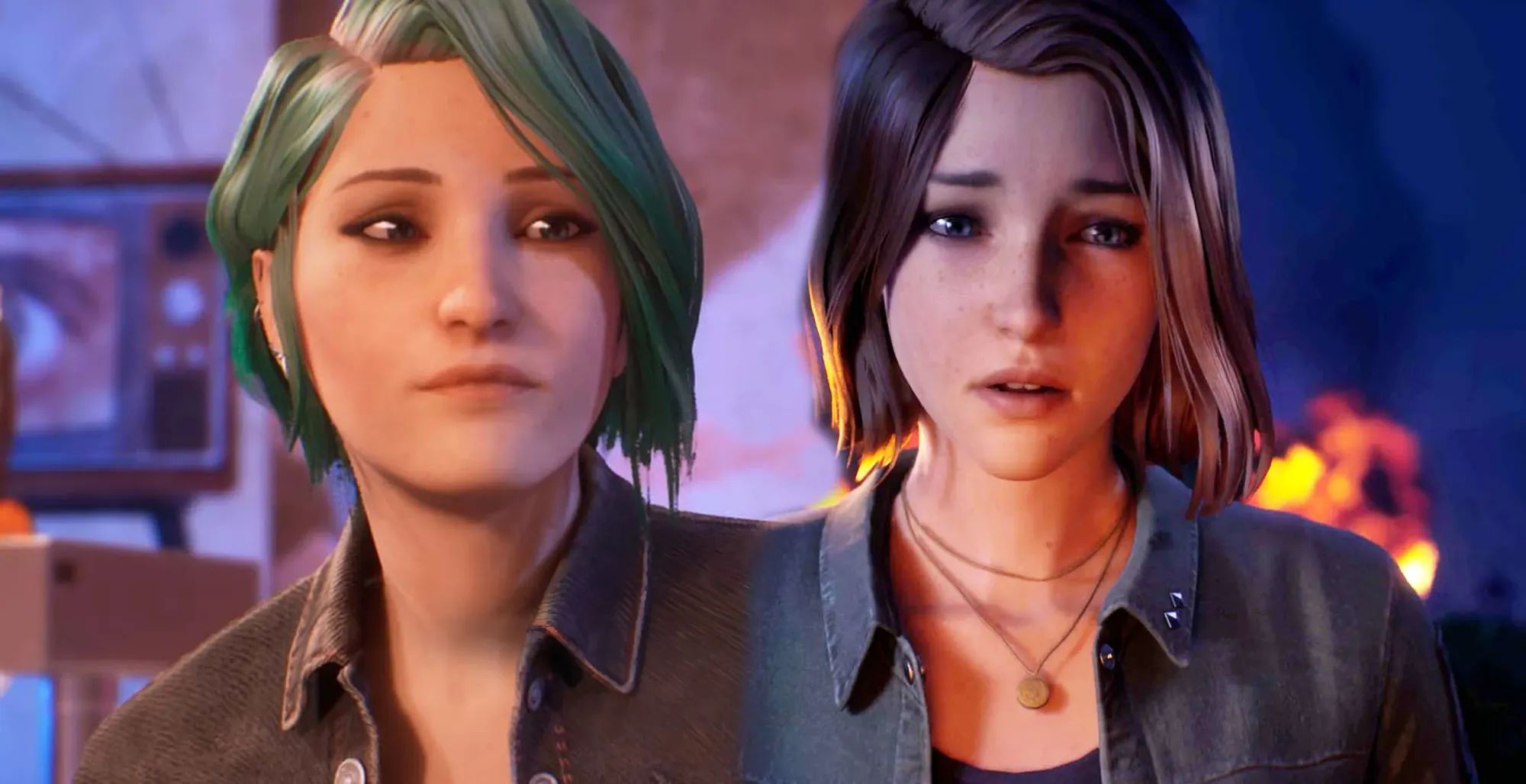
There is something familiar about stepping back into the world of Life Is Strange. It has always been a series built on emotion, atmosphere, and the weight of choice. Life Is Strange: Reunion leans heavily into that legacy, bringing back two of its most beloved characters, Max Caulfield and Chloe Price, and placing them in a new chapter at Caledon University.
On paper, this is exactly what longtime fans have been asking for. In practice, it is a more uneven experience than expected.
A return built on nostalgia
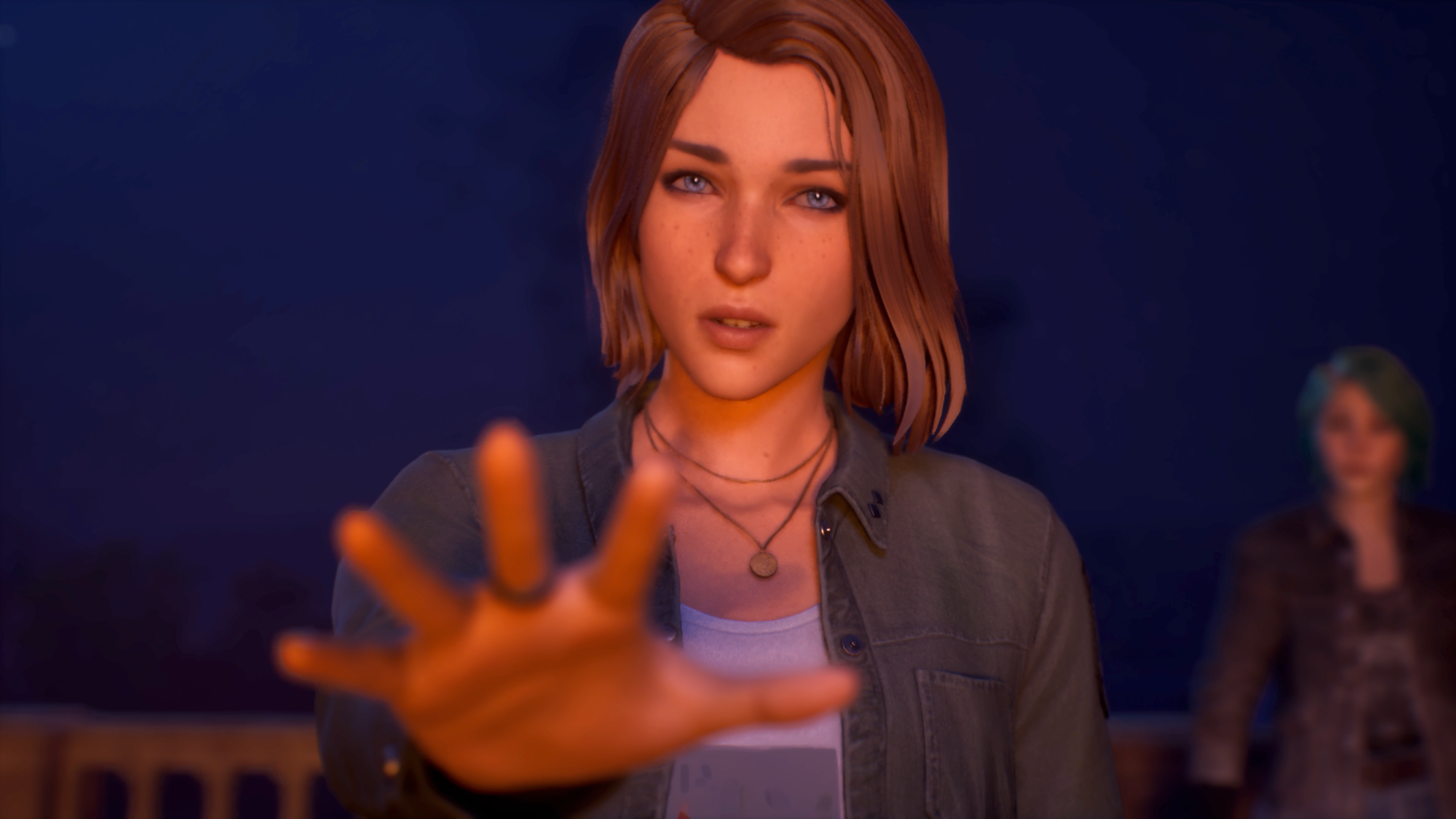
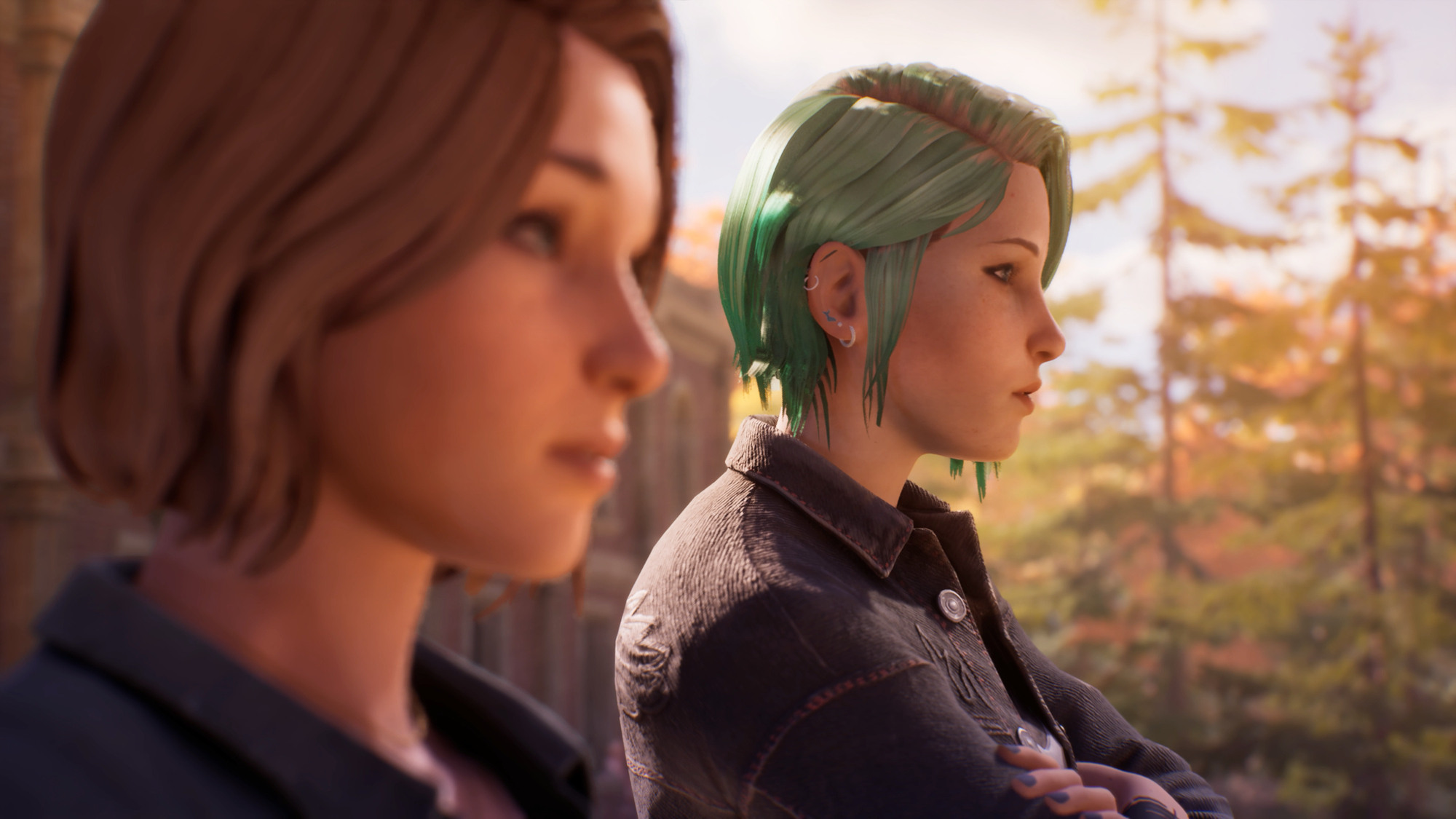
The biggest draw here is obvious. Seeing Max and Chloe together again carries a natural emotional weight that few series can replicate. Their dynamic still works, and there are moments throughout the game where their conversations feel genuine, warm, and grounded in the history players remember.
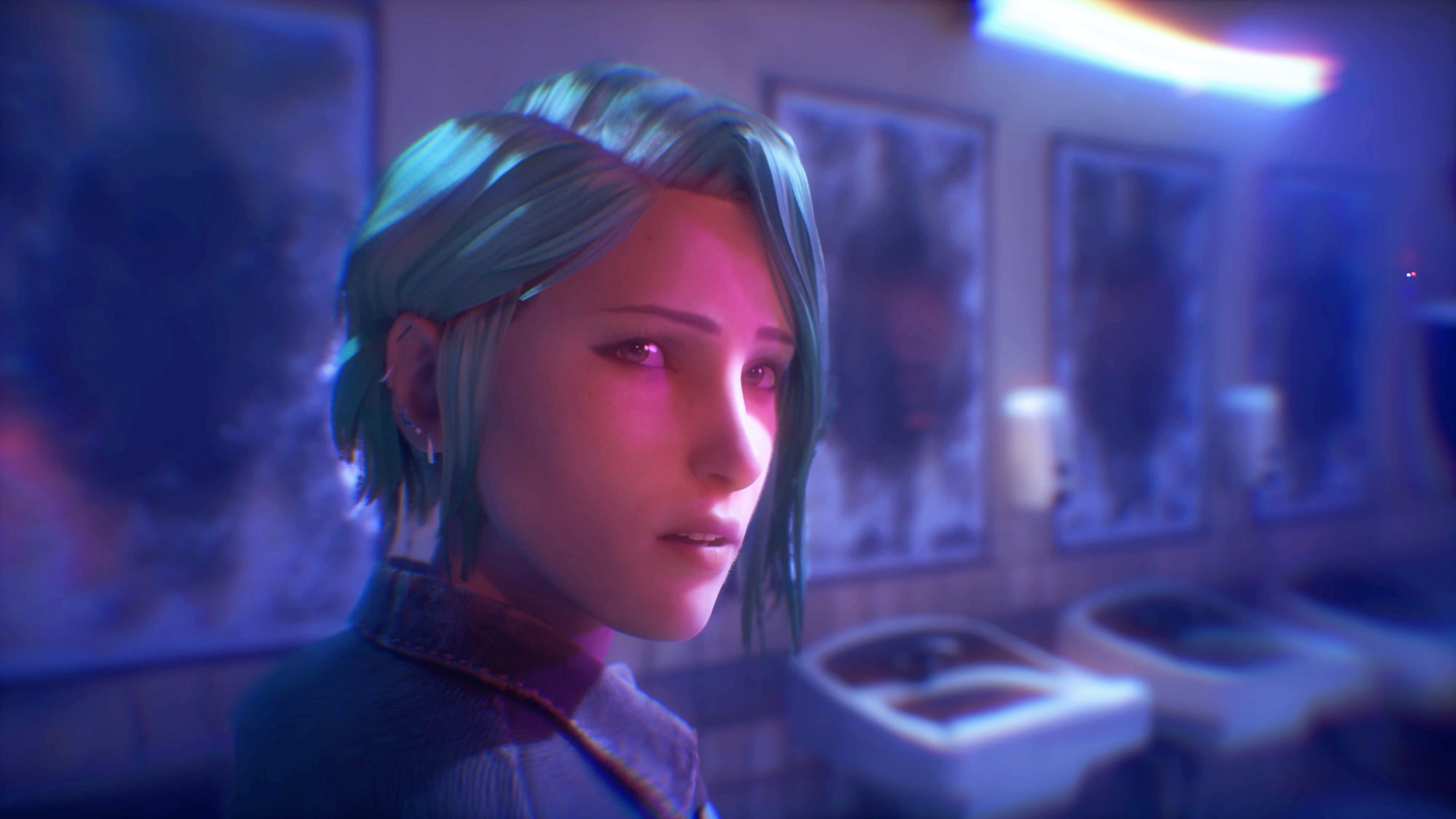
Visually, the game holds up well. Environments are detailed, character models are expressive, and the overall presentation fits neatly within the identity the series has built over the years. The soundtrack once again plays a crucial role, perfectly matching the tone of each scene and reinforcing the emotional beats in a way Life Is Strange has always excelled at.
Voice acting across the board is another highlight. Performances feel natural and help carry scenes even when the writing itself begins to falter.
A Story That Loses its Footing
Where Reunion begins to struggle is in its storytelling. There are moments of genuine strength, scenes that capture the emotional core the series is known for, but they are often surrounded by uneven pacing and messy narrative decisions.
The story leans heavily on retcons, attempting to reshape or reinterpret past events in ways that do not always land. Instead of strengthening the narrative, these choices can make the overall experience feel inconsistent, as if the game is trying to force certain directions rather than letting them develop naturally.
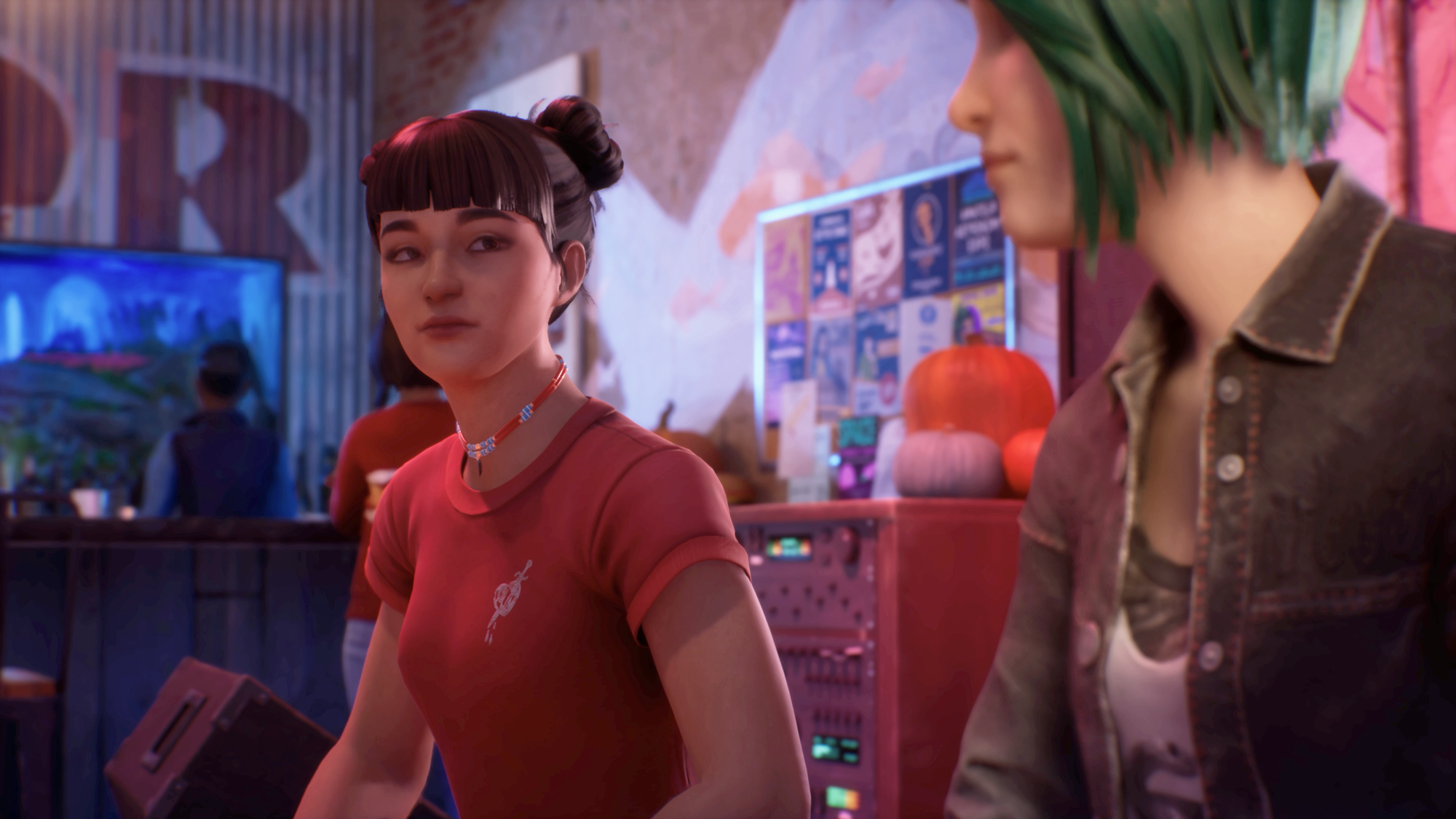
Character development also suffers. While some characters show promise early on, their arcs do not always evolve in meaningful or satisfying ways. This creates a disconnect where emotional moments are present, but not always earned.
Choices That Feel Less Meaningful
A defining pillar of the Life Is Strange series has always been player choice. In Reunion, that foundation feels weaker.
There are multiple moments where decisions lead to outcomes that do not fully align with the intent behind them. At times, it feels as though the game is guiding players toward a specific narrative path, regardless of the choices made. This can create the impression that certain decisions are “wrong,” not because of moral weight, but because they do not fit the direction the story wants to take.
When choices feel disconnected from their outcomes, the sense of agency begins to fade, and that is where Reunion loses some of its identity.
Familiar Faces, Limited Evolution
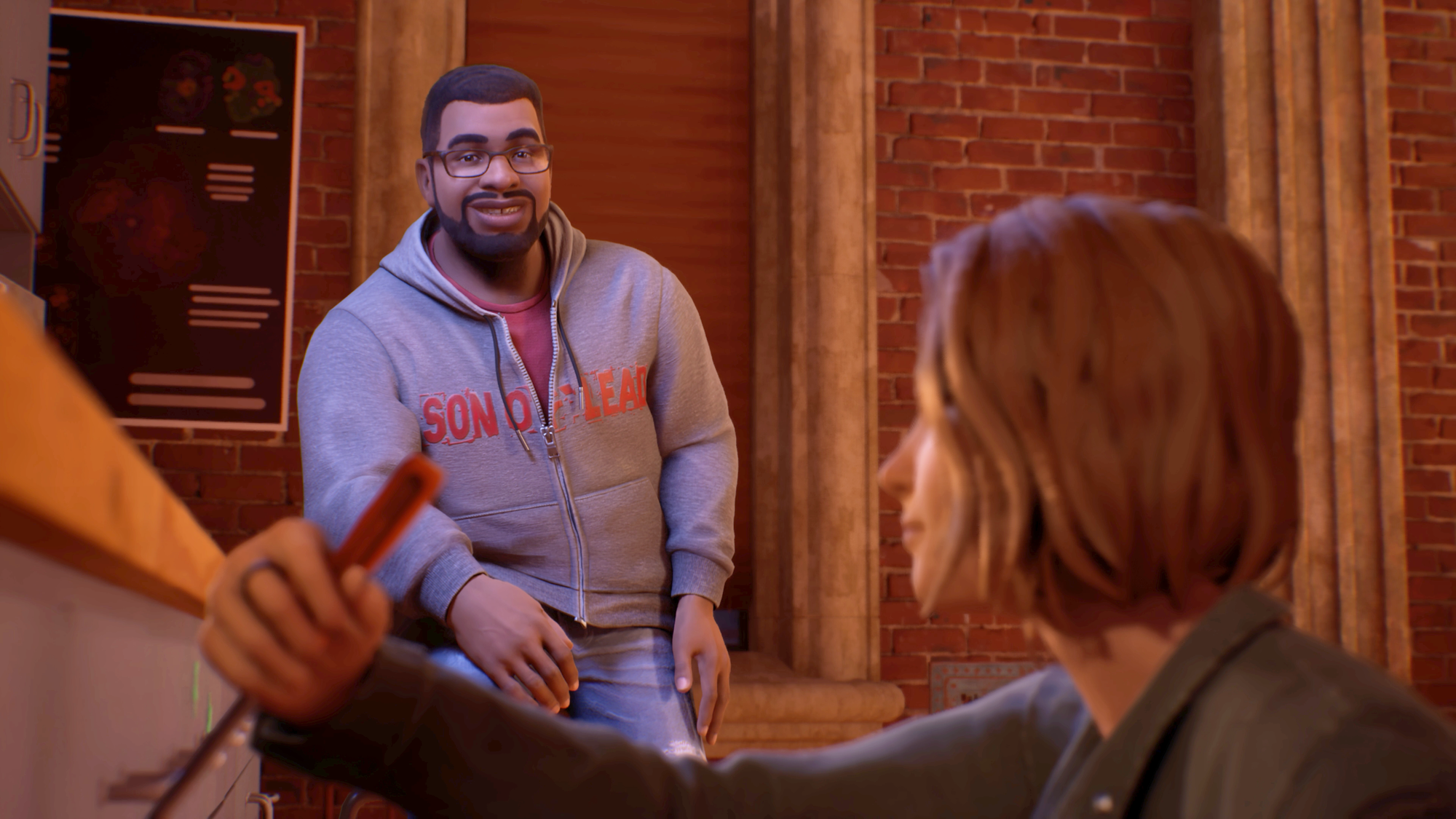
Despite its issues, Reunion is not without its charm. Seeing Max and Chloe together again remains a genuine highlight, and their interactions carry much of the experience. New additions, including characters like Moses, add moments of personality and levity that help balance the tone.
However, the game struggles to evolve beyond its nostalgia. The return of Chloe, while welcome, does not significantly push the series forward. Instead, it often feels like the game is looking backward rather than building something new.
Strengths
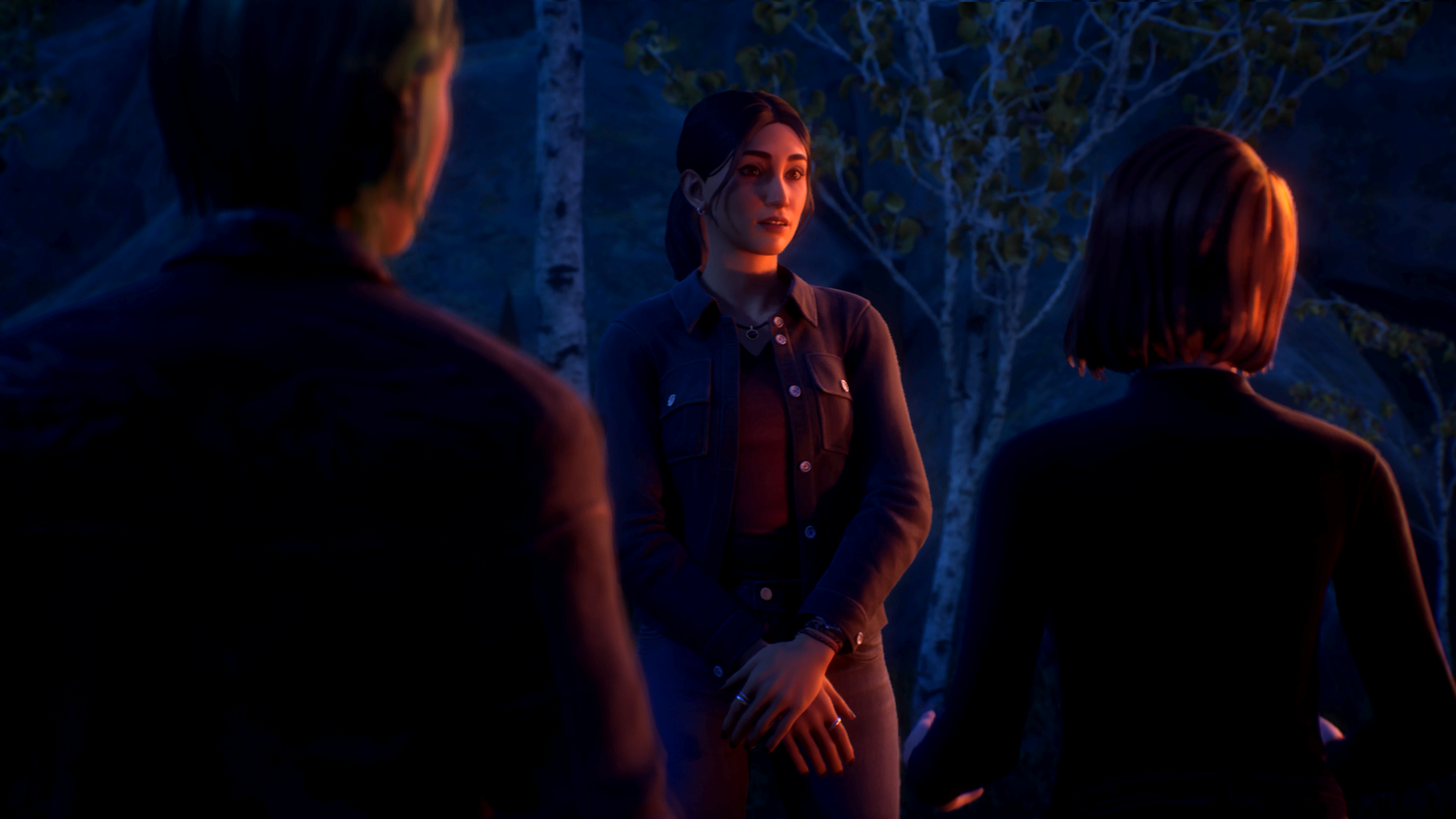
Life Is Strange: Reunion delivers a strong presentation with detailed visuals, excellent voice acting, and a soundtrack that perfectly complements its emotional tone. The return of Chloe alongside Max provides genuine moments of connection that longtime fans will appreciate, capturing the heart of what made their relationship so memorable in the first place. When the game slows down and focuses on character interactions, it shines, offering grounded, emotional scenes that feel authentic to the series’ identity.
Weaknesses
The experience is ultimately held back by uneven writing and a narrative that becomes increasingly messy as it leans too heavily on retcons, often undermining its own story. Player choice, a defining pillar of the series, feels less impactful here, with some outcomes not aligning with the decisions made and at times giving the impression that certain paths are incorrect simply because they do not match the intended direction. Character development is also inconsistent, with some arcs failing to fully evolve, leaving parts of the story feeling underdeveloped despite the strong emotional foundation.
Final Verdict
Life Is Strange: Reunion succeeds in rekindling the emotional connection fans have with Max and Chloe, delivering moments that feel authentic and grounded. Unfortunately, it struggles to build on that foundation in a meaningful way.
The presentation is strong, the performances are memorable, and the atmosphere remains intact, but the inconsistent writing and weakened sense of player choice prevent it from reaching the heights the series is known for.
For longtime fans, there is still value in returning to this world. Just do not expect it to redefine it.