Mafia: The Old Country Review

The Mafia franchise has always been about one thing above all else: the cost of loyalty. From the streets of Lost Heaven to the neon lights of Empire Bay, each entry has explored the moral decay that lies beneath organized crime. Now, with Mafia: The Old Country, Hangar 13 takes players back to where it all began — the birthplace of the Cosa Nostra itself. Set in 1900s Sicily, this prequel trades Tommy guns and Prohibition for stilettos, luparas, and oaths of blood.
The result is a visually stunning, narratively rich addition to the series. It delivers the franchise's cinematic storytelling and authenticity, while immersing players in a more primal, brutal form of organized crime. But while the setting and story shine, the gameplay rarely surprises, often relying on familiar rather than revolutionary mechanics.
A Story of Honourlabour and Survival
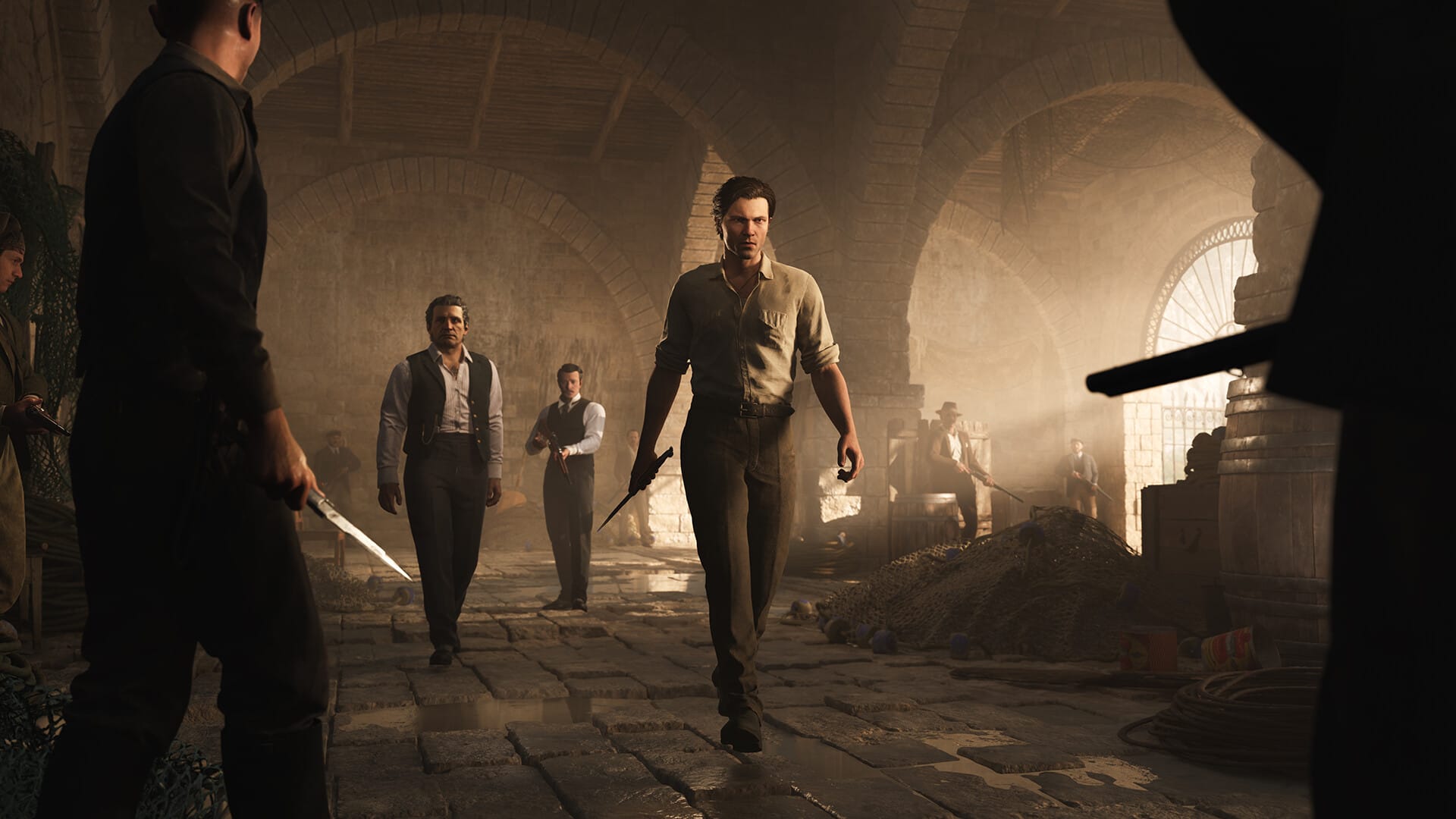
At its heart, Mafia: The Old Country tells the story of Enzo Favara, a young man desperate to escape poverty and oppression. After enduring years of forced labour and cruelty, Enzo seeks power, respect, and belonging — all of which he hopes to find in the Torrisi crime family. What follows is a journey of ambition, betrayal, and sacrifice as he rises through the ranks of Sicily’s criminal underworld.
The game’s tagline, “Family Takes Sacrifice,” is more than a slogan. It defines the emotional core of the experience. Enzo’s story is steeped in tragedy, from the friends he loses to the innocence he slowly burns away. Like the best entries in the series, The Old Country doesn’t glorify its violence — it examines it.
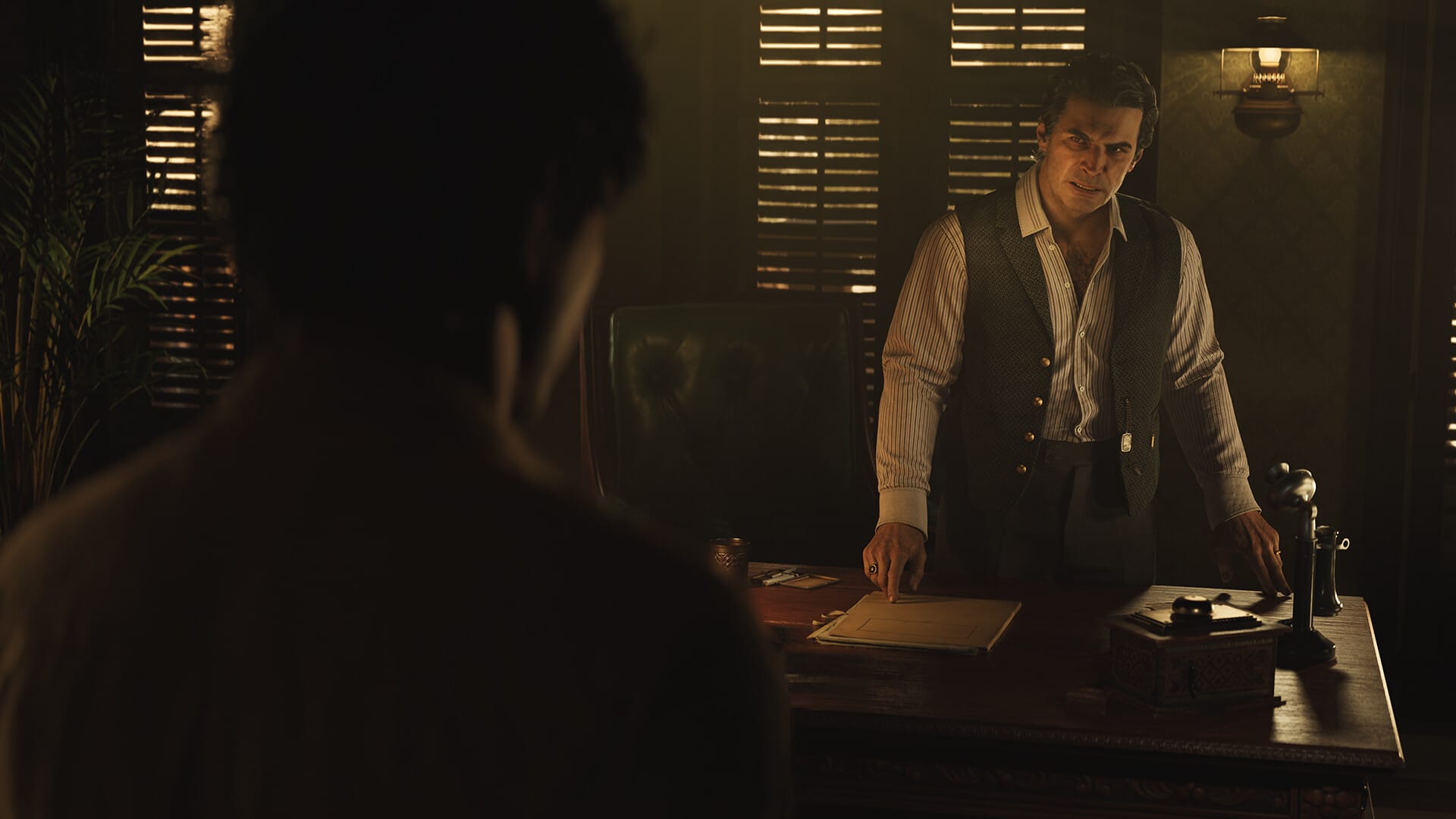
Each mission unfolds like a scene from a classic gangster film, complete with cinematic framing, dramatic dialogue, and the haunting moral weight that defines Mafia storytelling. The cutscenes are beautifully directed, enhanced by powerful performances that bring the era to life. Every conversation feels loaded with subtext — a promise, a threat, or an omen of betrayal.
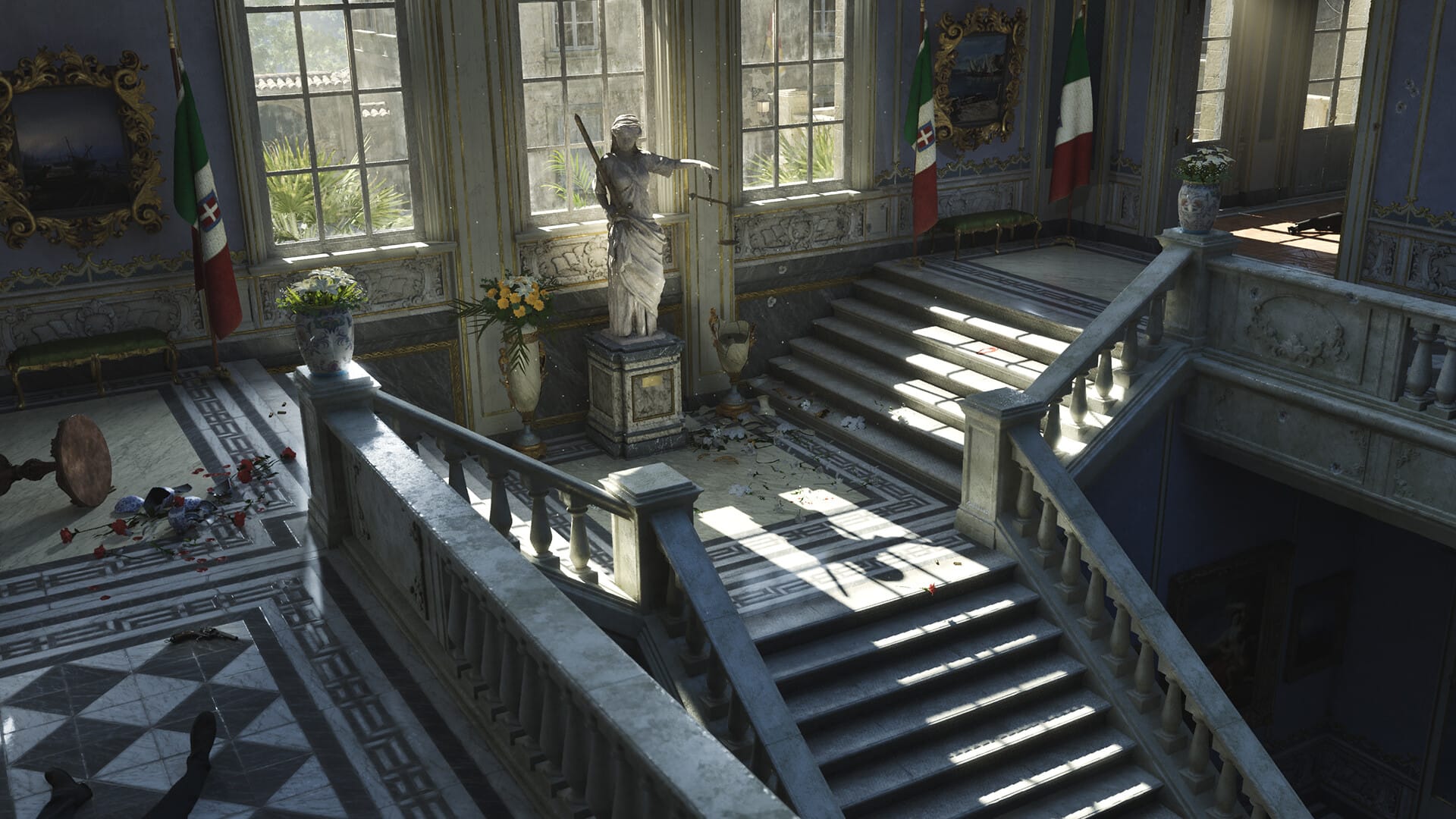
The setting of early 20th-century Sicily is both breathtaking and terrifying. From sun-scorched vineyards to crumbling crypts and cobblestone villages, the world feels alive and authentic. It’s a place where honour is currency and death is a business expense. The attention to historical detail — from dialects to architecture to weaponry — is extraordinary.
Sicily in Motion
If there’s one area where Mafia: The Old Country truly excels, it’s in its presentation. This is easily one of the best-looking games in the series to date. Hangar 13’s use of modern lighting and texture technology brings the rugged Sicilian countryside and decaying cities to life in breathtaking fashion.
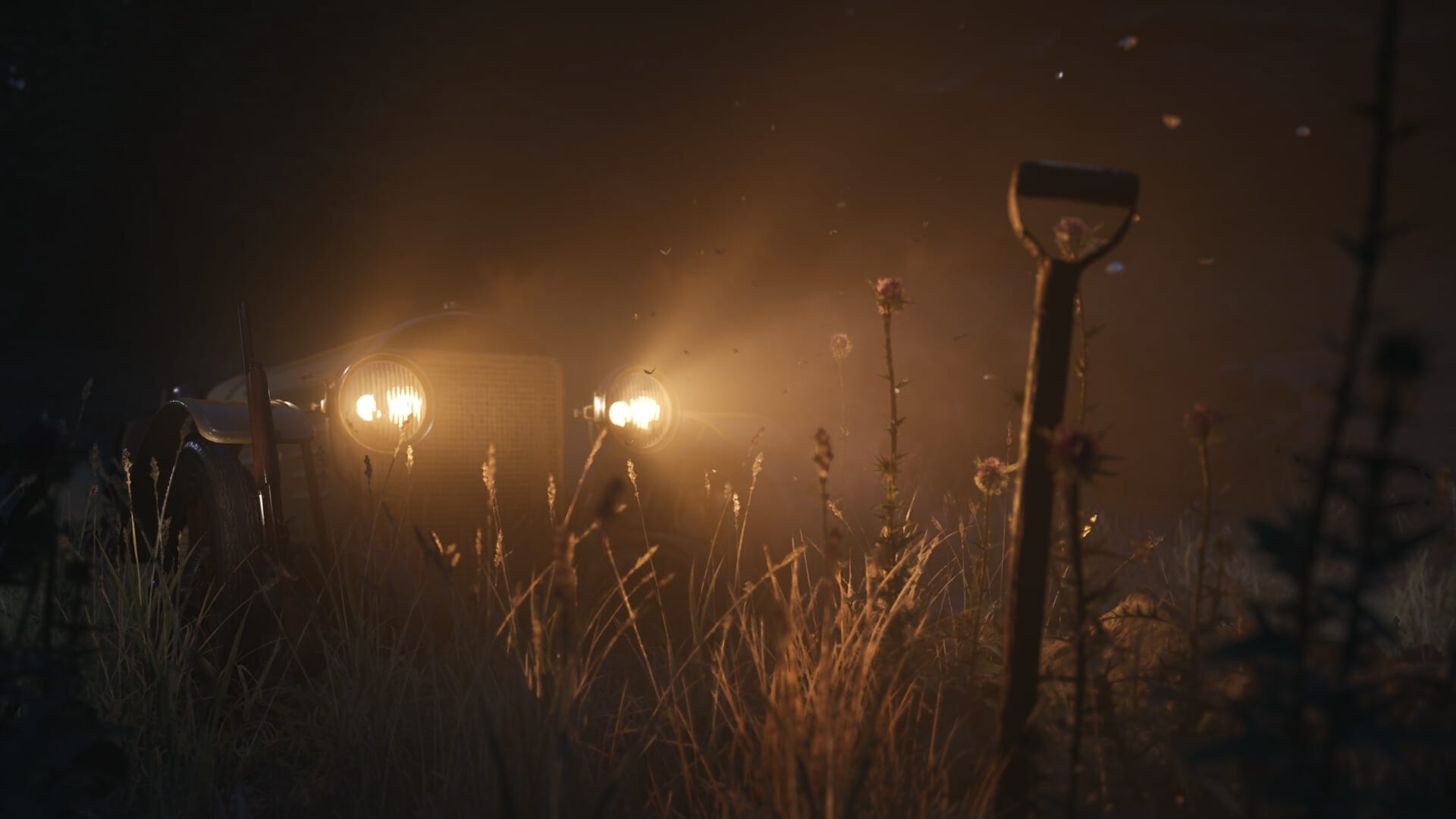
The world feels grounded and tangible. Horses kick up dirt as they gallop across fields, while early motorcars sputter and slide along uneven stone roads. Every detail — from the embroidered suits of mafiosi to the smoke curling out of village chimneys — helps sell the illusion of a living, breathing time period.
The soundtrack, filled with haunting strings and Italian folk motifs, further immerses players in the tone of the era. It’s a blend of melancholy and menace that perfectly underscores Enzo’s journey from peasant to outlaw.
Performance-wise, the game runs beautifully. Frame rates are stable across both console and PC, and the world loads seamlessly as you transition between city streets and rural landscapes. Hangar 13 has built a technically impressive foundation that complements its cinematic ambitions.
Gameplay: Familiar but Functional
When it comes to gameplay, Mafia: The Old Country feels both solid and predictable. The core mechanics — shooting, driving, and stealth — work exactly as you’d expect, but rarely evolve beyond their established formulas. The third-person combat system is smooth and responsive, yet lacks variety after extended play.
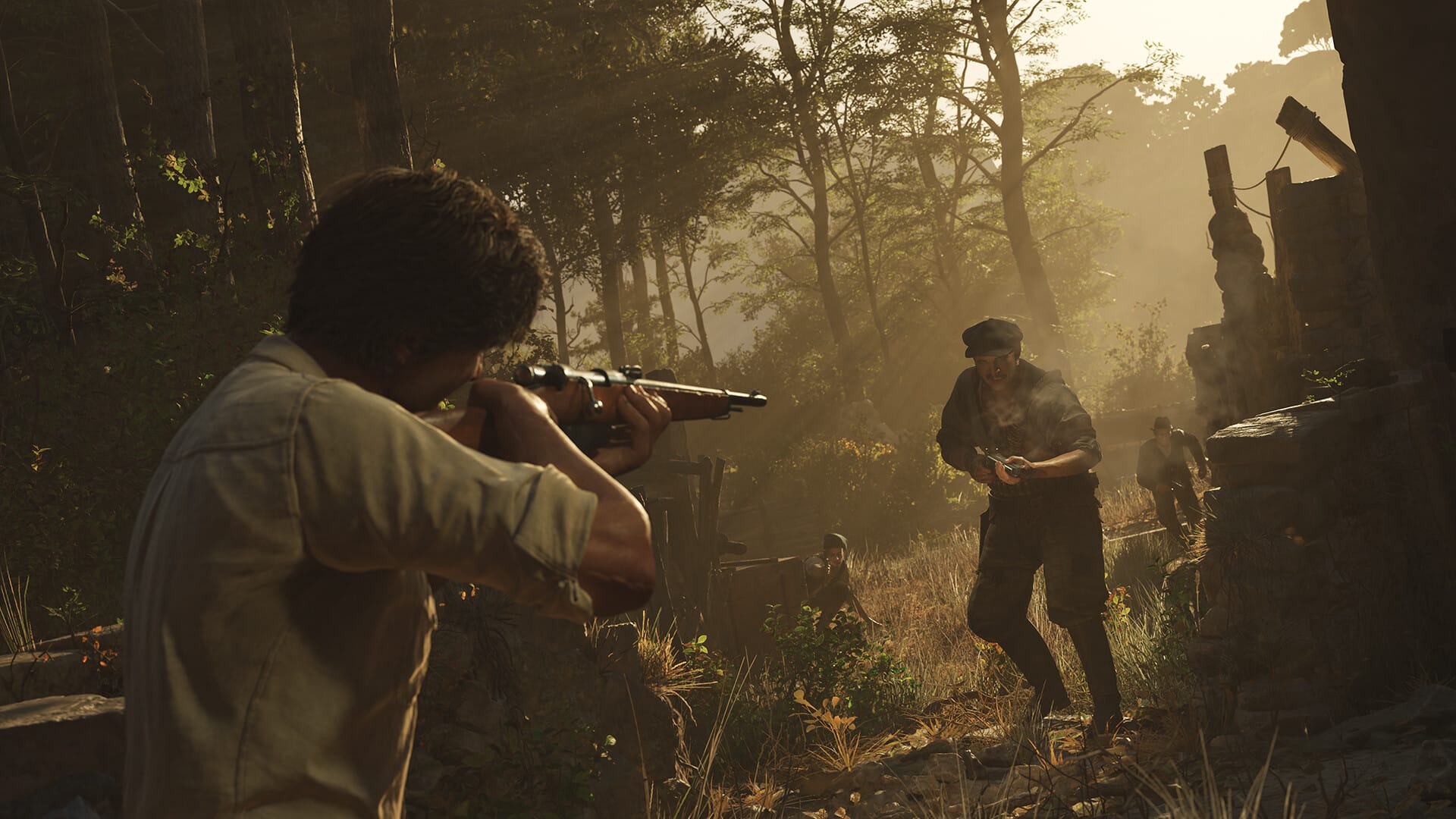
Combat unfolds in two main styles: close-quarters knife duels and ranged gunfights using period-authentic firearms like revolvers, bolt-action rifles, and sawed-off shotguns. Each weapon feels appropriately weighty and powerful, but after a dozen missions, the encounters begin to blend. The lack of combat evolution is noticeable, particularly in the later sections of the game, where the pacing slows and tension wanes.
That said, the missions themselves are well-designed. They balance cinematic storytelling with player agency, offering stealthy infiltrations, ambushes, and horseback chases that capture the dangerous allure of the Mafia’s early days. The mix of exploration, dialogue, and violence gives each mission a sense of narrative rhythm, even when the mechanics themselves stay familiar.
Driving, whether on horseback or in the game’s antique vehicles, feels weighty and realistic. Navigating narrow village roads and mountain passes adds tension to every getaway. While not revolutionary, the controls feel responsive, and the environmental variety keeps traversal engaging.
Where the Game Falters
The biggest issue with Mafia: The Old Country is its lack of surprise. It executes every familiar Mafia formula with precision, but it rarely takes creative risks. The story follows expected beats, the mission structure is predictable, and the gameplay never quite rises above competence.
By the final chapters, the pacing begins to falter. What starts as a gripping rise to power loses some of its intensity as missions become repetitive. The ending, while thematically fitting, drags a bit too long and loses the momentum built in earlier acts.
Still, even at its weakest, The Old Country remains a beautifully told story. The writing, performances, and atmosphere carry it across the finish line.
Final Verdict
Mafia: The Old Country is a stunning and emotionally charged return to one of gaming’s most enduring crime sagas. It captures the soul of the series — its tragedy, its beauty, its violence — while immersing players in a meticulously crafted vision of 1900s Sicily.
The story of Enzo Favara is as compelling as it is brutal, brought to life through remarkable visuals, strong voice acting, and authentic world-building. While the gameplay doesn’t break new ground and the combat can become repetitive, the experience as a whole stands as a powerful addition to the Mafia legacy.
For fans of the franchise, this is an essential chapter — a look back at the origins of organized crime and the moral corruption that built an empire.
Mafia: The Old Country delivers a gripping origin story steeped in atmosphere, authenticity, and emotional storytelling. Its visuals and mission design shine, even if its combat and pacing feel too familiar by the end. It may not redefine the series, but it honours its legacy with style and conviction.
Reviewed on PC