Preview: Far Far West Early Access

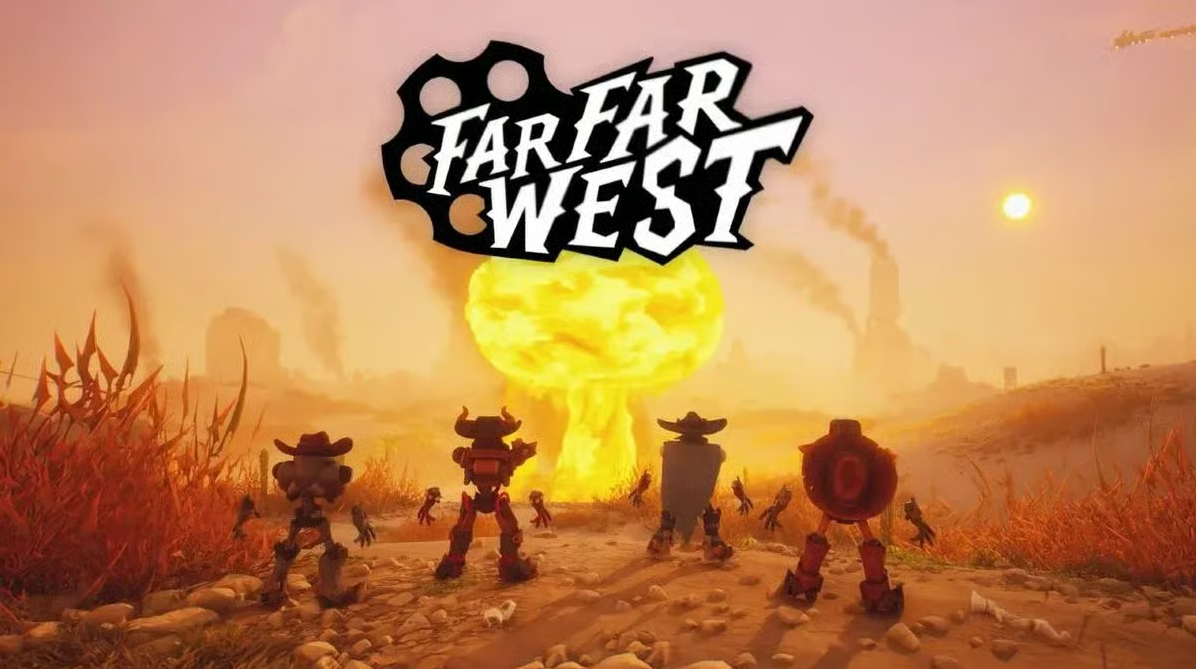
Far Far West's Early Access showed up like Evil Raptor developers had something to prove, and honestly? I think they did it. My husband had randomly come across it on Steam, so we fell into it for the whole weekend, and by the time I looked up, I had been happily spiraling through cowboy chaos for hours on end.

What makes Far Far West click is how cleanly it understands the rhythm of a good mission-based shooter. You drop into a map, push through objective-based encounters, clear side tasks if you have the energy, and work your way toward the big payoff without the game ever feeling like it is wasting your time. The lack of a hard timer gives each run a nice sense of freedom as well, since you can explore, detour, and poke around before deciding when to commit to the endgame push.
The core combat feels pretty snappy, which matters in a game that regularly throws a lot at you at once. Gunplay (even for the casual players) is satisfying, movement keeps things lively, and the perk-and-build structure gives each run enough personality that it never feels like a straight copy of the last one. It has that “one more mission” energy that the best co-op games do so well.
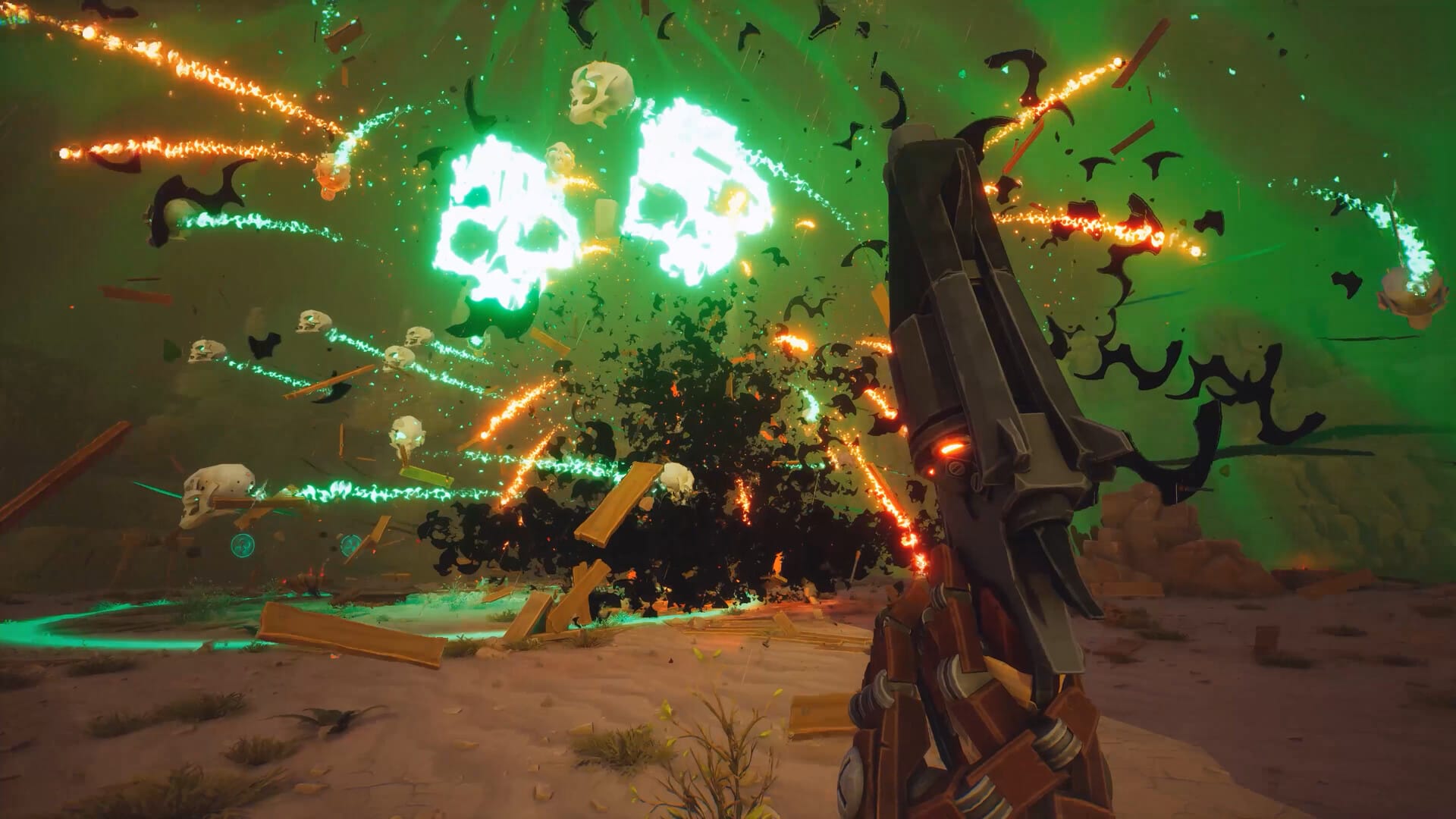
The map design is one of the reasons the game feels so easy to obsess over. Different areas change the pace and the pressure in ways that keep the loop from getting stale, and the side objectives help each mission feel less like a hallway sprint and more like a messy little expedition. There is enough going on in each space that you are rarely just beelining from point A to point B until you're mid-mission.
I also liked how the town and saloon hub make the whole thing feel like more than just a mission menu. It gives the game a place to breathe between runs, and that extra bit of personality goes a long way. The result is a structure that feels larger than the immediate firefight, which is important when you want early access to feel like a real world instead of a collection of disconnected levels.
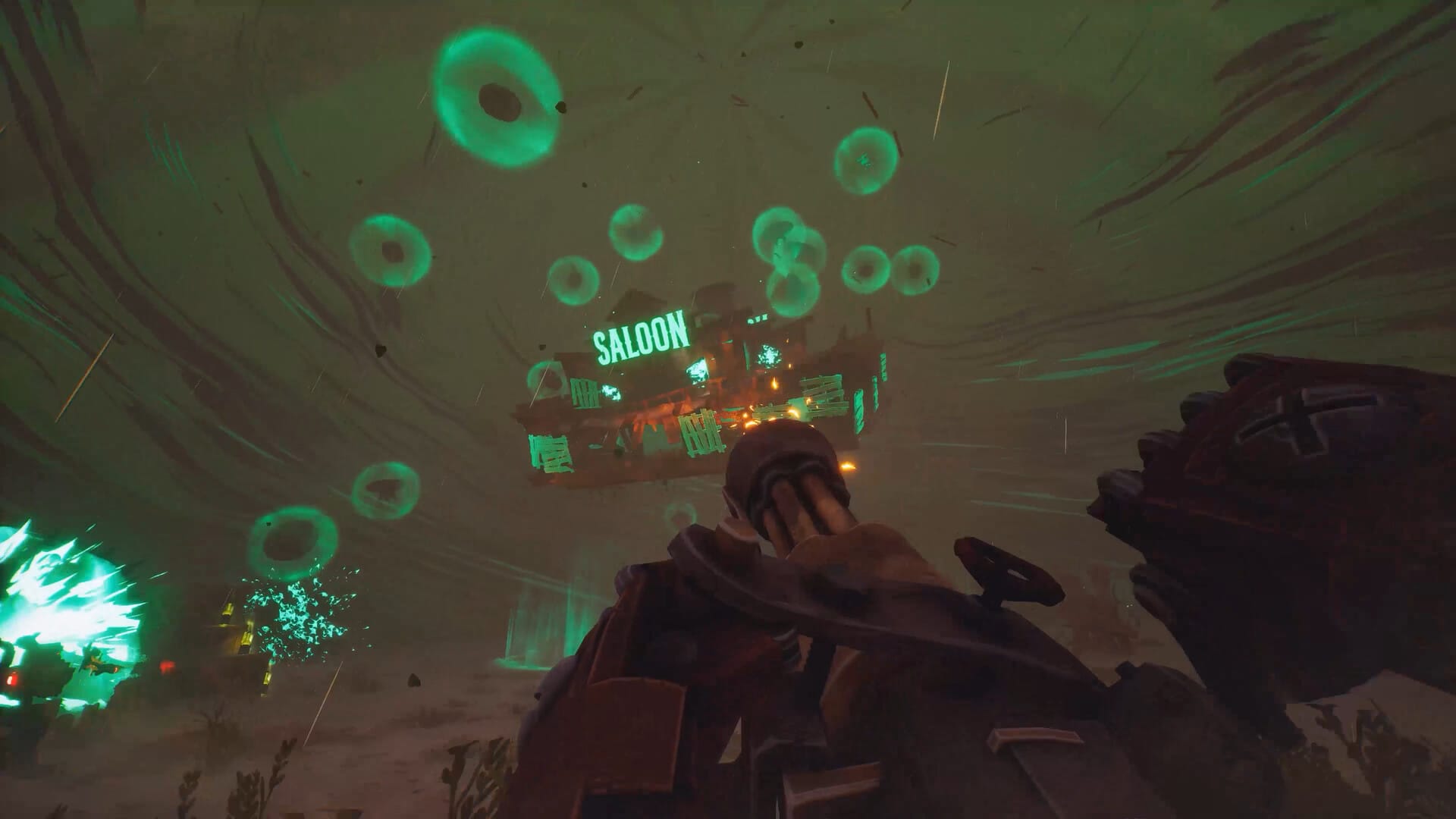
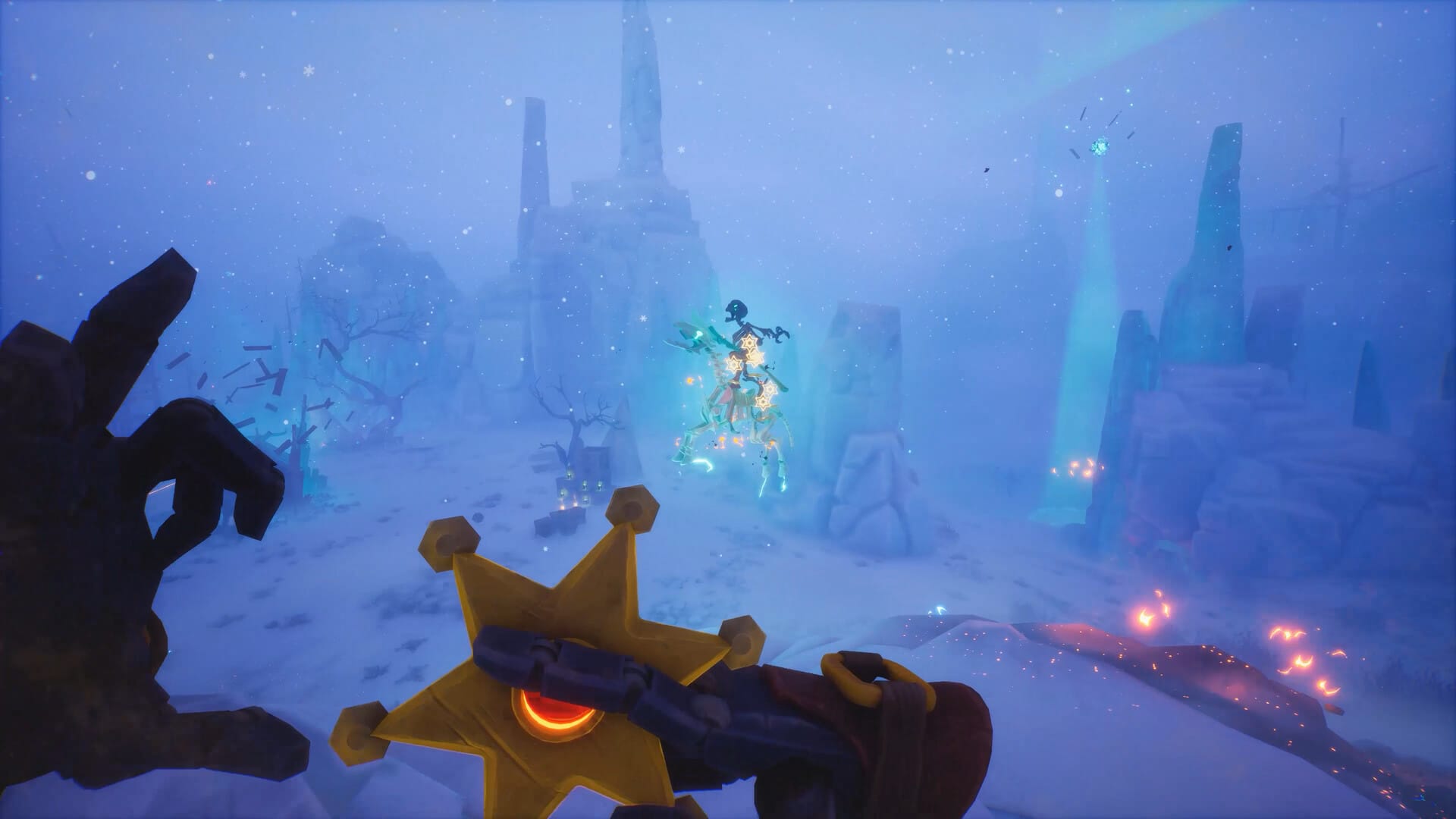
The enemy design is where the game starts leaning into its weirder strengths. You’re not just fighting generic fodder; you’re dealing with enemies that change how you move through a fight and how carefully you pay attention to the space around you. Some threats are fast and annoying in the way that makes you instantly alert, while others are less about raw damage and more about forcing you to react to chaos in a hurry.
With the option to change from easy to harder difficulties, it also brings ways for additional "fresh" feeling of the core gameplay loop. Even when you understand the basic structure, the enemy pressure keeps changing just enough to stay interesting. There is also a nice sense that the game wants you to read encounters rather than brute-force them, which makes teamwork more useful without making it feel mandatory every single second.
Why it sticks
The strongest thing Far Far West has going for it is that all of these pieces support each other. The maps give the missions texture, the enemies keep the action messy, and the mechanics give you enough flexibility to build a character/weapons and a strategy that feels like yours. It is not trying to reinvent the genre... It is trying to make the genre feel fun again, and with an art style and audio structure that backs it up, that is a much smarter goal than people give it credit for.
The game already feels polished enough to make a strong first impression, and Early Access only launched on April 28th. The pacing is solid, the co-op chaos is genuinely entertaining, and the whole thing has enough charm that you forgive it for not being fully finished yet. It has a very specific kind of confidence, and that confidence is a huge part of why it works.
Far Far West is rowdy, smartly built, and already extremely good at turning a normal gaming session into a weekend-long fixation. The mechanics are satisfying, the maps have enough variation to keep things lively, and the enemies do a good job of making every run feel a little unpredictable. It is still growing, but the foundation is already strong enough that I’d call it one of the more promising co-op games I’ve played lately.