Rayman Legends Retold Preview: Big Personality, Bigger Platforming Challenges

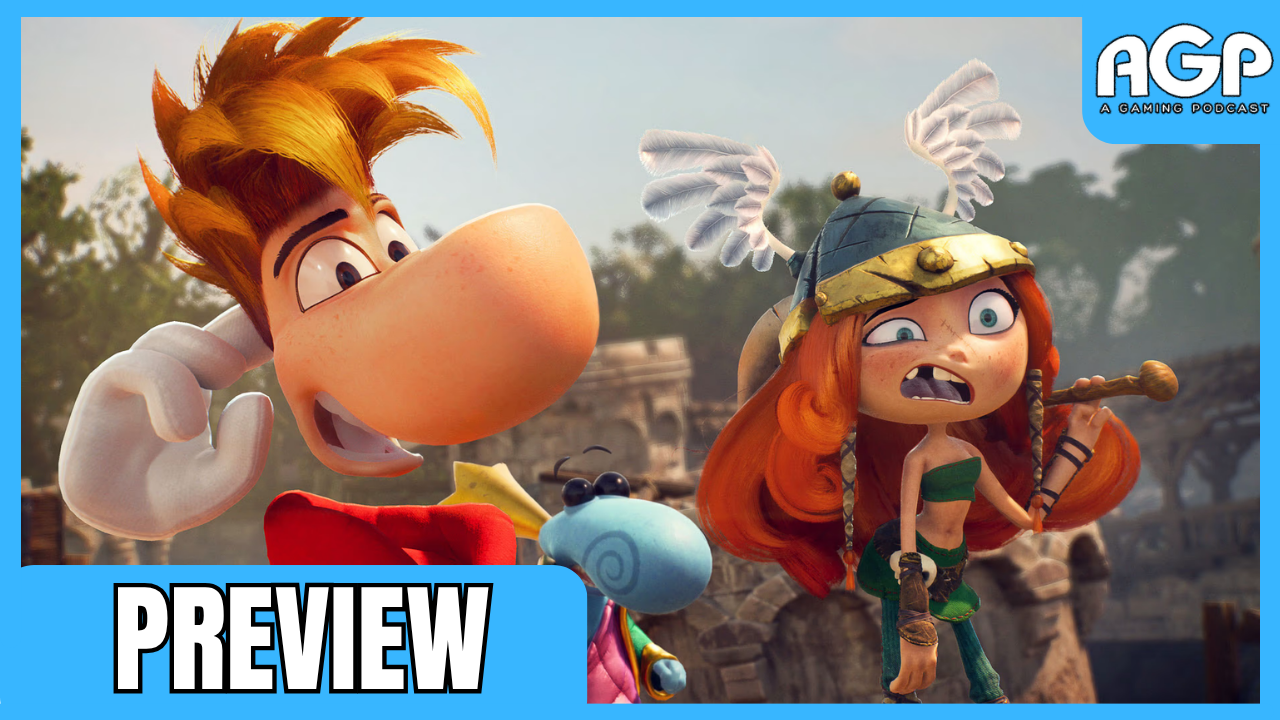
Rayman Legends Retold left me smiling, even when it was making me work for every checkpoint. Between colourful environments, rhythm-driven platforming, dragon flights, and a larger-than-life wrestling boss, our preview offered plenty of reasons to want another level. It also raised questions about how comfortably every player will be able to enjoy that variety.
Thanks to Ubisoft Canada, as we had the opportunity to try a PC preview build of Rayman Legends Retold.
The presentation made an immediate impression. Retold's stylized 3D visuals give its characters an expressive, animated-film quality, and the environments are packed with activity. I found myself preferring this approach to the earlier 2D look, particularly in the character animations and the extra personality they bring to moments of failure.
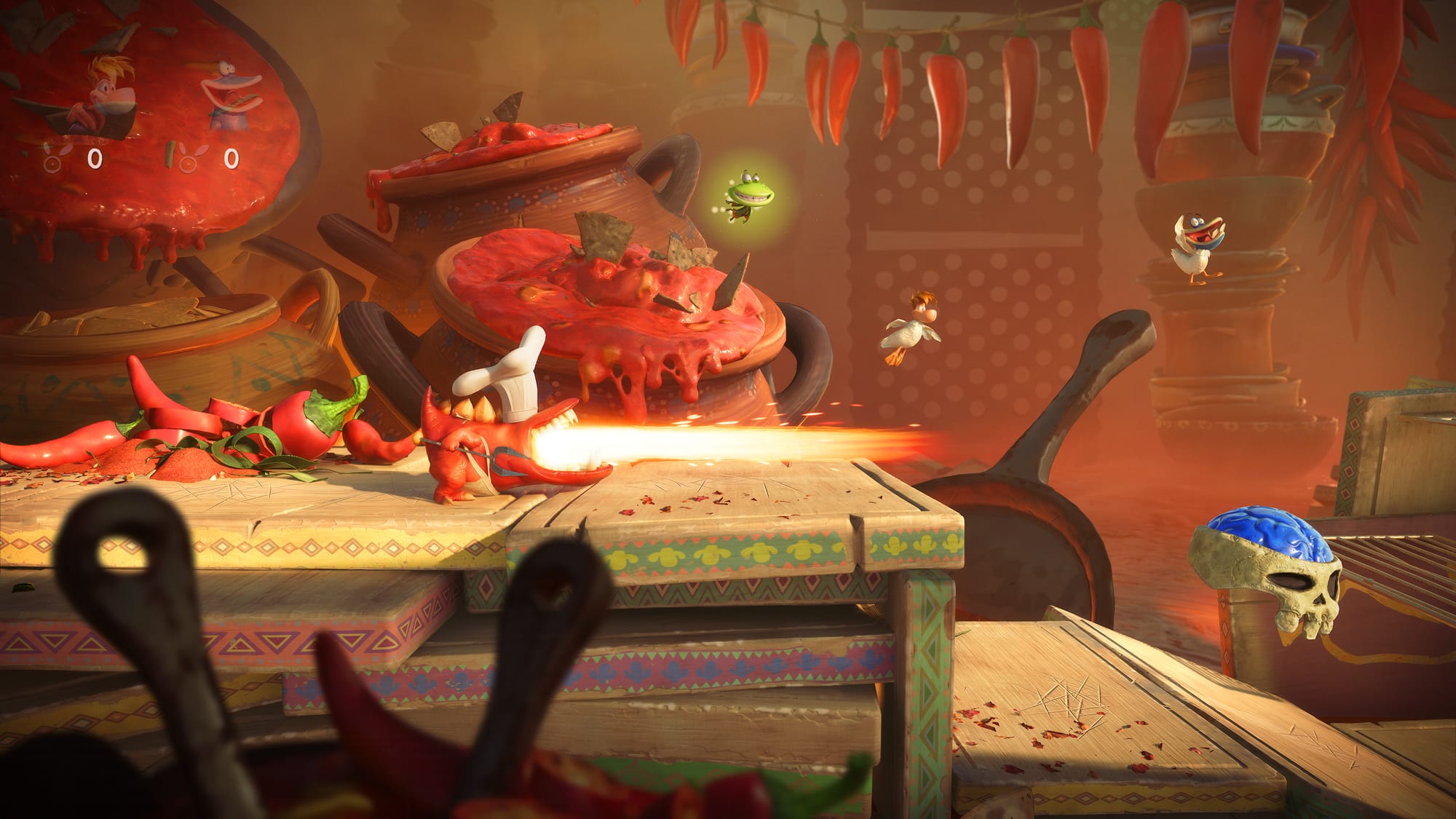
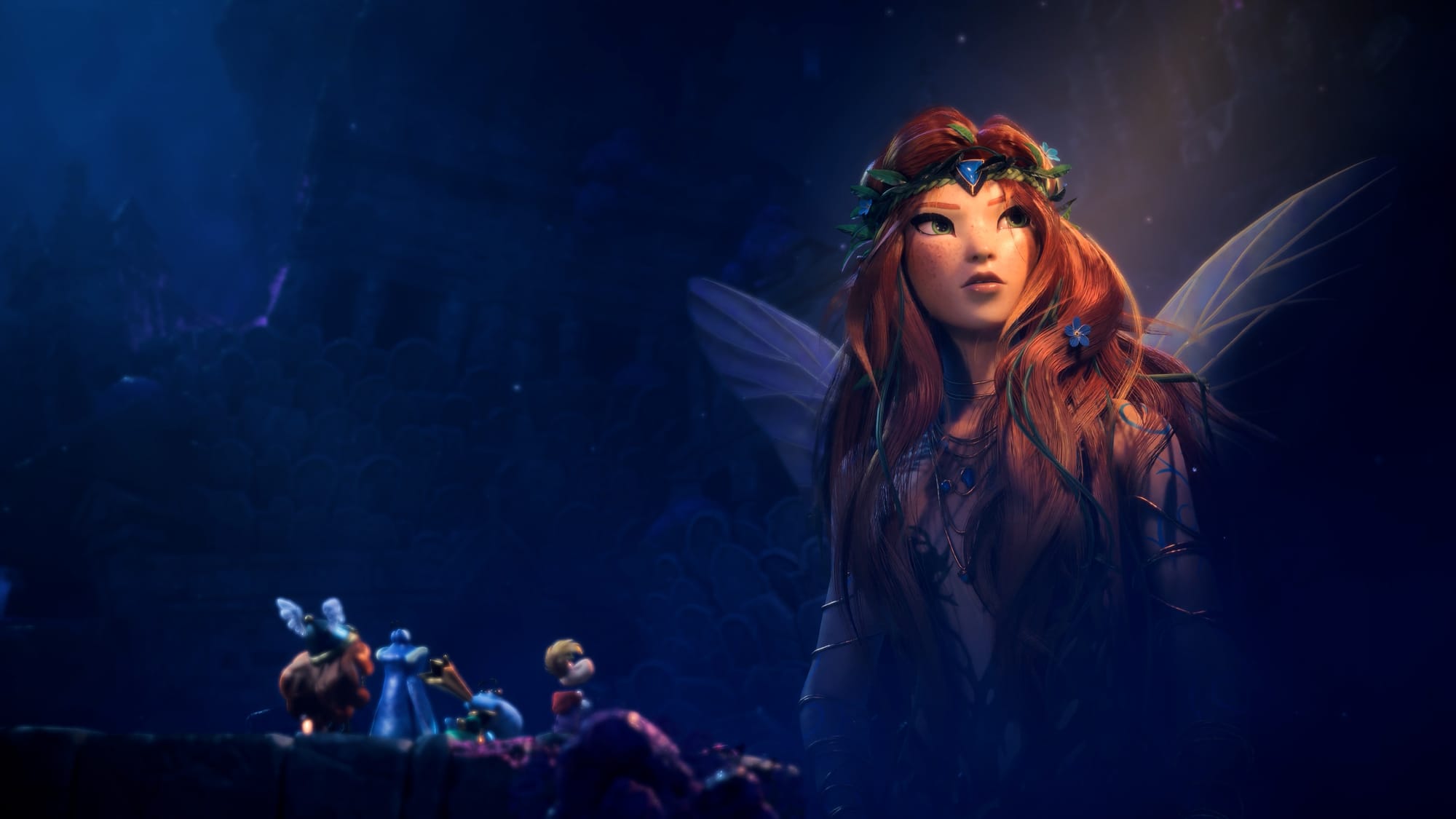
There is almost too much to take in while playing. During demanding sections, I was so focused on the next obstacle that I could barely appreciate everything happening behind it. That lively presentation extends to the cinematics, where voice acting and expressive animation give Rayman and his companions more room to show their personalities.
Underneath that cheerful exterior is a demanding platformer. The stages we played required careful timing, quick reactions, and a willingness to learn from mistakes. Different mechanics helped keep the action fresh, with the challenge coming from understanding what a section wanted and then executing it properly.
Our session started beyond the opening tutorial, so there was an initial adjustment period while we worked out the controls. That context matters when discussing difficulty. Still, even after settling in, this was clearly a game prepared to test us.
Fortunately, the checkpoints helped keep those tests enjoyable. Returning to the action was quick, and a mistake rarely felt like a reason to stop playing. I could take another attempt while the timing of the previous failure was still fresh in my head. For a platformer built around repetition and improvement, that makes a real difference.
One of the standout stages paired the Macarena with an obstacle course unfolding around a luchador preparing a meal. It captured the appeal of Rayman's musical levels: the soundtrack becomes part of how you read the action, encouraging you to match your movements to its rhythm.
The dragon sequences brought another change of pace. Flying around obstacles and attacking enemies with dragon breath shifted the action away from traditional platforming, while changes in perspective introduced a top-down shooting feel. We both enjoyed these sections, which had the energy of an amusement park ride. The movement, scenery, and changing viewpoints made them feel like a substantial part of the preview's appeal.
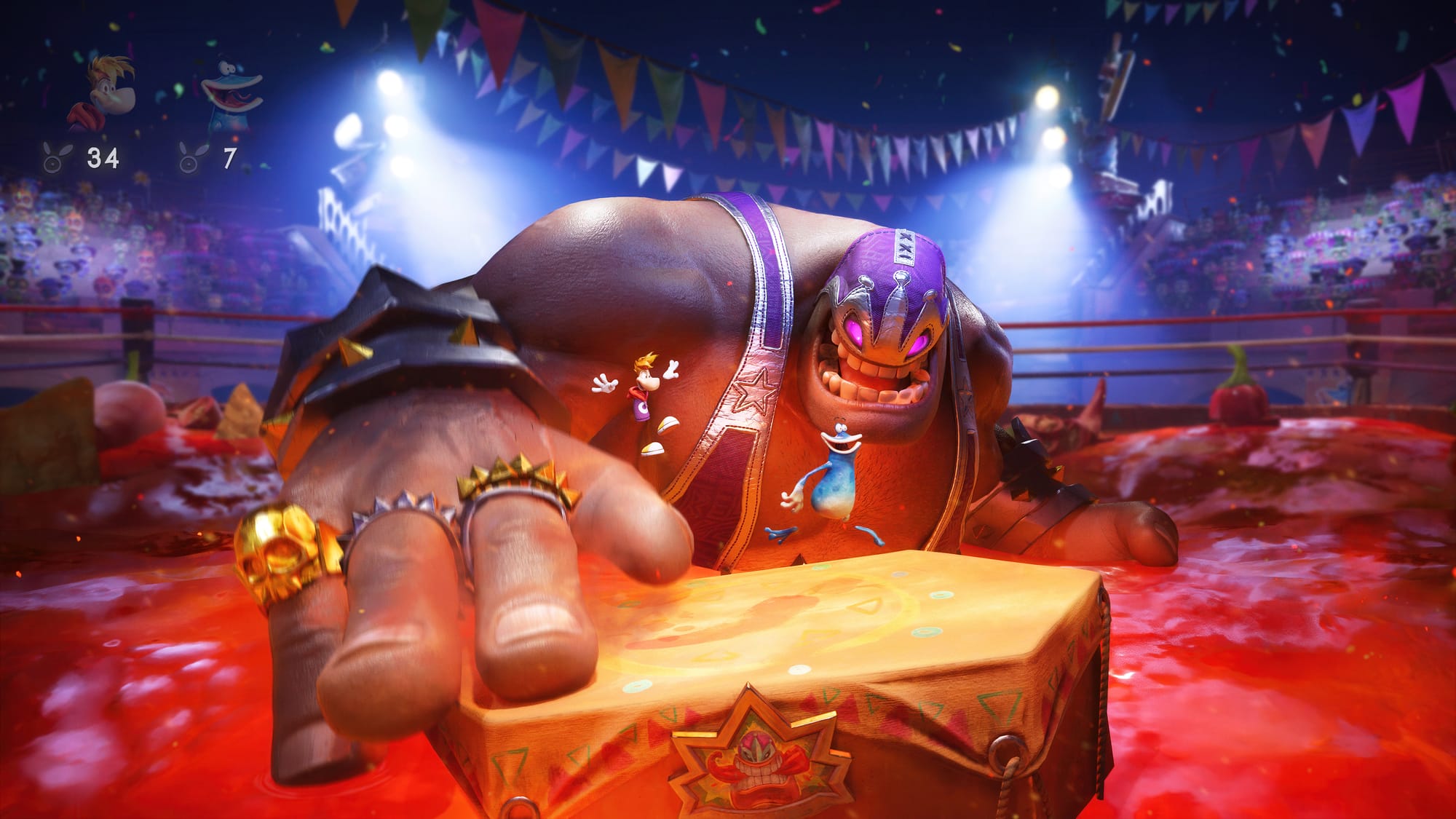
The luchador boss fight was another memorable encounter. Its challenge centred on movement and positioning, with disappearing platforms forcing me to react and rethink where I could land. I died several times, but I enjoyed learning its patterns. Steve compared its inventive platforming to the sort of boss encounter you might find in Astro Bot.
Checkpoints within the fight let us return to the current stage of the encounter. After repeated failures, an optional extra-heart assist also appeared. You could choose to activate it, keeping that support available without automatically applying it.
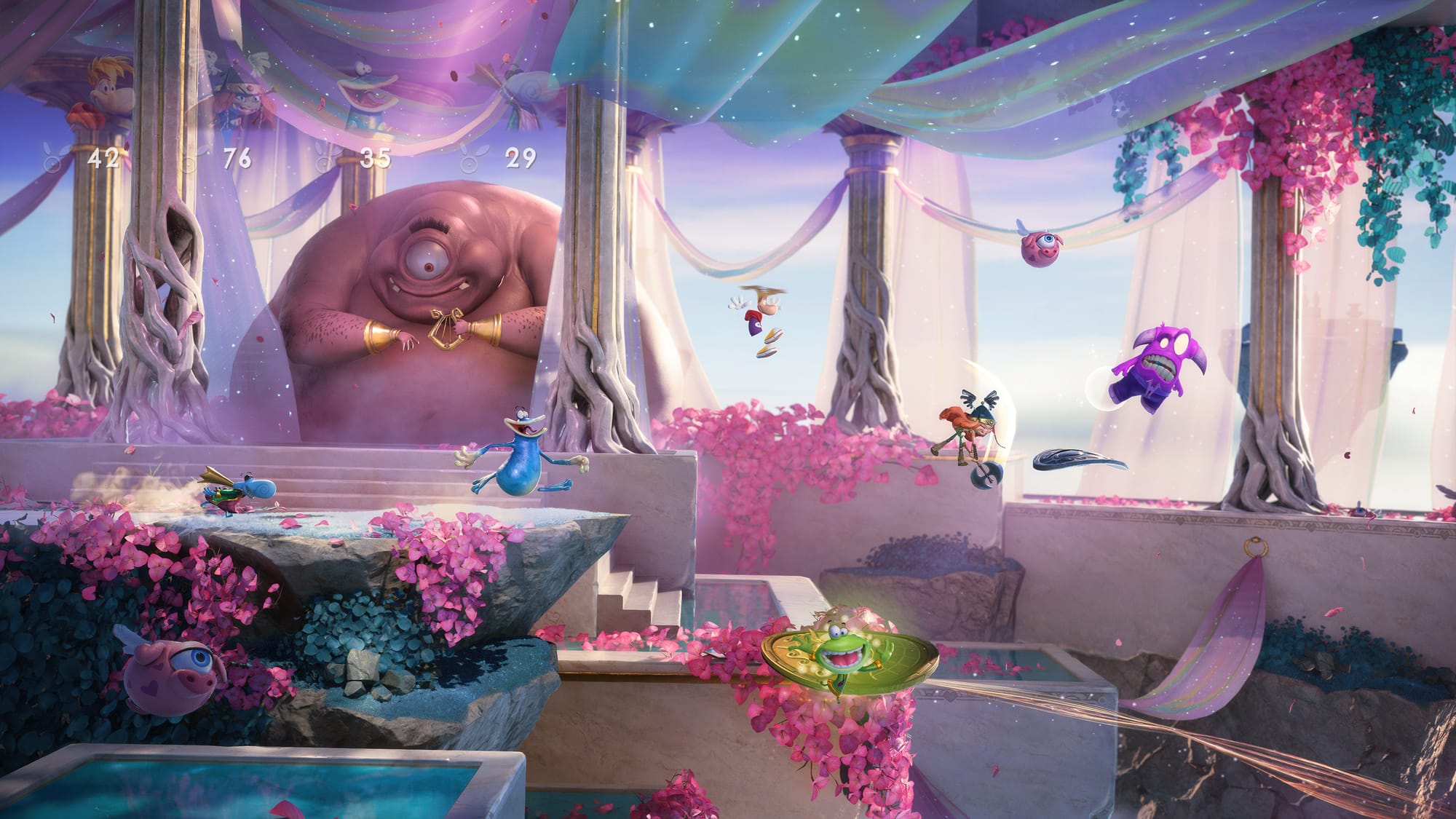
Another optional feature placed the player inside a protective bubble, allowing them to move through a troublesome section. Steve appreciated being able to use it to get past a specific obstacle and then return to regular play. Alongside the checkpoints, it offered a useful way to maintain progress.
However, those features did not resolve all of his accessibility concerns. Steve felt that some parts of the design needed more support, and the rhythm stage remained a clear example of the difficulties some disabled players could encounter. A full assessment will need to wait for the finished game, but that concern belongs alongside our enthusiasm for the level design.
There were also reasons to explore beyond simply reaching the end of each stage. Hidden routes and optional challenges encouraged a closer look, while unlockable outfits added another incentive to keep collecting. Prince of Persia, Assassin's Creed, and Splinter Cell costumes were among the options that caught our attention. Steve picked up the Prince of Persia outfit during the session.
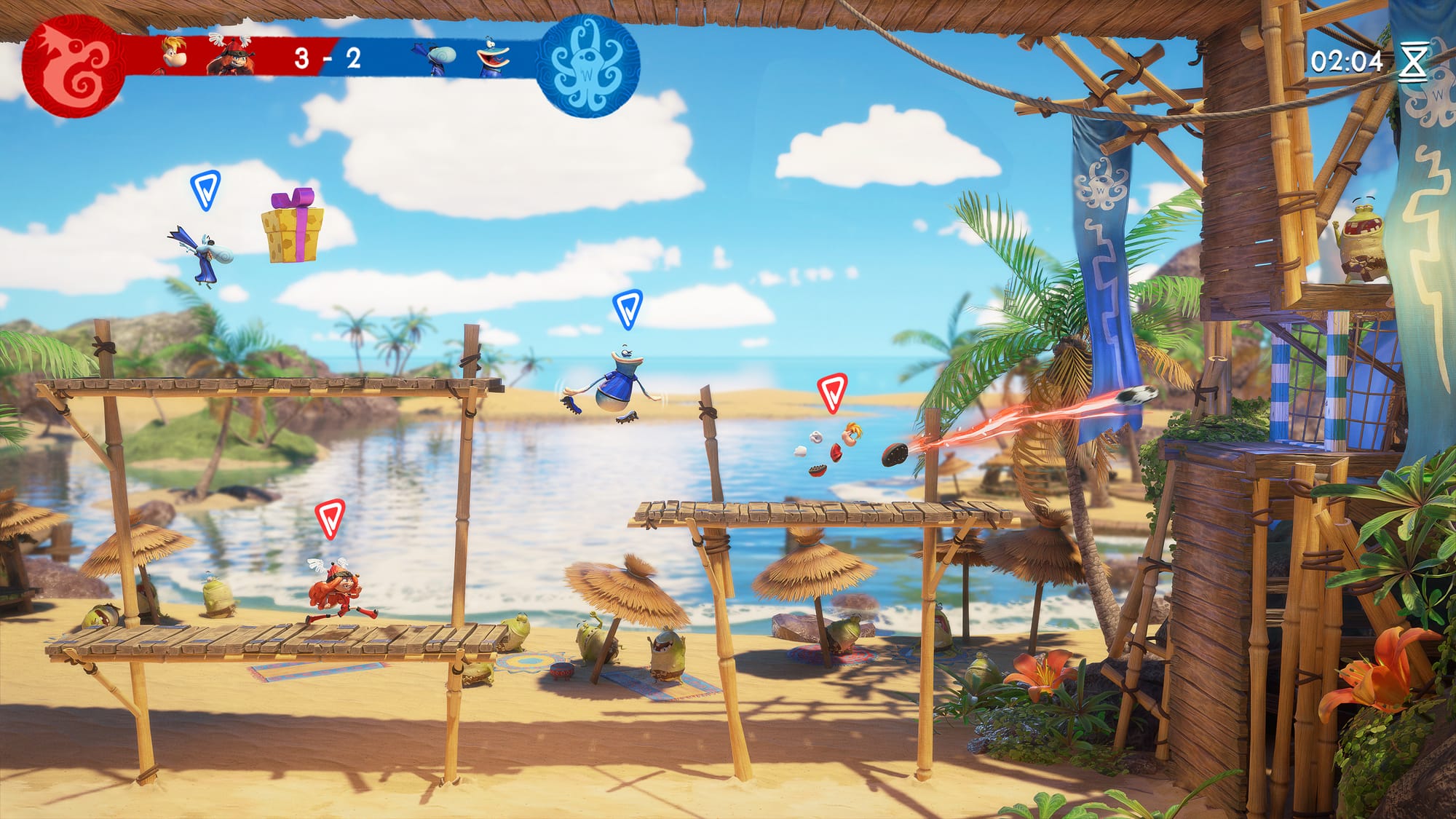
In our discussion, we also highlighted four-player local co-op for the main adventure and the returning Kung Foot mode. Online multiplayer remained unconfirmed during the conversation, so it is not something we can promise based on this preview. Our hands-on impressions also apply specifically to PC; we did not test the console versions.
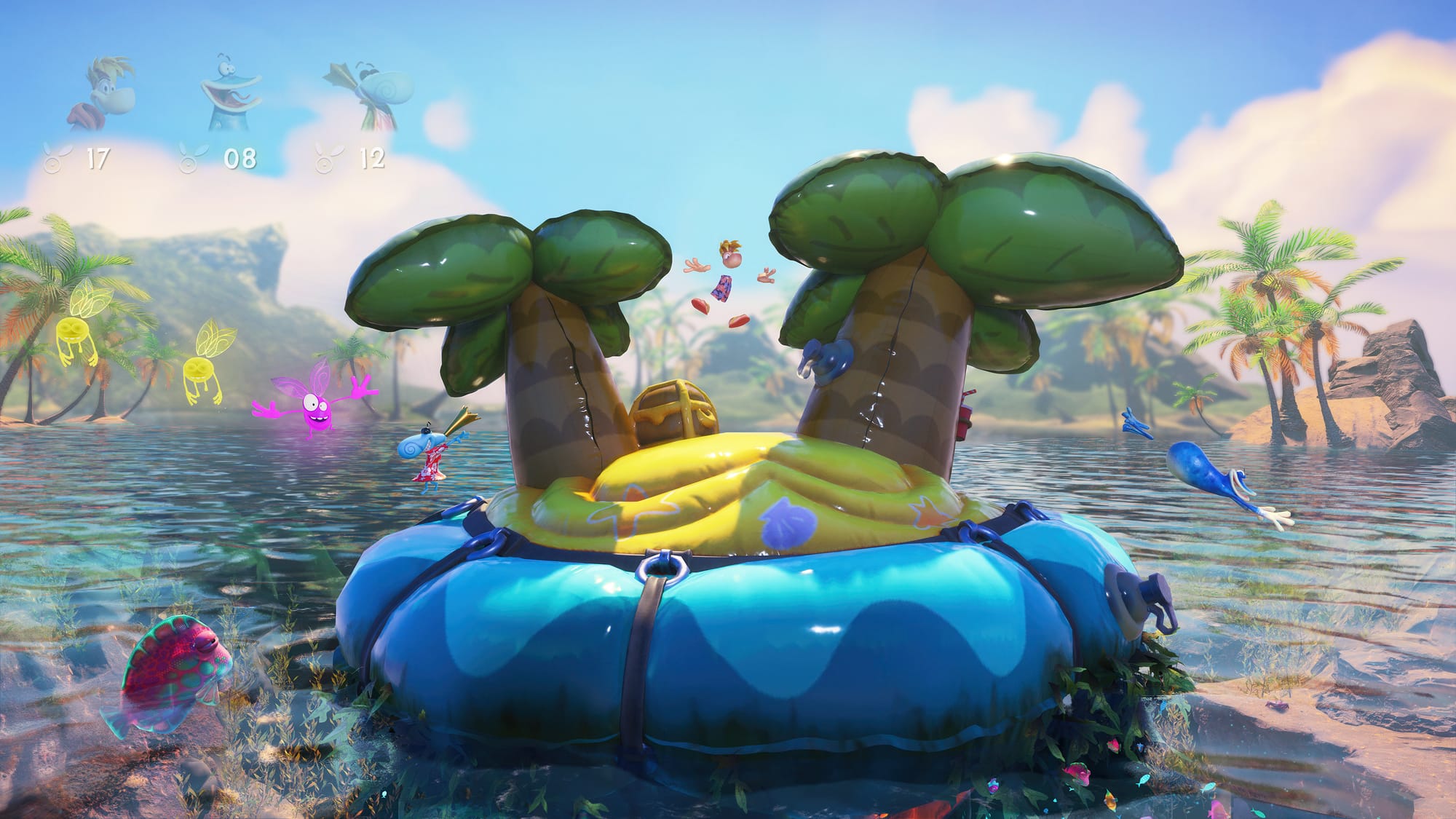
What stayed with me most was the desire to keep trying. Even when a section pushed back, the quick retries, playful presentation, and variety made another attempt appealing. We only saw a small part of the game, but it was enough to leave me looking forward to discovering what else it has waiting.
Rayman Legends Retold has the makings of a lively, challenging return. Its visual personality and willingness to move between different styles of play were the strongest parts of our session. If the full adventure maintains that creativity, there could be a lot to enjoy here. I am eager to return, while also hoping the finished experience does more to help players share in that enjoyment.
Rayman Legends Retold will be coming out December 3, 2026, for PlayStation 5, Nintendo Switch 2, Xbox Series X/S, and PC.