The Legend of Vox Machina Season 4, Episodes 1-3 Recap & Review

The Legend of Vox Machina Season 4 kicks off with a three-episode premiere that feels a little different right out of the gate... and honestly, that works in its favour. Instead of trying to immediately one-up the chaos and scale of the previous seasons Chroma Conclave arc, these opening episodes slow things down and ask a much more interesting question... what happens after the heroes save the world? Set a full year later, Episodes 1–3 are all about distance... emotional, physical, and even ideological. Vox Machina isn’t together when we pick back up, and that absence is felt in almost every scene.

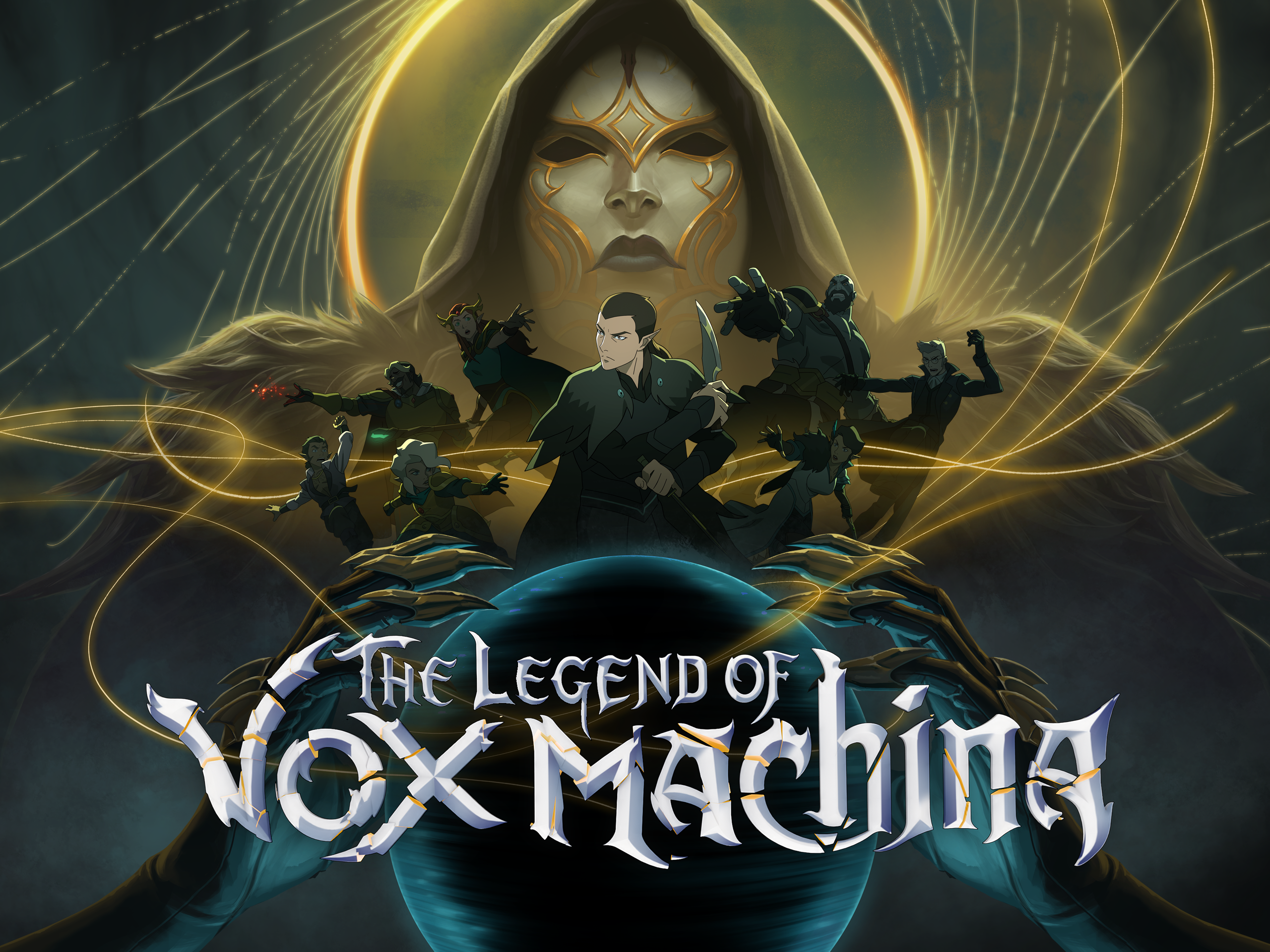
One of my favourite touches right away is how the show catches us up. Rather than a standard recap, we get this super stylized musical sequence led by Grog that is just... so Vox Machina. It’s chaotic, funny, weirdly catchy, and a reminder of how much personality this show continues to bring to even the smallest details. But once that’s over, the tone shifts pretty quickly. The world of Exandria isn’t celebrating its heroes... It’s recovering. Towns are still destroyed, people are still grieving, and there’s this lingering feeling that even though Vox Machina won, they didn’t save everyone. That emotional weight hangs over the entire premiere, and it gives these episodes a quieter, more reflective energy than we’re used to. We see that in how the group has split up. Percy and Vex are trying to build something stable in Whitestone... Pike and Grog are kind of drifting from place to place... and Keyleth and Vax are deep in the final stages of her Aramenté. Everyone is moving forward... but not necessarily together.
What I really love here is that the show doesn’t treat the end of Season 3 like a clean reset. If anything, it doubles down on the idea that big victories don’t fix everything. There’s a new threat brewing, and it’s not as immediately flashy as dragons... but it might be more dangerous. A cult has been growing in the background, offering people something the world currently can’t... hope, purpose, and even a form of immortality. It’s unsettling in a very different way, and the show does a great job of slowly layering in those hints without fully pulling back the curtain just yet. If you’re a Critical Role fan, you probably already know where this is going... but even if you don’t, the buildup is strong enough to keep you hooked.
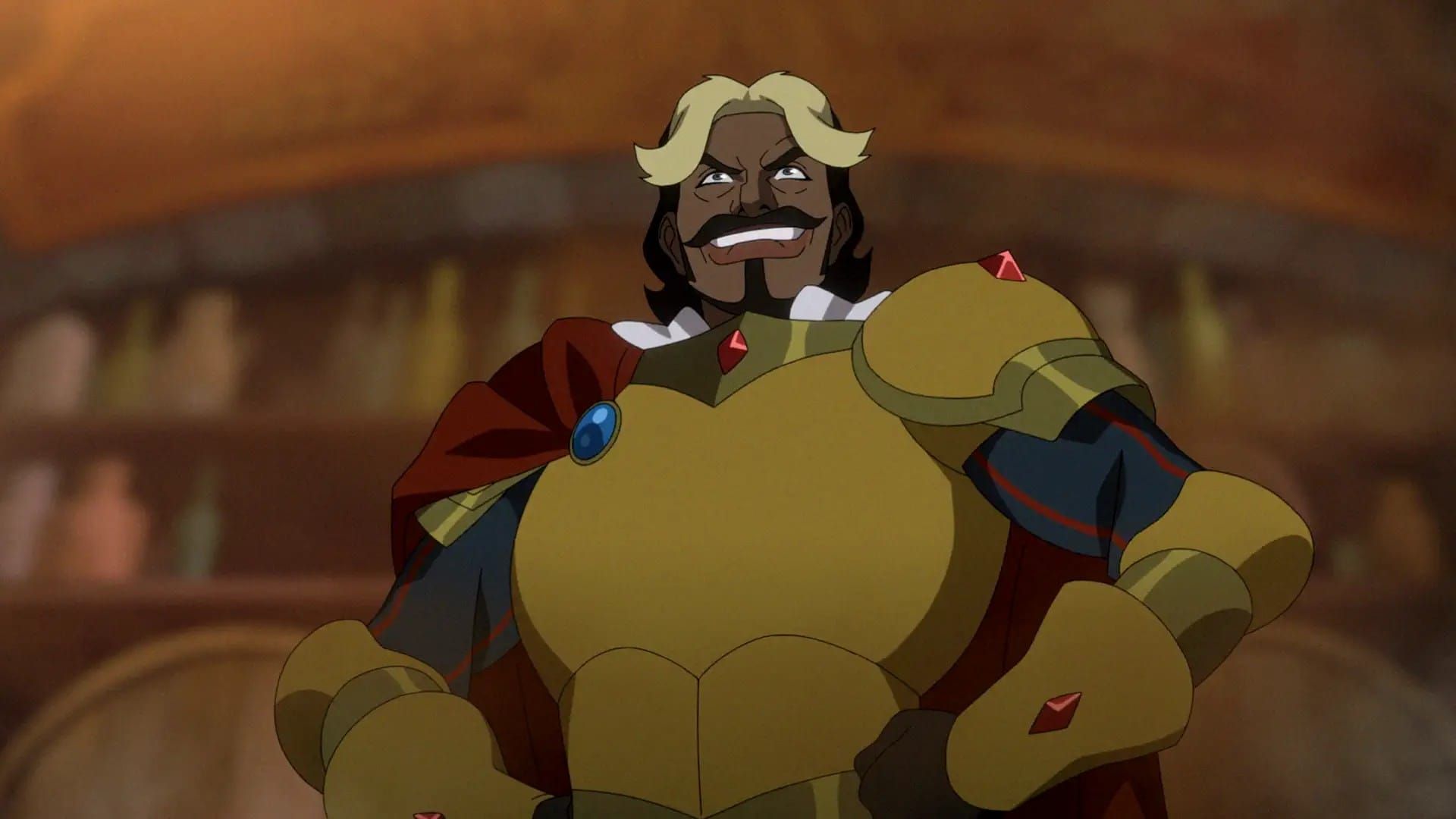
Let’s talk about the elephant in the room... or rather, the very loud, very rich replacement for Scanlan. Scanlan’s absence is absolutely felt in these first three episodes. There’s a noticeable gap in the group dynamic, especially when it comes to that chaotic comic relief energy. But instead of trying to replicate that, the show introduces Taryon Darrington. Voiced by Wayne Brady (Whose Line Is It Anyways?, How I Met Your Mother), Taryon is a self-proclaimed adventurer who is... a lot. He’s dramatic, overly confident, completely out of sync with the group, and accompanied by his robot biographer Doty... who, yes, is credited as “himself,” which is a very fun detail in the rolling credits. What makes Taryon work is that he doesn’t feel like a replacement for Scanlan... He feels like a disruption. Wayne Brady brings this improvisational energy to the role that makes every scene he’s in feel slightly unpredictable... like he’s not entirely following the same script as everyone else. It’s chaotic in a different way than Scanlan, and it adds a fresh dynamic to the group. Also... the fact that the episode descriptions are written in Taryon’s voice is such a good touch. This is something that escaped me until fellow A Gaming Podcast host Steve Saylor brought it up in our video recap... You can watch that here. It’s those little details that remind you how much fun the creators are still having with this world.
Character-wise, these episodes really lean into Pike and Keyleth... and both arcs are some of the strongest we’ve seen from them in the series so far. Pike’s story is especially interesting right now. She’s dealing with a crisis of faith, still feeling the impact of everything that happened last season... and also processing Scanlan’s absence. There’s a sense that she’s questioning not just her connection to the Everlight, but whether Vox Machina actually made the difference they thought they did. It’s heavier, more introspective material than the other seasons, and it gives her character a lot more depth. Keyleth, on the other hand, is finally on her way to hopefully reaching a huge milestone with her Aramenté. Her journey has always been one of growth and self-doubt, and seeing her grow as a character in this first arc of episodes feels genuinely earned. For Keyleth, episode 2 and 3 hits hard. It’s emotional, visually striking, and really highlights how far she’s come and where she is going in the future. And as someone who knows how her story plays out in the campaign from the table top game, it’s really satisfying to see her get her flowers. There’s also an interesting layer being set up here... Keyleth has way more responsibilities beyond Vox Machina... And balancing that with her role in the group feels like something the show is definitely going to explore more.
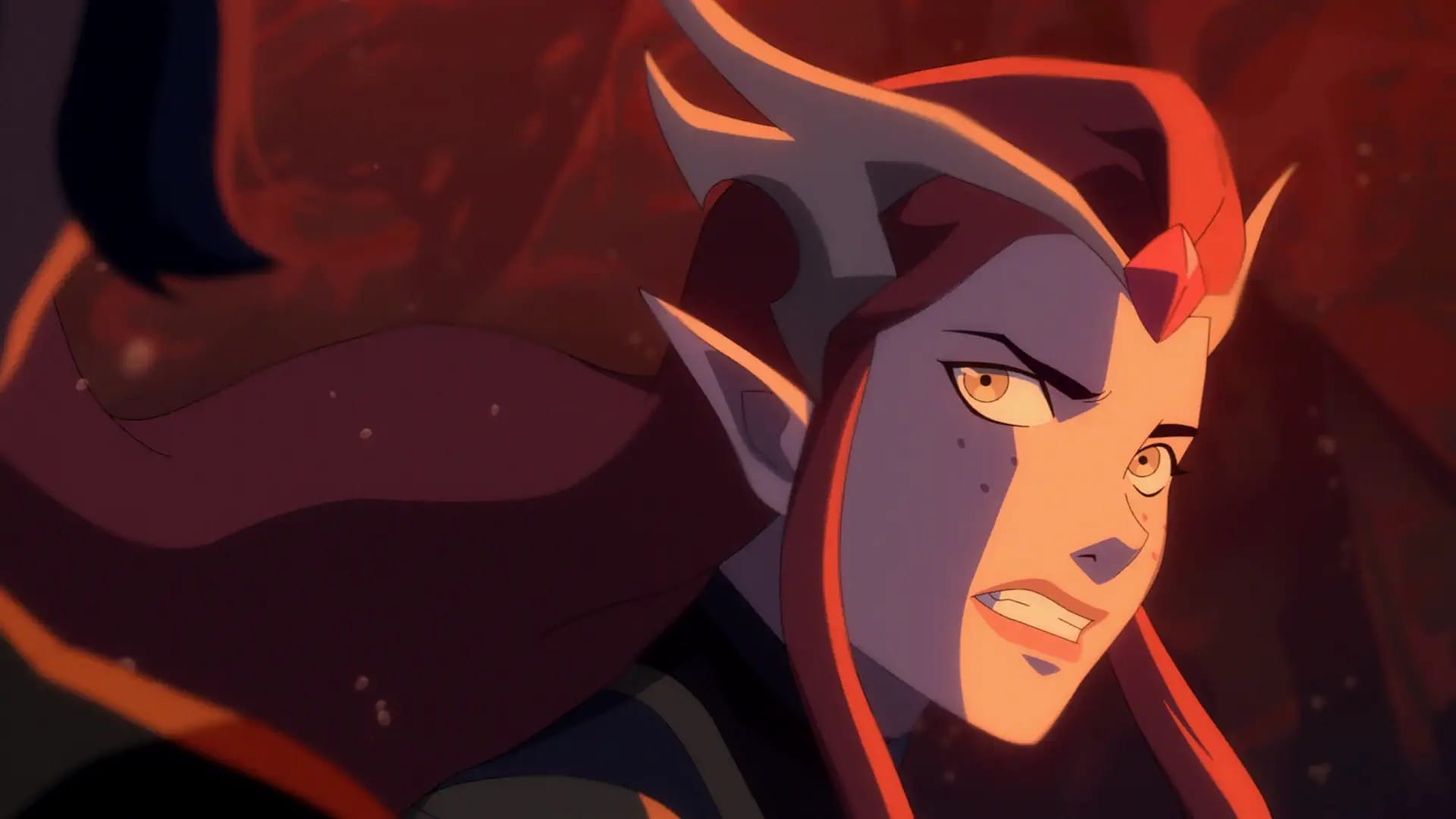
Even with a more character-focused start, Vox Machina still absolutely delivers on the action. The fight scenes are dynamic, easy to follow, and packed with those big, colorful magical moments that Critical Role Productions LLC partnered with Titmouse does so well. Every character gets at least one standout beat, and the choreography continues to be a highlight. There are a couple of small visual hiccups here and there... one creature early on doesn’t look quite as polished as the rest... but overall, the animation remains consistently strong. And again, it’s the little things that stand out. Background details, subtle Easter eggs, even quick nods like the “Lord Mercer” moment... it all adds to that feeling that this show is made by people who genuinely love this world.
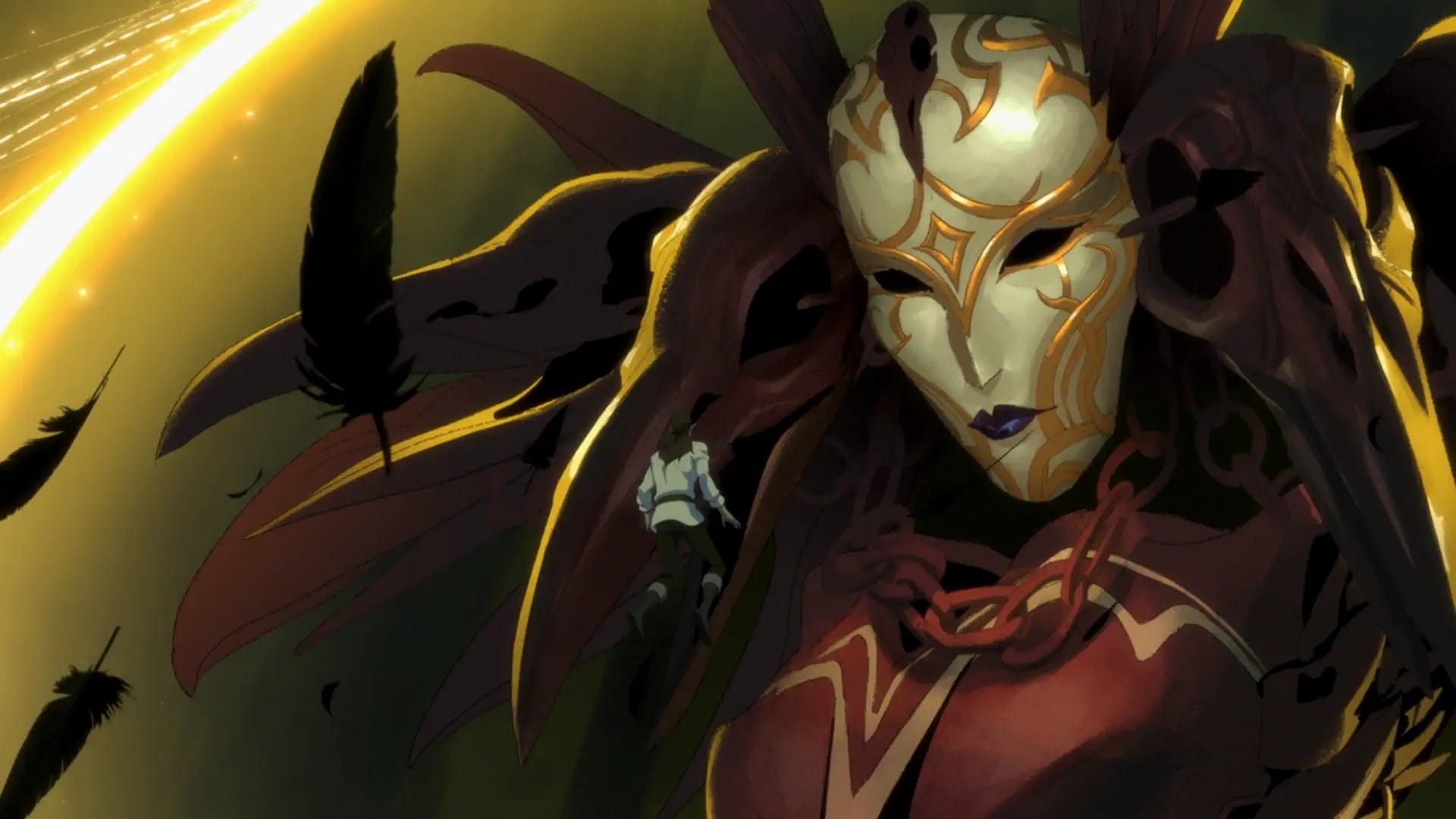
By the time we reach the end of Episode 3, Vox Machina is finally back together... mostly. And for a brief moment, it feels like things might settle into something familiar. Then, of course, the show reminds you what kind of story this is. The final confrontation introduces the season’s darker tone in a big way, with a fight that feels more personal and more unsettling than what we’ve seen so far. It’s not just about stopping a threat... it’s about understanding it. And the consequences hit close to home. It’s a strong, slightly ominous note to end on... and it makes it very clear that whatever comes next is not going to be easy.
My Verdict
The Legend of Vox Machina Season 4 starts with a premiere that feels more introspective, more character-driven, and honestly... more emotionally grounded than previous seasons. It takes its time reuniting the group, builds out the state of the world in a meaningful way, and sets up a threat that feels fundamentally different from anything Vox Machina has faced before. It’s funny when it needs to be, heartfelt when it counts, and just unsettling enough to keep you wondering where things are headed next. And if these first three episodes are any indication... this season isn’t just about another adventure. It’s about who these characters are when the adventure finds them again.