Clayface Movie Review

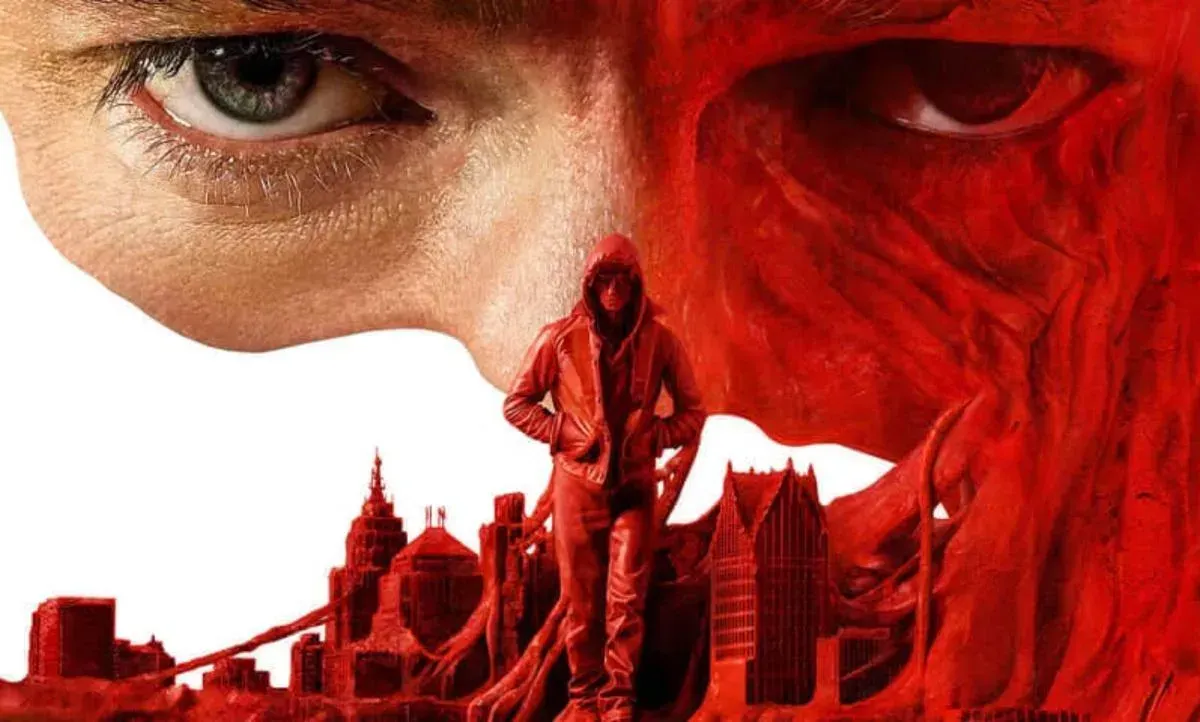
Growing up watching Batman: The Animated Series, I always felt bad for Clayface. He was a villain, but Matt Hagen’s story carried a sadness that made him different. It felt like the things happening to him slowly moulded him into the monster he became.
That tragedy is why I believed Clayface could carry a movie of his own. His origin has enough horror and emotion to work without Batman at its centre, and I’m glad DC Studios gave it that opportunity.
Directed by James Watkins and written by Mike Flanagan and Hossein Amini, Clayface explores the person behind the transformations. The result is a dark, disturbing horror thriller whose emotional impact matters just as much as its unsettling imagery.
From Hollywood Star to Gotham Monster
Tom Rhys Harries plays Matt Hagen, a young man who rises from Gotham’s streets to become a Hollywood leading man. His success collapses when the actions of a local crime boss leave him horribly disfigured, threatening both his career and the identity he has worked to build.
Desperate to reclaim his appearance, Matt undergoes an experimental treatment. It initially seems to give him his life back, but its effects reach beyond his face. As his grip on reality weakens, his second chance becomes a path toward obsession and revenge.
Anyone familiar with Clayface knows where that journey leads. What makes the film engaging is watching the person Matt becomes along the way, and understanding how much he believes he has lost.
The Tragedy Gives the Horror Weight
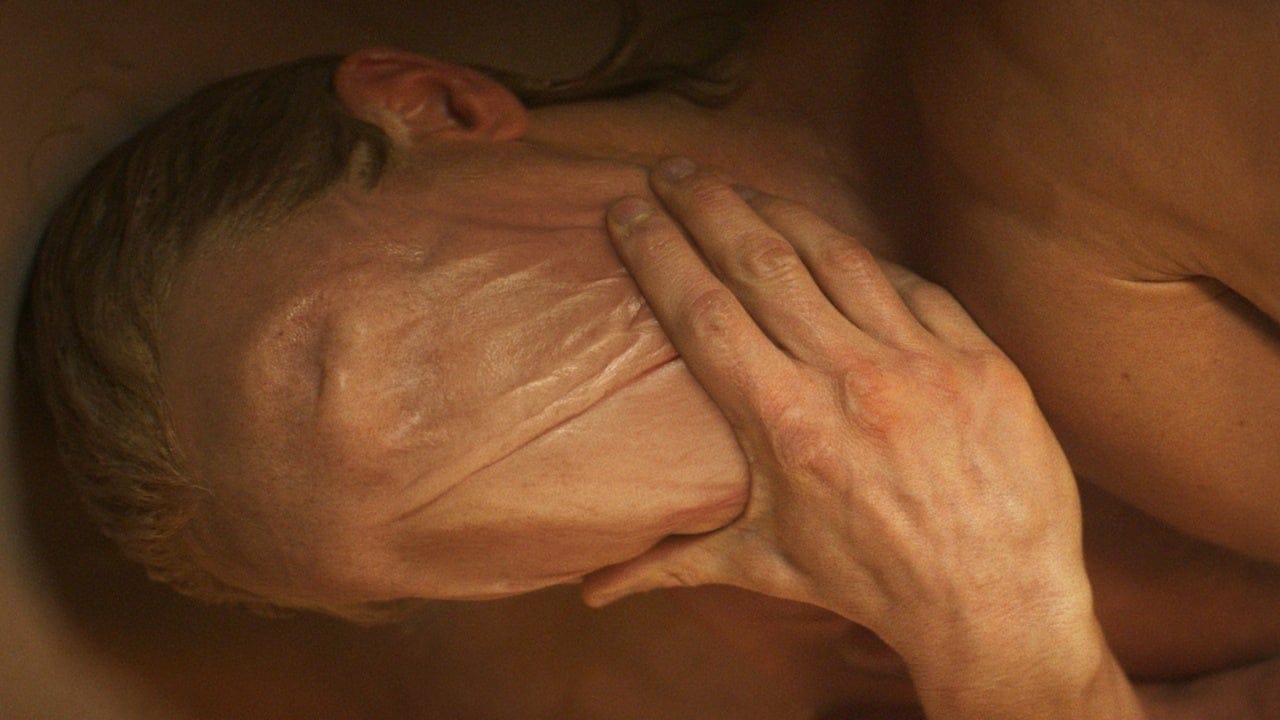
The movie’s strongest storytelling choice is giving us reasons to care about Matt before his transformation takes over.
His appearance is tied to his livelihood and sense of self, so losing it has consequences beyond the physical damage. The treatment offers him something he desperately wants, making his willingness to pursue it understandable even as the consequences become frightening.
Matt’s pain does not excuse every decision he makes. However, the film keeps that pain present enough that I could understand what was driving him. As his actions grow darker, the memory of who he was makes his descent more troubling.
That emotional connection is essential to Clayface. His abilities are visually striking, but the story becomes much more affecting when you can still recognize the person suffering underneath them.
Body Horror That Made Me Uneasy
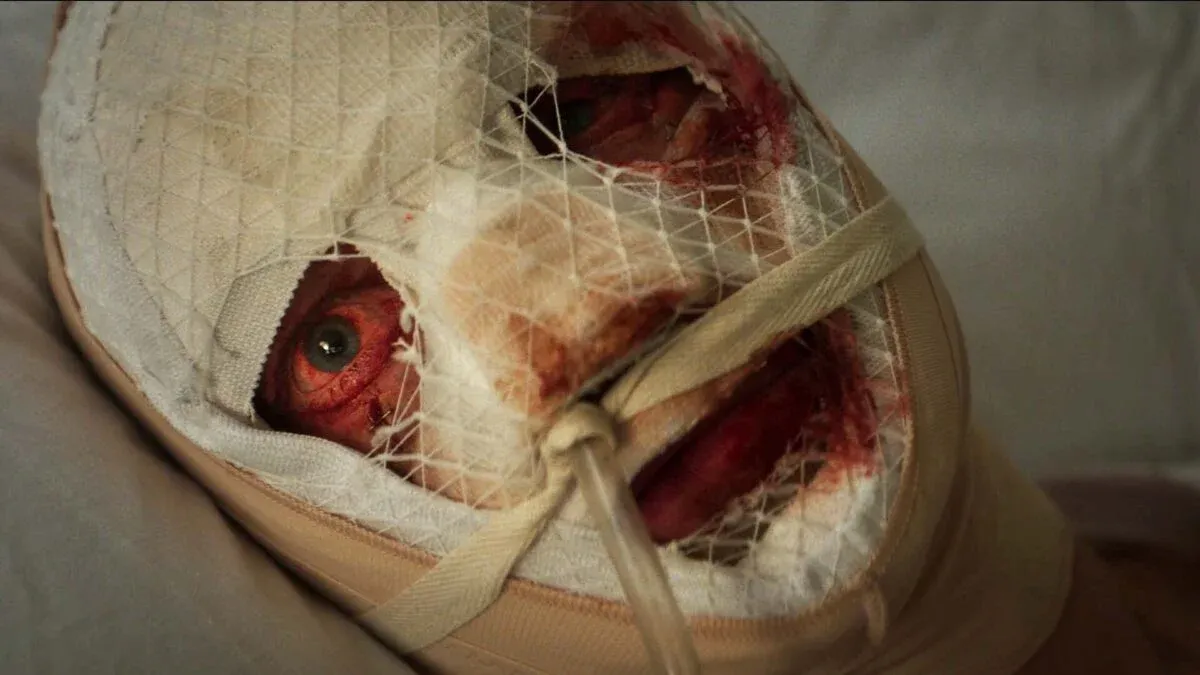
Clayface does not hold back on its body horror. There were moments when I felt uneasy watching what was happening to Matt, and I can easily imagine some viewers turning away.
The transformations communicate pain and a loss of control. His body becomes something he can no longer trust, which makes the effects disturbing beyond their immediate visual impact.
Watkins gives those sequences room to unsettle the audience. The horror suits a character whose ability to change his appearance comes with such a devastating relationship to his own identity.
I appreciated the film’s willingness to follow that idea into uncomfortable territory. The body horror feels connected to Matt’s experience, giving the grotesque imagery an emotional purpose.

Tom Rhys Harries Keeps Matt Human
Tom Rhys Harries carries much of that emotional weight. He has to make Matt convincing as an emerging star, a desperate man facing a devastating loss, and someone becoming increasingly consumed by revenge.
His performance holds those stages together. Even when Matt makes decisions that push him further into darkness, Harries preserves enough vulnerability to keep him compelling.
That humanity gives the transformations their impact. I remained invested in what was happening to Matt, rather than simply waiting to see what the next effect would look like.
It is an important balance for a movie built around such an extreme physical change, and Harries makes the character’s suffering matter.
Max Minghella Stands Out in a Strong Cast
Max Minghella, playing John Borrelli, delivered my favourite supporting performance. He held my attention whenever he appeared, even in a movie where the central character and horror imagery could easily dominate everything around them.
Naomi Ackie also contributes to the story as Dr. Caitlyn Corr, whose role connects directly to the treatment that changes Matt’s life.
The performances help keep the film grounded as the physical horror becomes more extreme. That grounding matters because the story needs believable people and relationships around Matt for his descent to retain its emotional force.
The Cinematography Strengthens the Unease
The way Clayface is shot was another highlight for me. Gotham has an oppressive atmosphere that suits Matt’s story, and the cinematography supports the film’s darker material throughout.
The horror sequences particularly benefit from the framing and timing. The camera creates anticipation around what we might see, making the eventual imagery more unsettling.
That visual approach complements the performances. Matt’s distress gives us an emotional reason to care, while the filmmaking makes his changing world uncomfortable to inhabit.
The result is a film whose atmosphere contributes as much to the horror as the transformations themselves.
A Story That Works Beyond DC
You could remove the DC Studios logo, and I think Clayface would still work as a horror thriller.
The film gives viewers a story they can follow without knowing Batman’s rogues' gallery or the wider DC Universe. Matt’s ambition, his attachment to his appearance, and his desperation to recover what he has lost provide an accessible emotional foundation.
For longtime fans, familiarity with Clayface adds another layer of sadness. We recognize where Matt is heading before he fully understands it himself.
For newcomers, the central questions remain compelling: how much of your identity depends on how others see you, and what would you risk to recover the life you thought you had lost?
That independence is one of the film’s strengths. Its connection to DC enriches the experience without being a requirement for understanding it.
A Direction Worth Exploring
Clayface makes a strong case for giving individual comic-book characters stories that suit them.
The character’s history lends itself to horror, and this adaptation commits to that direction. Its focus on identity, desperation, and revenge gives the filmmakers room to explore what makes Matt disturbing and sympathetic.
The writing and direction work toward that same goal. The sadness remains present as the film becomes more grotesque, allowing the horror and tragedy to reinforce each other.
I would like to see DC Studios continue making space for projects with this kind of individual identity. Clayface benefits from a film willing to spend time with his particular fears and contradictions.
Final Verdict
Growing up, I always felt bad for Clayface. After watching this movie, I still do, and that is a large part of why it worked for me.
Tom Rhys Harries gives Matt Hagen the humanity needed to carry the story, while Max Minghella delivers my favourite supporting performance. James Watkins’ direction and the cinematography create a dark atmosphere, and the body horror made me genuinely uncomfortable at times.
What stayed with me was the connection between that horror and Matt’s loss of identity. His transformations are disturbing because the film gives us reasons to care about the person experiencing them.
Fans of Batman and DC will recognize the tragedy at the heart of Clayface, but newcomers have a compelling horror thriller to follow as well. The graphic imagery will not suit everyone, yet it serves a story that understands why this character deserves more than a memorable monster design.
DC Studios gave Matt Hagen’s story room to stand on its own. For someone who grew up seeing the sadness behind Clayface, that choice paid off.