Eternal Strands Review

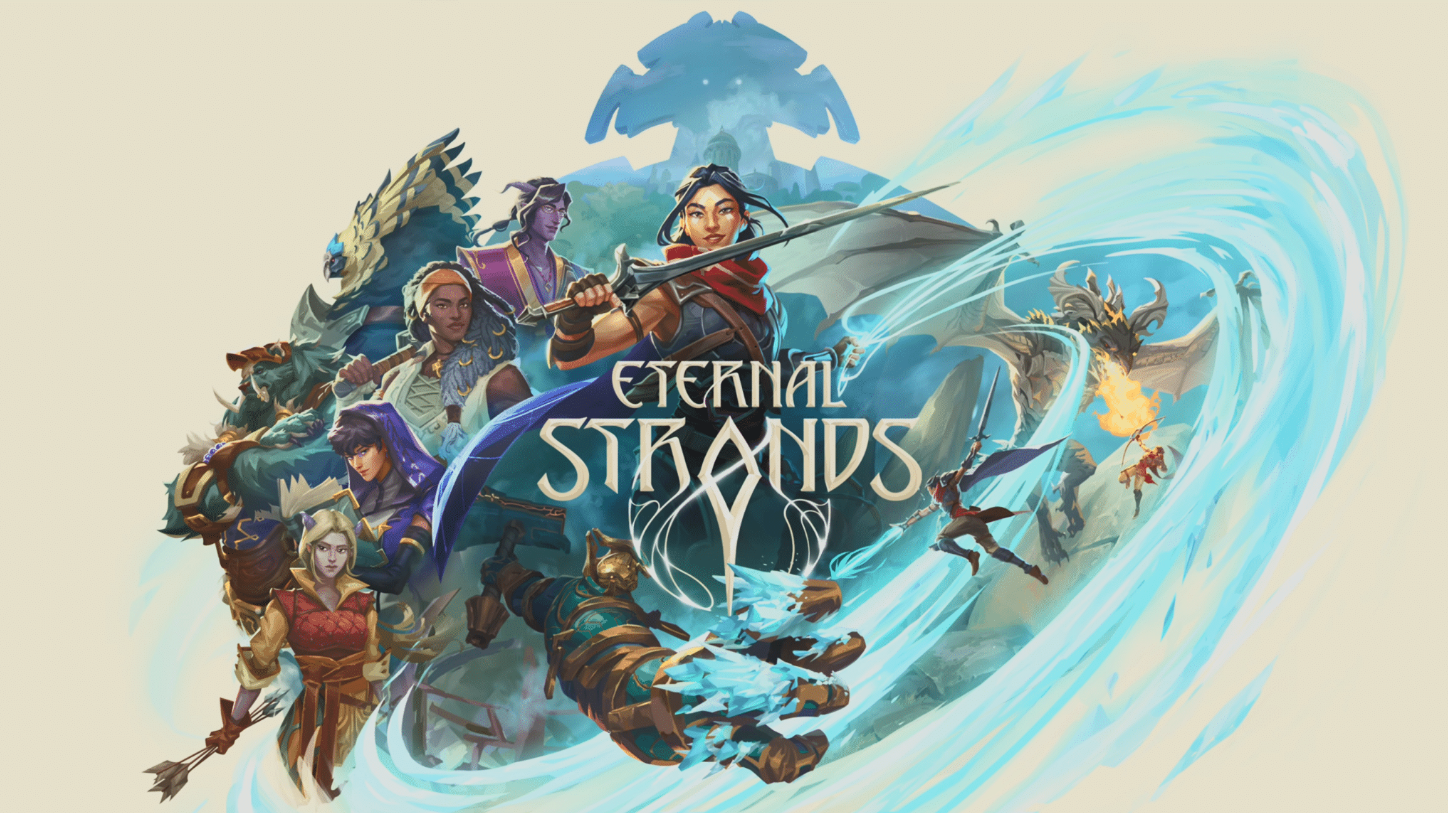
Eternal Strands opens with a strong premise... a third-person fantasy action RPG that blends elemental magic with open-ended exploration, all built around the idea that the world itself is as much a weapon as anything you carry. Developed by Yellow Brick Games, a Canadian studio, it sets out to deliver a system-driven adventure where creativity matters just as much as combat skill.

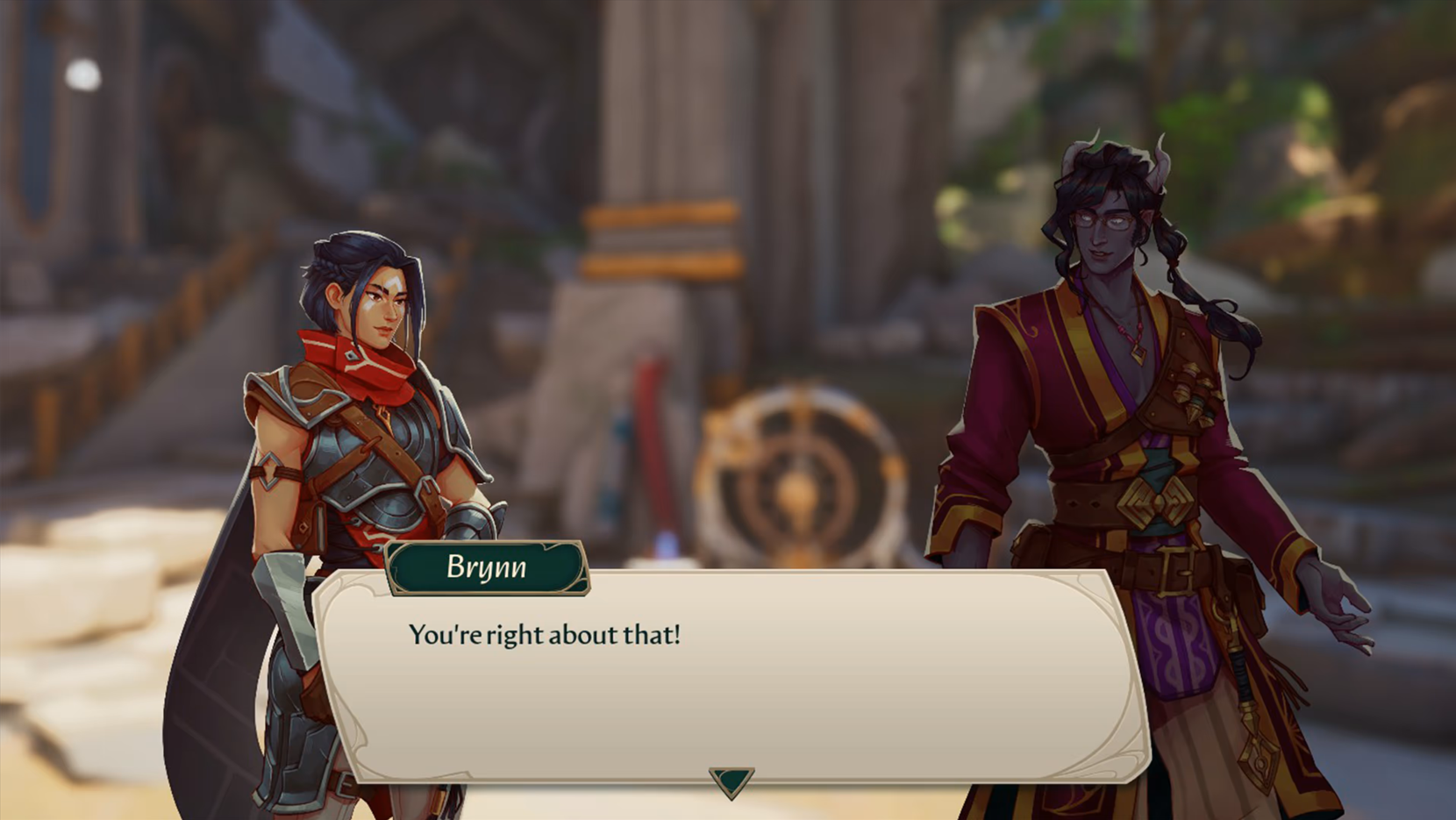
You jump into the game as Brynn, a Weaver navigating a world still reeling from a years-past magical catastrophe that fractured both society and the land itself. The setup is pretty strong... starts with a group of outcast magic users pushing back into a sealed-off stronghold known as the Enclave, hoping to uncover what went wrong and reclaim something that feels like home. It's very much giving Robin Hood and his bunch of misfits in a magical land.
For a large chunk of the early game, the story does tend to drift. There are hours spent moving between zones, listening to companion dialogue, and completing fairly routine objectives before anything meaningfully shifts. When the bigger reveals finally start to land, they are interesting enough to justify the slow burn, BUT it takes a long time to get there.
Brynn herself is easy to like, though she rarely feels challenged in a way that creates real tension. Conversations tend to resolve a little too cleanly, which makes the group dynamic feel flatter than it should. There is a LOT of lore here, and it is clear the world has history... it just does not always translate into the game's momentum.
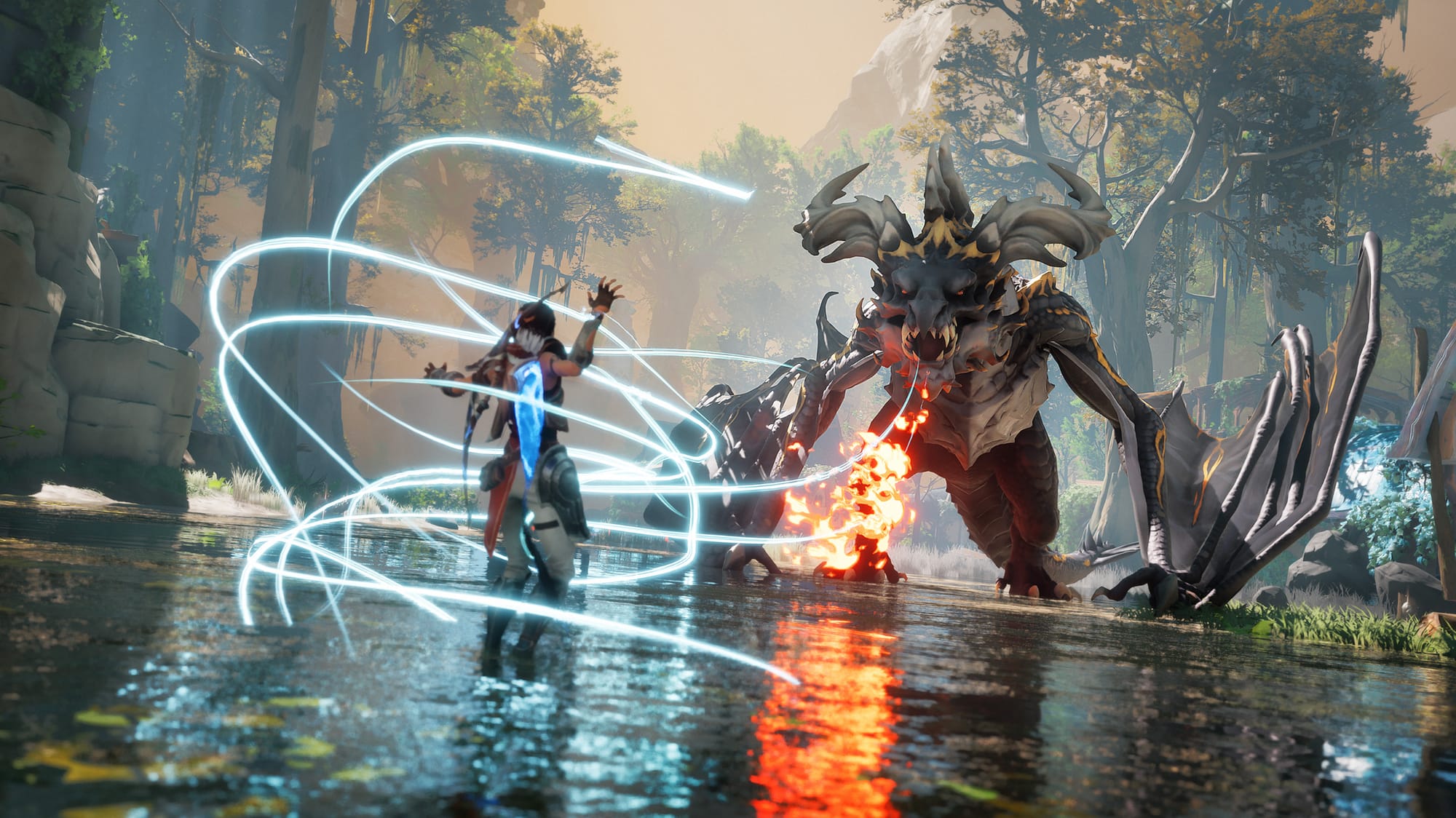
I played the PC version via Stream, and during my experience, Eternal Strands runs surprisingly well... ESPECIALLY given how much is happening on screen. Even in larger encounters filled with fire effects spreading across grass, ice forming in real time, and debris flying everywhere, performance did hold steady. Load times are fairly quick, and the overall experience feels polished from a technical standpoint.
Combat is built around rotund mix of melee weapons and three core magical forces: fire, ice, and telekinesis. On paper, a very familiar fantasy setup. In practice, it definitely becomes something much more experimental. You are cooling entire environments, making amour brittle, creating traversal paths, or stopping massive enemies mid-attack. That part I found super fun. Fire spreads dynamically, turning the battlefield into a hazard for both you and your enemies. Telekinesis powers also lets you weaponize the environment itself, ripping objects out of the ground and turning them into projectiles.
This system-driven design is easily a game highlight. It rewards creativity in a way most action RPGs do not. One fight might have you freezing a giant’s limb to pin it in place... the next has you throwing its own attacks back at it using raw force.
My personal favourite encounters are the massive “Great Foes.” These battles lean heavily into that Soulslike-inspired design... climbing onto enormous creatures, managing stamina, targeting weak points, and improvising on the fly. They kind of feel like puzzles as much as combat fights, and they are consistently the most memorable moments in the game.
Unfortunately, everything around those fights does not quite hold the same level. Standard enemy encounters start to feel a bit repetitive over time. Weapon variety is limited, movesets do not evolve much, and many encounters blur together across the roughly 30-hour campaign. The magic system does a lot of heavy lifting here, but it cannot completely mask the lack of depth in traditional combat.
There is also a layer of jankyness tied to the physics system. When it works, it is incredible... when it does not, it can lead to awkward deaths or unpredictable outcomes that feel more frustrating than fun.
The world of Eternal Strands is visually striking and mechanically open. Every surface is climbable, and the environment is designed to be interacted with, not just traversed. You can create your own paths using magic, break obstacles apart, or approach areas from unexpected angles.
The Enclave itself is filled with environmental storytelling, scattered lore entries, and a variety of distinct regions that hint at a once-thriving magical civilization. If you are the type to dig into codex entries and piece together history, there is a lot to uncover here.
That atmosphere is elevated even further by its soundtrack, composed by Austin Wintory (Journey, Assassin's Creed Syndicate, Towerborne). The score does a lot of good in making the world feel grand and mysterious, especially during exploration and those larger-than-life boss encounters. It swells at the right moments, adding weight to your climb up towering foes or quiet tension as you move through abandoned ruins. It is one of the more consistent elements tying the experience together.
That said, exploration incentives are a bit uneven. Most rewards boil down to crafting materials or gear blueprints. While the crafting system allows for some customization, it can feel overly complex without offering enough meaningful payoff. Progression is tied heavily to gear rather than character growth, and the lack of loadout options makes experimenting more tedious than it should be.
The dynamic weather system adds another layer... but not always in a good way. Extreme conditions like flash freezes or heatwaves can drastically impact gameplay, often forcing you into trial-and-error preparation rather than strategic planning. Instead of enhancing exploration, these moments can interrupt its flow.
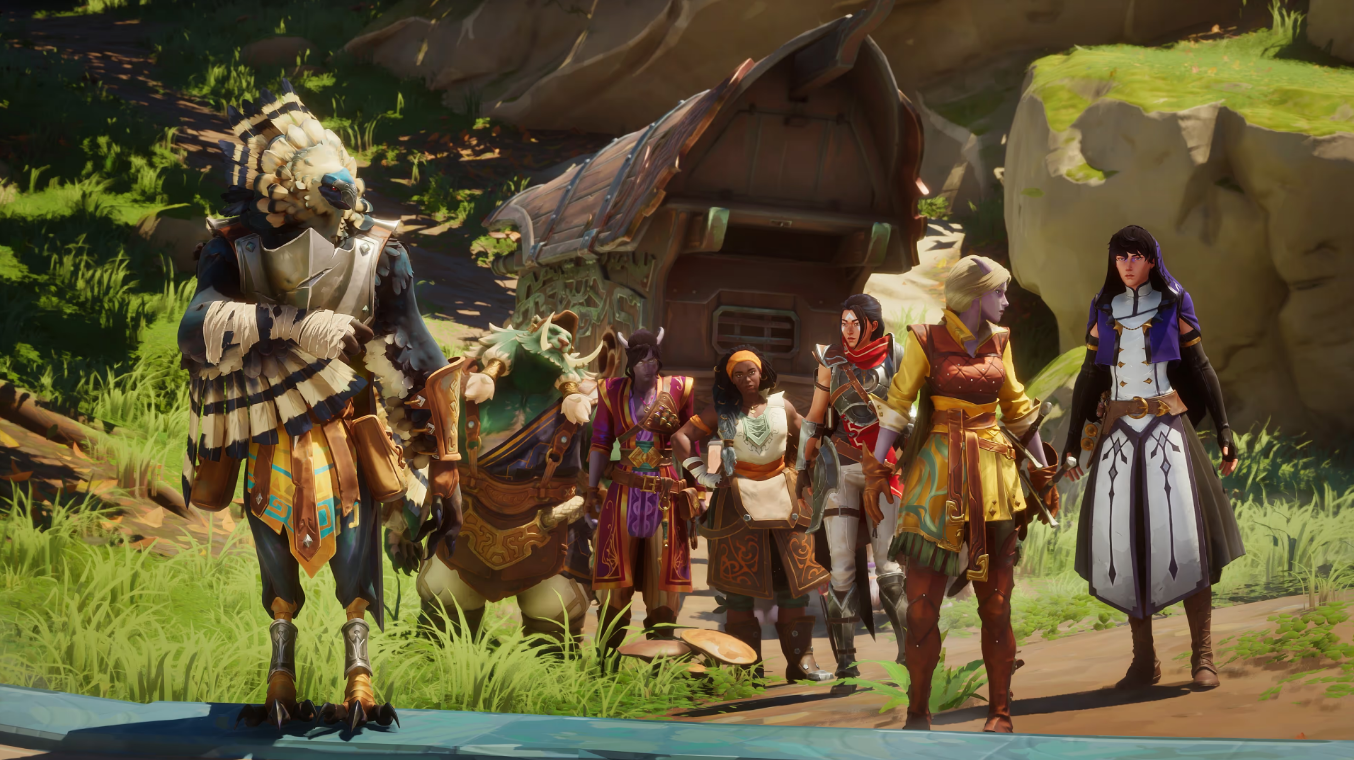
Eternal Strands is definitely a game of extremes. Its highest highs... scaling a massive creature while freezing its limbs and barely holding on, world building, etc... feel inventive and exhilarating. Its lowest moments, which include repetitive combat loops, sometimes awkward physics, and slow narrative pacing, are harder to ignore the longer you play. What ultimately carried this game for me is the strength of its core idea. The way its systems interact, the freedom it gives players to experiment, and the sheer 'spectacle' of its biggest encounters make it stand out in a crowded genre.