Marvel Tokon: Fighting Souls Review

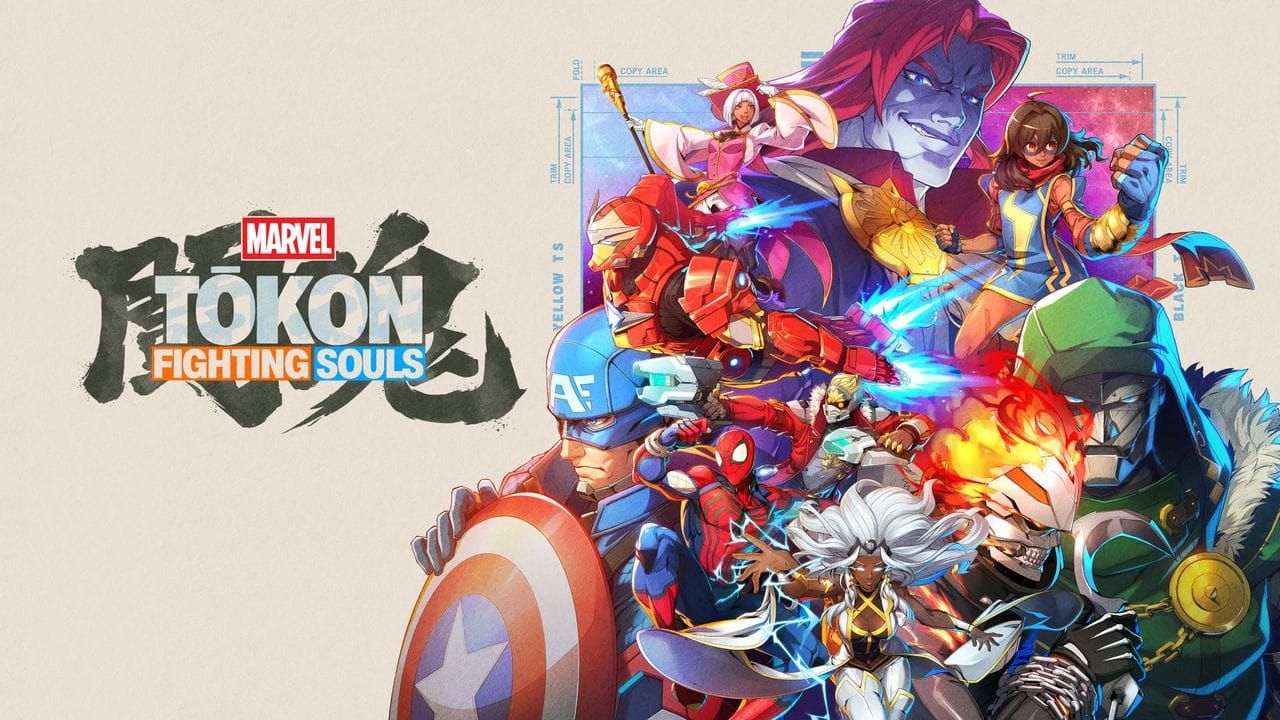
MARVEL Tōkon: Fighting Souls brings together Marvel’s heroes, manga-inspired storytelling, and Arc System Works’ fighting-game style in a way that immediately connected with me.
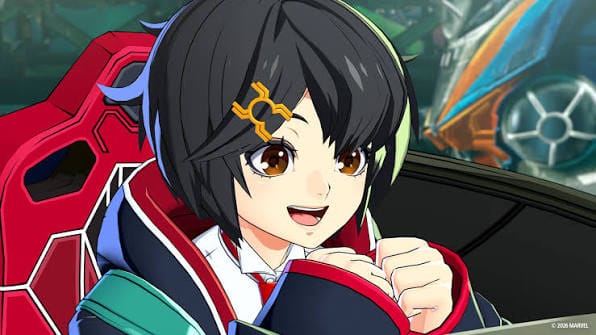
As someone who grew up watching anime and reading manga, I loved the presentation. The fully voiced comic sequences, expressive characters, and colourful battles give Tōkon an identity of its own. Its appeal also extends beyond the visuals, with a rewarding 4v4 fighting system, excellent tutorials, and plenty to do before stepping into an online match.
My experience was strongest on PlayStation 5, where online fights ran smoothly. PC performance was less consistent, and the online lobby had some frustrating quirks. Those issues deserve attention, but the fighting itself kept me coming back.
Episode Mode Brings Marvel Into Manga
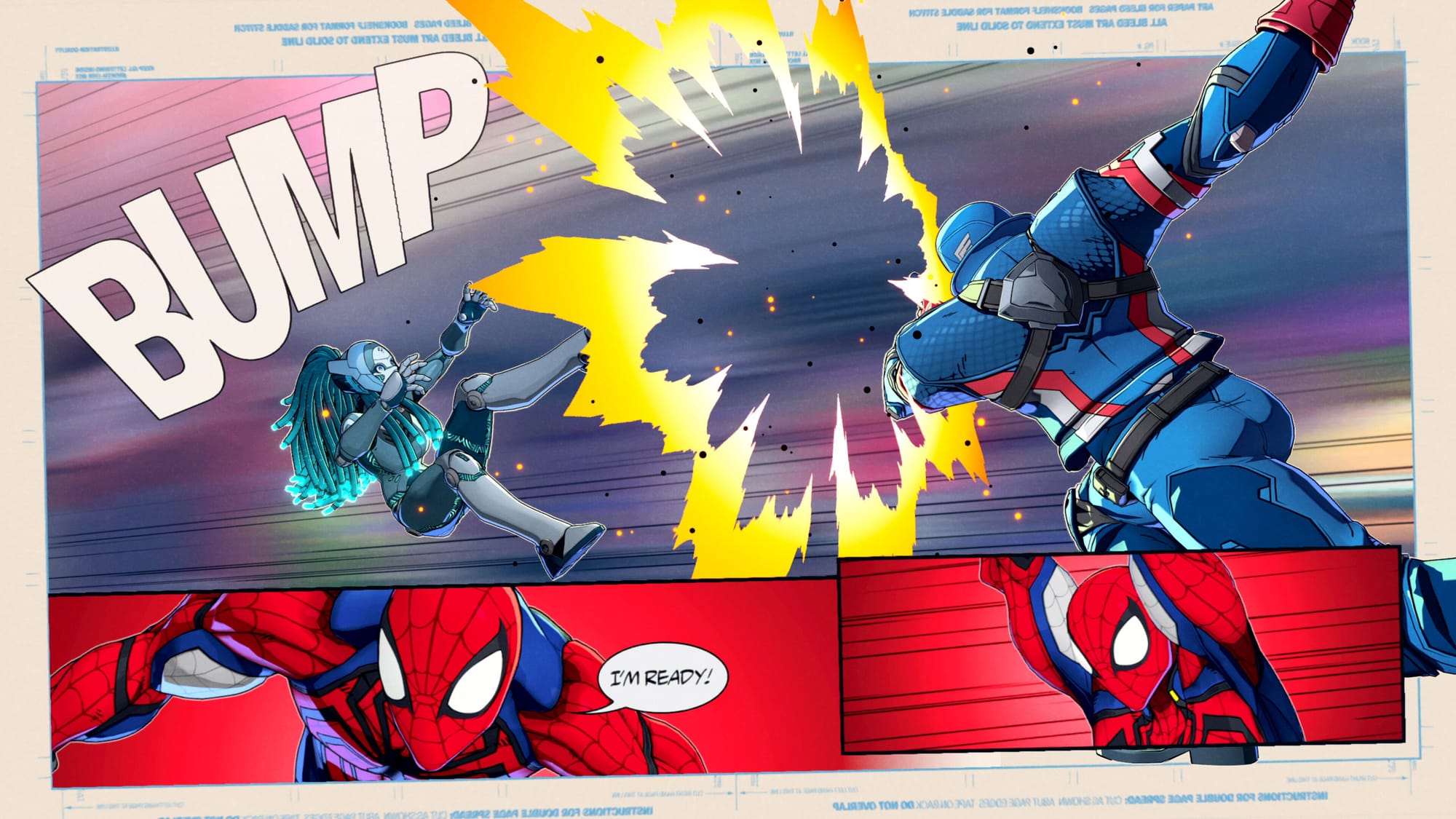
Episode Mode is one of the clearest examples of what makes Tōkon’s presentation work.
Each team’s story unfolds through fully voiced motion-comic sequences that combine Western superhero imagery with manga-style layouts. Panels move across the screen, characters receive dramatic framing, and the use of colour reminds me of how coloured manga emphasizes action and emotion.
The voice acting helps bring those sequences to life. There are some particularly funny deliveries, and the characters have enough personality to make the scenes entertaining even when you are watching panels rather than traditional animation.
The individual stories are short, taking around two hours at most depending on how quickly you move through the fights. Other routes shift the perspective and put different heroes in the spotlight, giving you a reason to explore beyond your first team.
I enjoyed the format. Players looking for a lengthy cinematic campaign may want more, but the comic-book approach suits these characters and gives Episode Mode a distinctive appeal.
Plenty to Do Before Going Online
One of my biggest surprises was how much Tōkon offers players who do not want to jump straight into competitive matchmaking.
Alongside Episode Mode, there is All Star Arena, Arcadia Rumble, Training Mode, local battles, and character guides. These modes give you different ways to spend time with the roster while becoming more comfortable with the fighting system.
Arcadia Rumble offers a change of pace through a points-based competition, with opportunities to power yourself up along the way. Its offline option also makes it worth exploring if multiplayer is not your main interest.
All Star Arena provides a series of fights with different rules and challenges. One element I enjoyed was collecting Support Souls after defeating bosses. These strengthen your characters, and obtaining duplicates can improve those bonuses further.
That progression gives the CPU battles a welcome sense of purpose. I had more reason to continue than simply clearing another opponent, and it helped make the single-player offering feel substantial.
Tutorials That Make Learning Rewarding
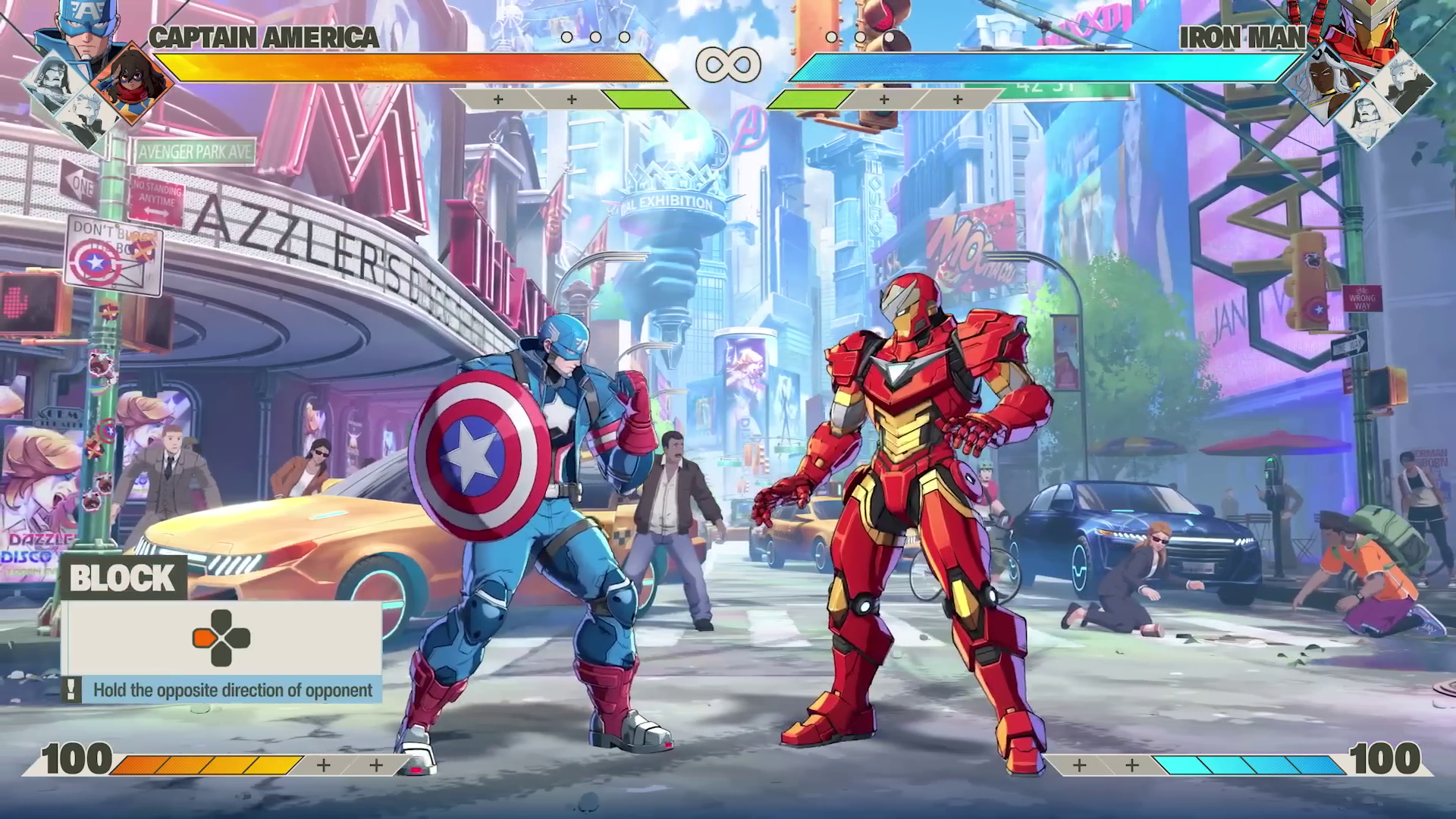
A four-character team system could easily feel intimidating, so Tōkon’s tutorials have an important job. Thankfully, they are one of the strongest parts of the package.
The opening lessons introduce the fundamentals, while more advanced tutorials and combo challenges give you room to develop. Individual character lessons cover basic actions, combinations, and unique mechanics, making it easier to try someone unfamiliar without feeling completely lost.
I appreciated having a clear starting point for each fighter. Learning the roster becomes more manageable when the game explains how a character works before asking you to build a strategy around them.
Completing basic and combo challenges can also unlock additional character colours. It is a small incentive, but it makes time spent learning feel rewarding beyond the improvement in your execution.
The tutorials do not remove the work involved in mastering a fighting game. They make that work easier to understand and more enjoyable to begin.
How the 4v4 Battles Come Together
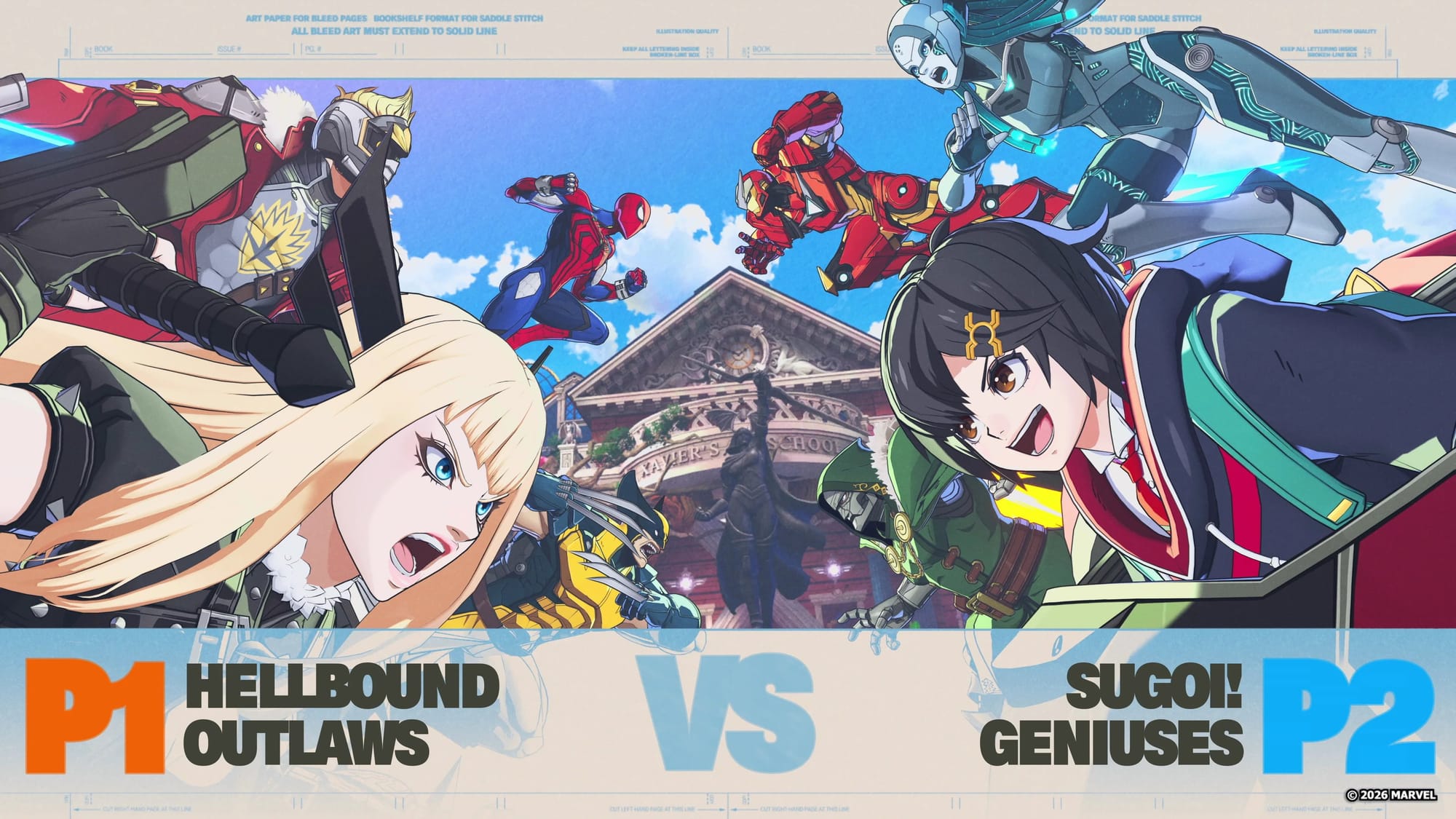
Tōkon’s defining feature is its 4v4 team structure, although matches build toward that full lineup rather than giving you every character immediately.
You begin with part of your team available, with additional fighters joining as conditions are met during the match, including stage transitions or lost rounds. That gives battles a satisfying sense of escalation as more options become available.
Your team shares a health pool, so the four fighters function as a connected unit. Assists and tags become part of managing the same battle rather than treating each character as a separate opponent to be defeated.
Team construction opens up plenty of possibilities. An assist can help control space with a projectile or provide an answer to an airborne opponent, while the Crossover system lets you move from calling on a teammate to actively controlling them.
What I enjoyed most was how those systems build on each other. Learning a character’s attacks is the starting point. Understanding how the rest of the team supports that character is where the experimentation becomes interesting.
Wall Breaks Add More Than Spectacle
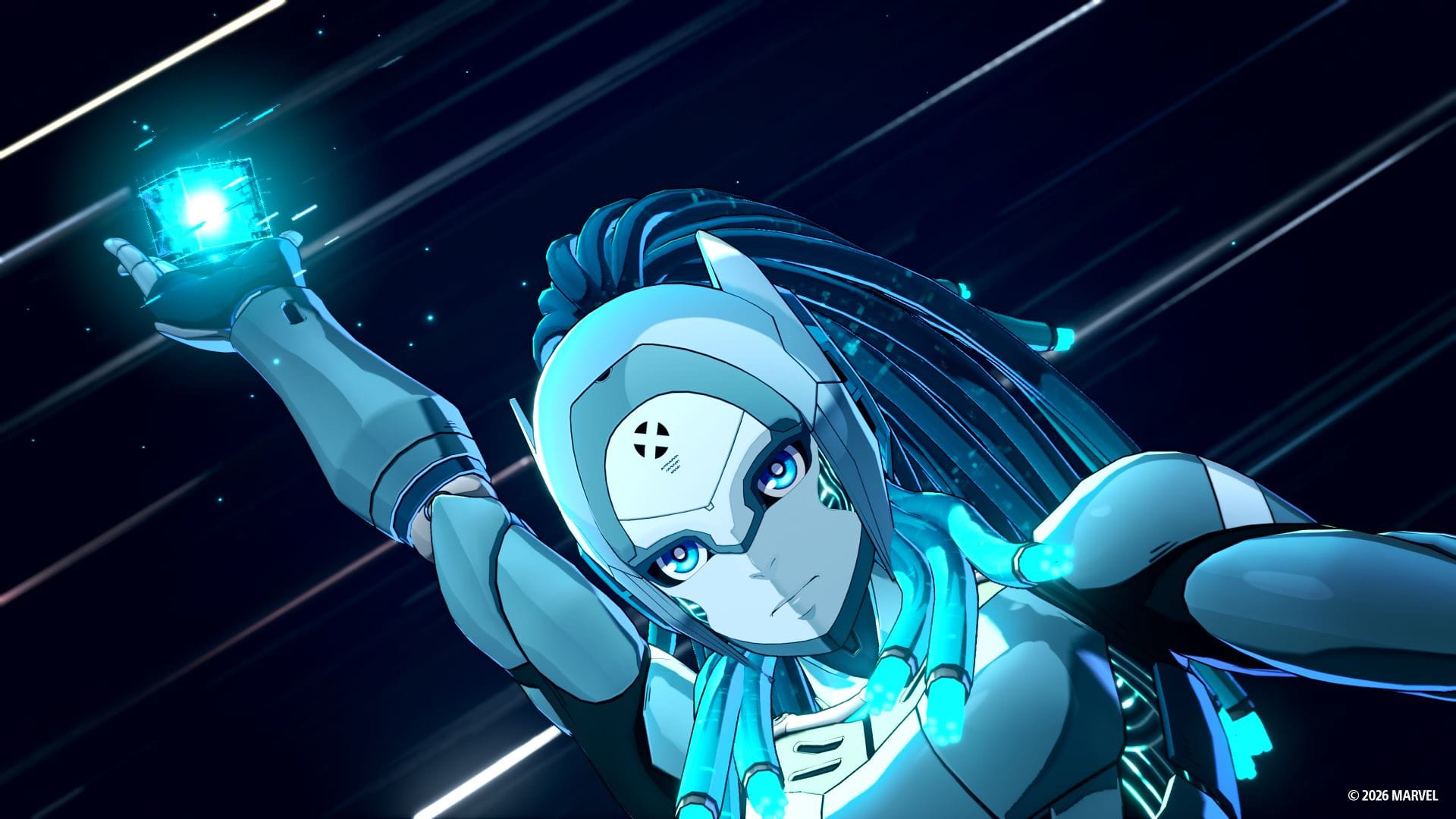
Wall Breaks are among the game’s most entertaining visual touches, sending fights from one area of a stage into another.
They also serve a mechanical purpose. Because stage transitions can help bring additional teammates into the battle, breaking through a wall can expand the options available to you.
That connection makes the spectacle feel relevant to the fight. The changing environments give battles a larger scale, while the Marvel imagery throughout the stages reinforces the setting.
It is a good example of Tōkon bringing its presentation and fighting systems together. The transition looks exciting, and it can affect what happens next.
Approachable Basics With Room to Grow
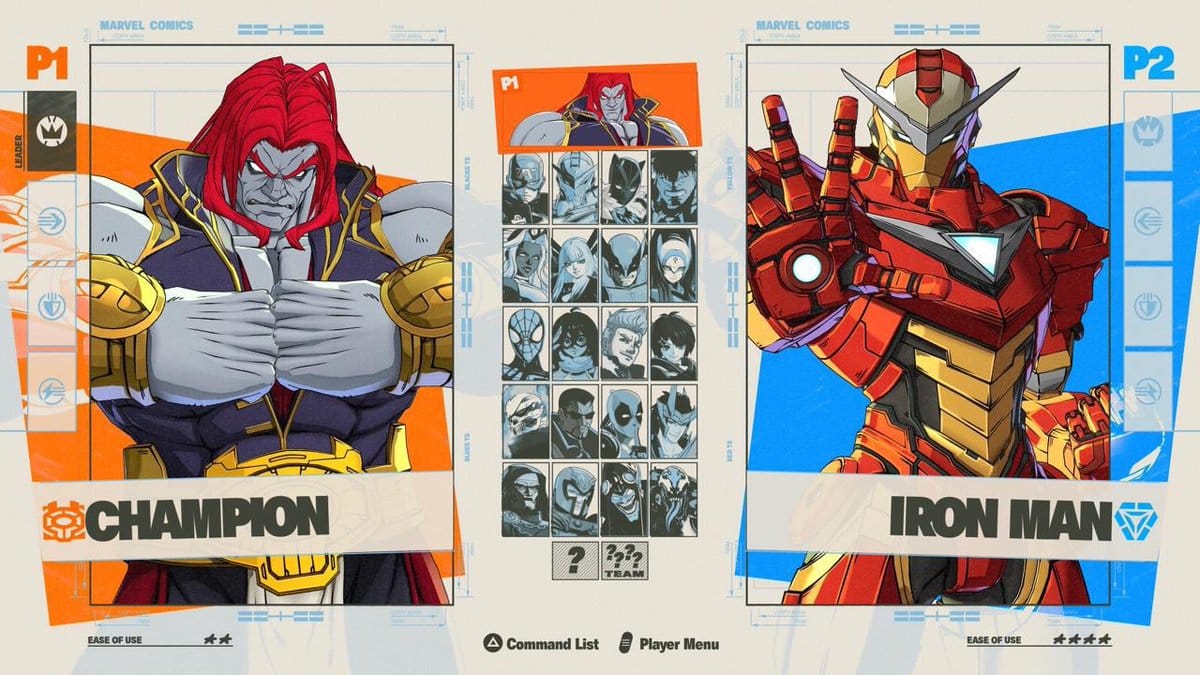
The controls provide a manageable foundation through Light, Medium, and Heavy attacks alongside character-specific moves.
Seeing Captain America throw his shield or Iron Man fire his repulsors makes each fighter’s identity immediately recognizable. From there, you can begin adding assists, Crossovers, EX attacks, and ultimate skills to your approach.
I liked that I could focus on one character and a few basic combinations before worrying about every possibility available to the team. The tutorials support that gradual learning process.
Once you start considering how four characters interact, the game becomes much more demanding. Choosing an assist, deciding when to switch, and finding combinations that work together provide plenty to explore.
The accessibility comes from having a clear place to begin. The depth comes from how much there is to build on that foundation.
Smooth Online Matches on PS5, With Some Lobby Frustrations
My online experience on PlayStation 5 was very smooth, including matches against opponents farther away. The rollback netcode generally let me concentrate on the fight without the connection becoming a distraction.
I also appreciated being able to queue for Ranked and Casual matches without standing at an arcade machine in the online lobby. It makes getting into another match more convenient.
The lobby itself was less reliable. When too many players gathered around the same machine, I encountered problems using it and had to find another one.
That was frustrating, although the separate Ranked and Casual queues provided a way to keep playing. There is a distinction between the lobby experience and the matches themselves: the lobby caused occasional trouble, while the actual PS5 fights were consistently enjoyable during my time with the game.
PC Performance Was Less Consistent
The PC version did not deliver the same smooth experience on my setup.
Performance was less consistent than on PS5, and moving between the two made the difference noticeable. In a fighting game, that inconsistency matters because the feel and timing of each exchange are central to the experience.
Based on the versions I played, PS5 was my preferred platform. That reflects my testing rather than a guarantee of how the game will perform on every PC configuration.
Any future improvements will need to be assessed when they are available. For this review, the uneven PC performance remains a drawback.
Strengths
Tōkon’s strongest qualities are its distinctive presentation, rewarding team mechanics, and excellent teaching tools. The fully voiced manga-inspired stories give the Marvel cast plenty of personality, while the 4v4 system offers satisfying opportunities to experiment with assists and character combinations. A substantial selection of solo activities and smooth online matches on PS5 round out the experience.
Weaknesses
PC performance was noticeably less consistent on my setup, and crowded arcade machines caused problems in the online lobby. Episode Mode’s individual stories are also brief, which may disappoint players looking for a longer campaign. The performance issues are the most significant concern because they affect the feel of play, even when the underlying fighting system is strong.
Final Verdict
MARVEL Tōkon: Fighting Souls gives Marvel a distinctive fighting-game identity through its manga-inspired presentation and engaging 4v4 battles. I enjoyed the fully voiced stories, the freedom to experiment with team combinations, and the tutorials that made learning new fighters feel manageable.
There is plenty to explore as a solo player, while the team mechanics provide a strong reason to keep improving. On PS5, smooth online matches made it easy to put those lessons into practice.
The recommendation is more qualified on PC, where performance was less consistent during my testing. The lobby issues also need attention, although they were easier to work around than problems affecting the fights themselves.
On PS5, Tōkon was an excellent experience for me. It brought together my love of Marvel, anime, and manga with a fighting system that made me want to learn more. I finished each session thinking about another character to try or another team combination to test, which is a strong reason to return.