Marvel’s Wolverine Preview: Brutal Combat, Rage and Insomniac’s New Take on Logan


There has been one major question surrounding Marvel’s Wolverine ever since Insomniac Games revealed the project: can the studio that perfected Spider-Man make Wolverine feel like Wolverine?
PlayStation Canada invited us to get hands-on for one of PlayStation’s biggest upcoming releases. Based on those impressions, the answer is becoming increasingly clear.
This is not simply Marvel’s Spider-Man with claws.
There is certainly some familiar Insomniac DNA underneath everything, but Marvel’s Wolverine is shaping up to be a much more violent, aggressive, and focused action game built around Logan's personality rather than trying to force the character into the formula that worked for Peter Parker and Miles Morales.
And that might be exactly what Wolverine needed.
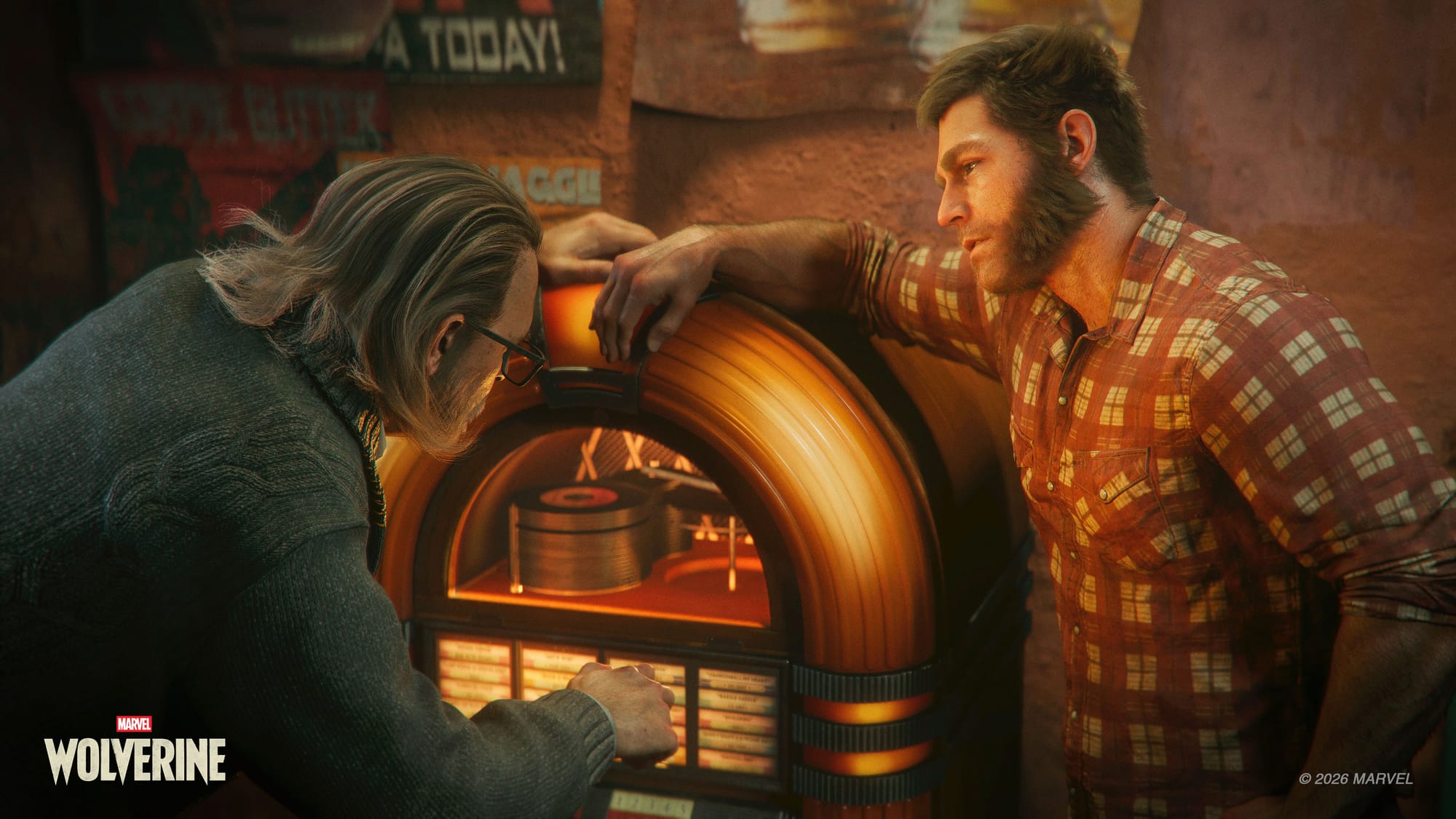
Wolverine feels completely different from Spider-Man
The obvious comparison is going to be Marvel’s Spider-Man. Both games come from Insomniac, both are third-person superhero action games, and Wolverine exists in the same Earth-1048 universe established by the studio's Spider-Man series.
But once the claws come out, the similarities quickly start disappearing.
In our video interview for his early previews, Caboose explained during another discussion of the same hands-on session that some of the basic control philosophy will feel familiar to players coming from Spider-Man. Triangle, for example, was previously used to quickly zip Spider-Man toward an enemy. Wolverine uses a similar input to launch himself directly at an opponent.
What happens after Logan reaches that enemy is very different.
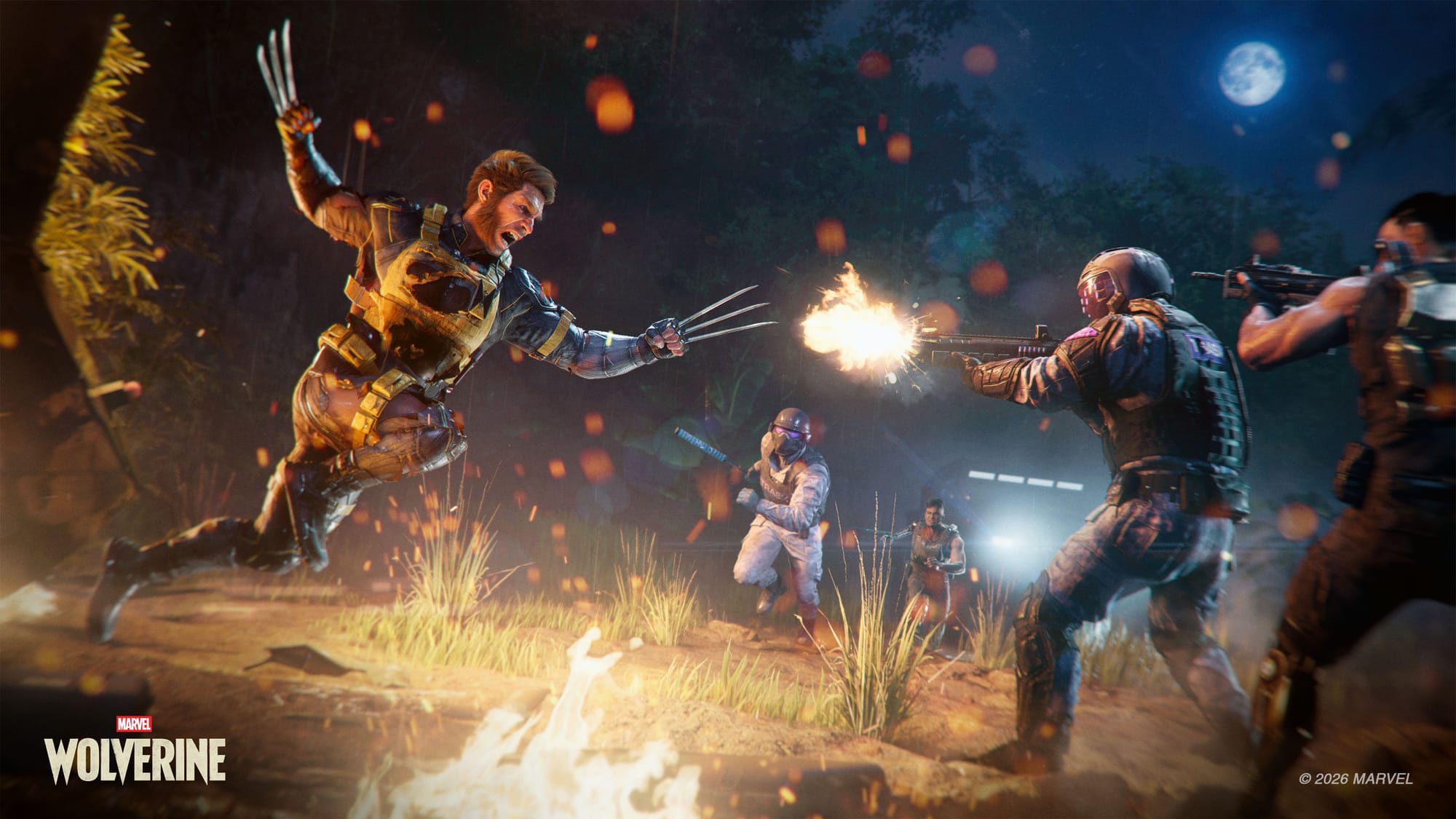
Wolverine isn't trying to incapacitate anyone. Limbs can be removed, enemies can be impaled, and blood is everywhere. Trying it out, the game has no problem being mature and gory. This immediately establishes just how far Insomniac is willing to go compared with its previous Marvel games.
That distinction matters.
Wolverine has always been a character defined by physicality. Spider-Man moves around a battlefield almost like a dancer. Logan should feel like something that has been unleashed.
From what we have seen and heard so far, Insomniac understands that difference.
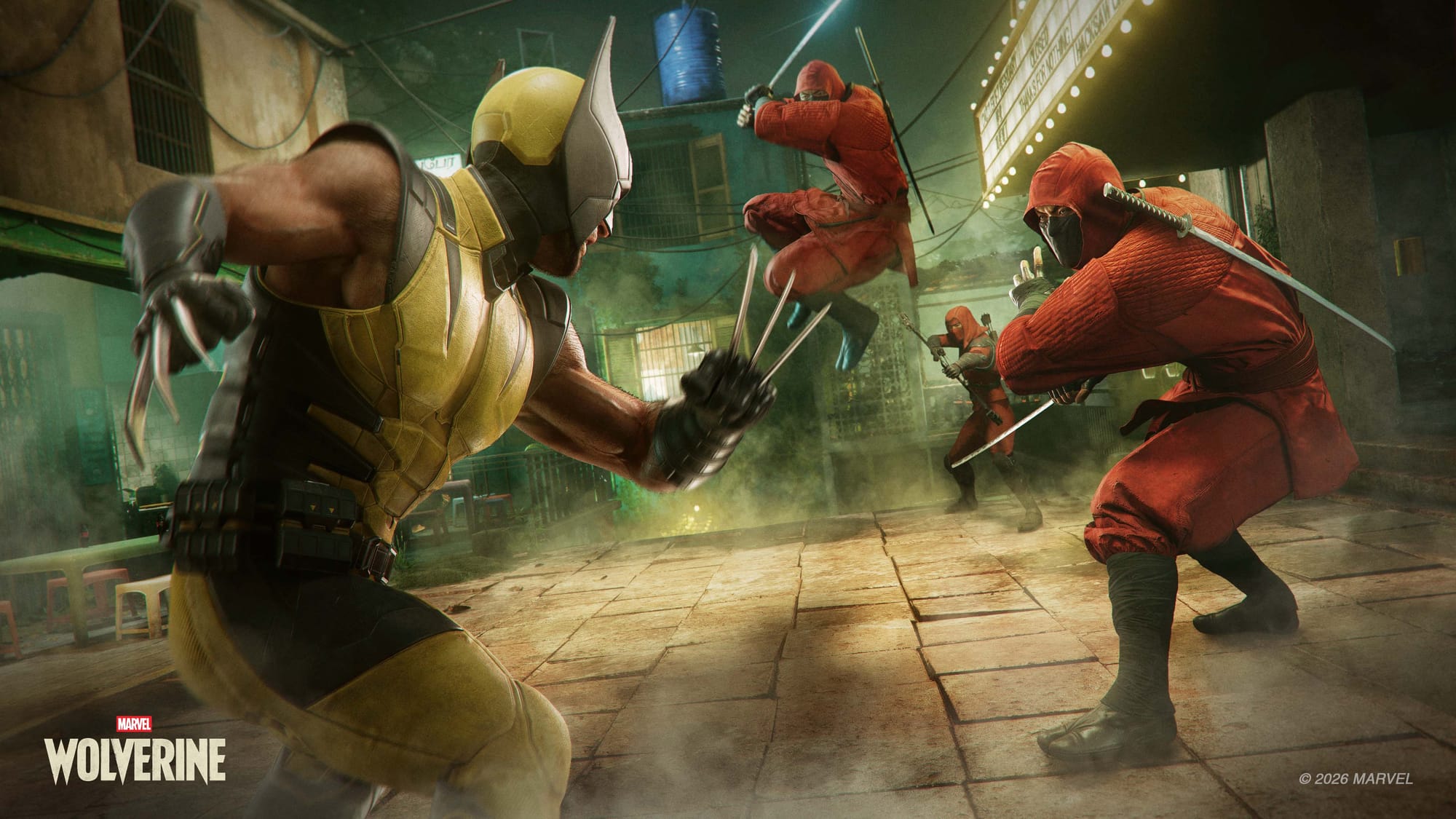
Combat is built around aggression.
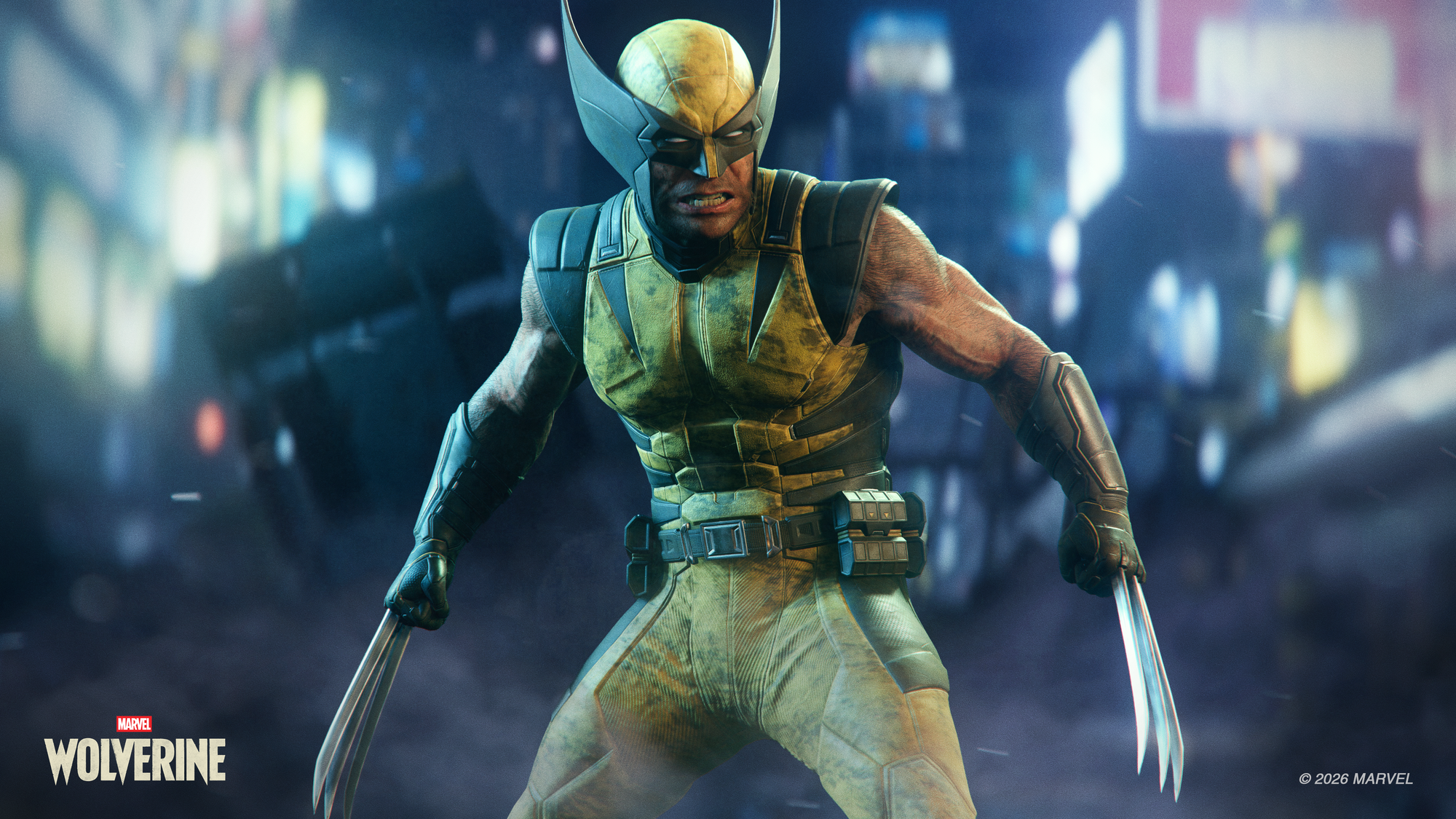
Combat looks like the heart of Marvel’s Wolverine.
Logan has access to traditional attacks, combos, dodges, and parries, but his movement and abilities encourage players to constantly close the distance between themselves and their enemies.
He can launch himself across encounters to attack opponents rather than patiently waiting for them to come to him. Special techniques such as Tornado Spin allow him to tear through groups, while Knee Breaker can interrupt incoming attacks.
The system is easy enough to understand, but everything feeds into one of the game's most important mechanics: Rage.
Successful attacks build Wolverine's Rage Meter through three different tiers. As his rage grows, Logan becomes increasingly dangerous.
At Rage Tier 2, Wolverine gains access to Last Stand, allowing him to use his Rage to recover after being taken down. Reach Rage Tier 3 and Logan becomes considerably more powerful, opening the door for devastating critical attacks and executions.
It is a clever way of translating Wolverine's personality into gameplay.
The longer a fight goes and the more violent it becomes, the more dangerous Logan gets.
That feels right.
Wolverine's healing factor actually matters.
One of the biggest challenges with making a Wolverine game is also one of the character's greatest abilities.
How do you make a character with an incredible healing factor vulnerable?
Insomniac is not ignoring the problem. Instead, Wolverine's regenerative abilities have been incorporated directly into combat.
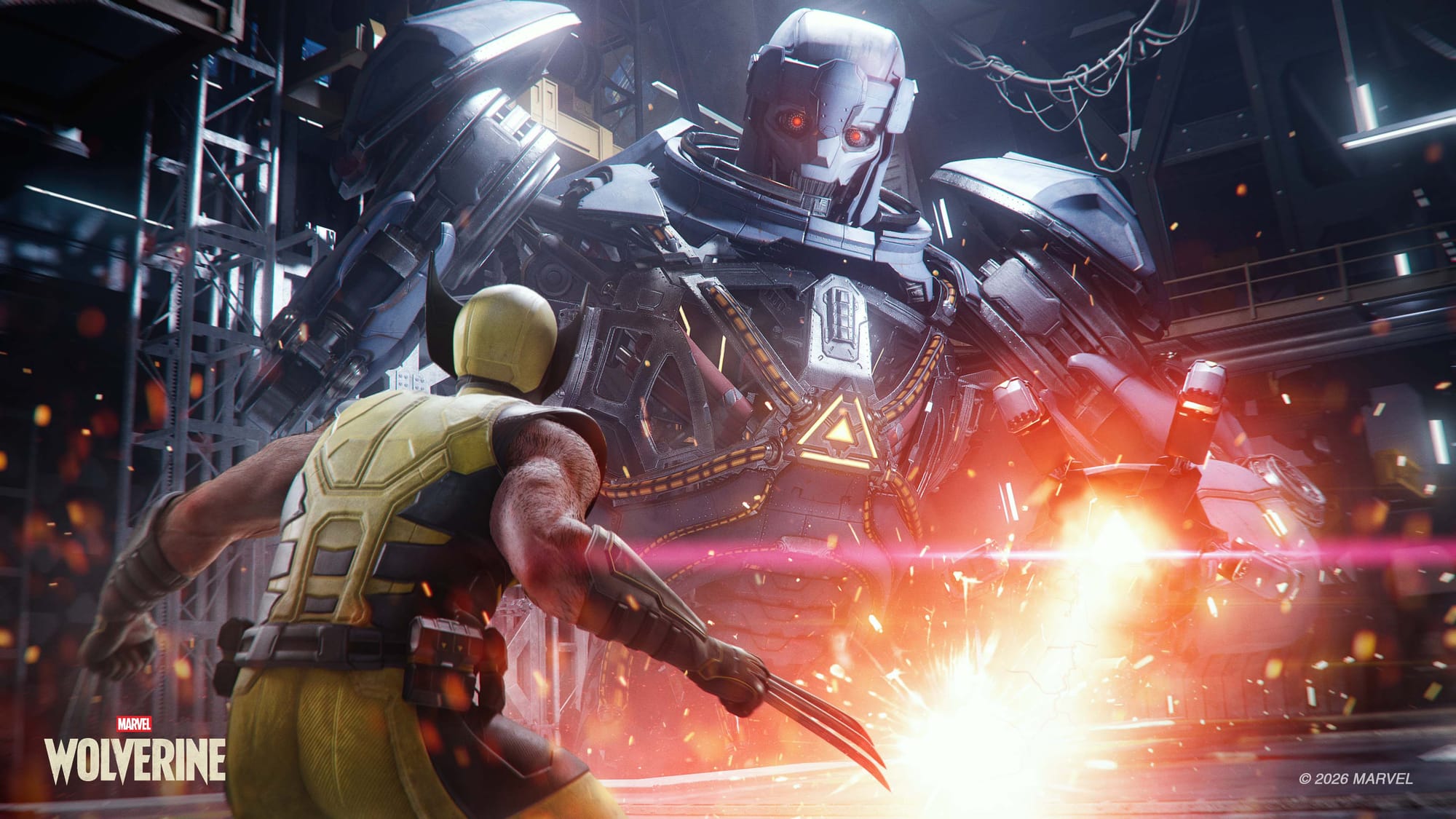
Logan can recover from significant punishment, but situations involving ability inhibitors can temporarily remove those advantages. When that happens, suddenly the character who normally seems almost impossible to put down has to fight knowing his healing factor cannot bail him out.
That creates an interesting gameplay opportunity.
Players get the fantasy of being Wolverine without making every encounter meaningless.
It also opens the door for enemies and boss fights specifically designed around finding ways to neutralize Logan's greatest strengths.
Wolverine is linear, and that could be a good thing.
One of the biggest departures from Marvel’s Spider-Man is the structure of the game.
Marvel’s Wolverine is not an open-world title.
Instead, Insomniac is building a more focused, story-driven action adventure.
That does not mean players simply walk down corridors from one fight to another. Areas can open up and give players opportunities to explore, discover collectibles, and find upgrade materials.
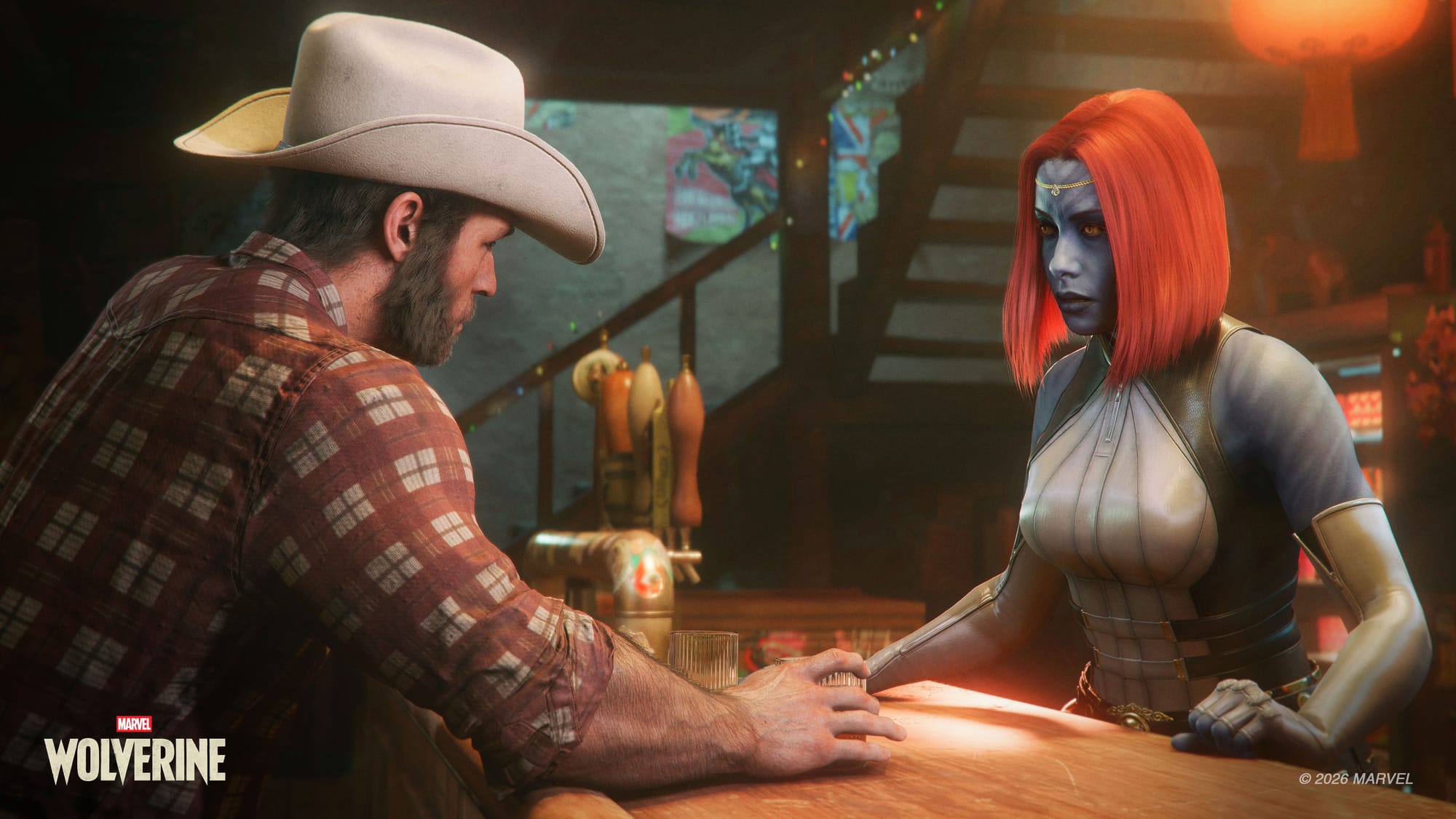
Madripoor's Lowtown is a particularly interesting example.
Players can spend time in the Princess Bar, interact with characters, and explore their surroundings without constantly fighting. Enhanced senses can be used to follow scents, overhear conversations, and uncover additional details hidden throughout the environment.
This could end up being one of the game's biggest strengths.
Spider-Man needs New York City. Traversing an enormous city is part of the fantasy of playing Spider-Man.
Wolverine does not necessarily need that.
A more controlled adventure allows Insomniac to send Logan around the world while keeping the pacing tight and the environments specifically designed around the story being told.
There is more to Logan than the violence.
For all the attention being placed on dismemberment and brutal combat, Wolverine has never been interesting simply because he has claws.
The best Wolverine stories explore the person underneath them.
That appears to be an important part of Insomniac's approach.
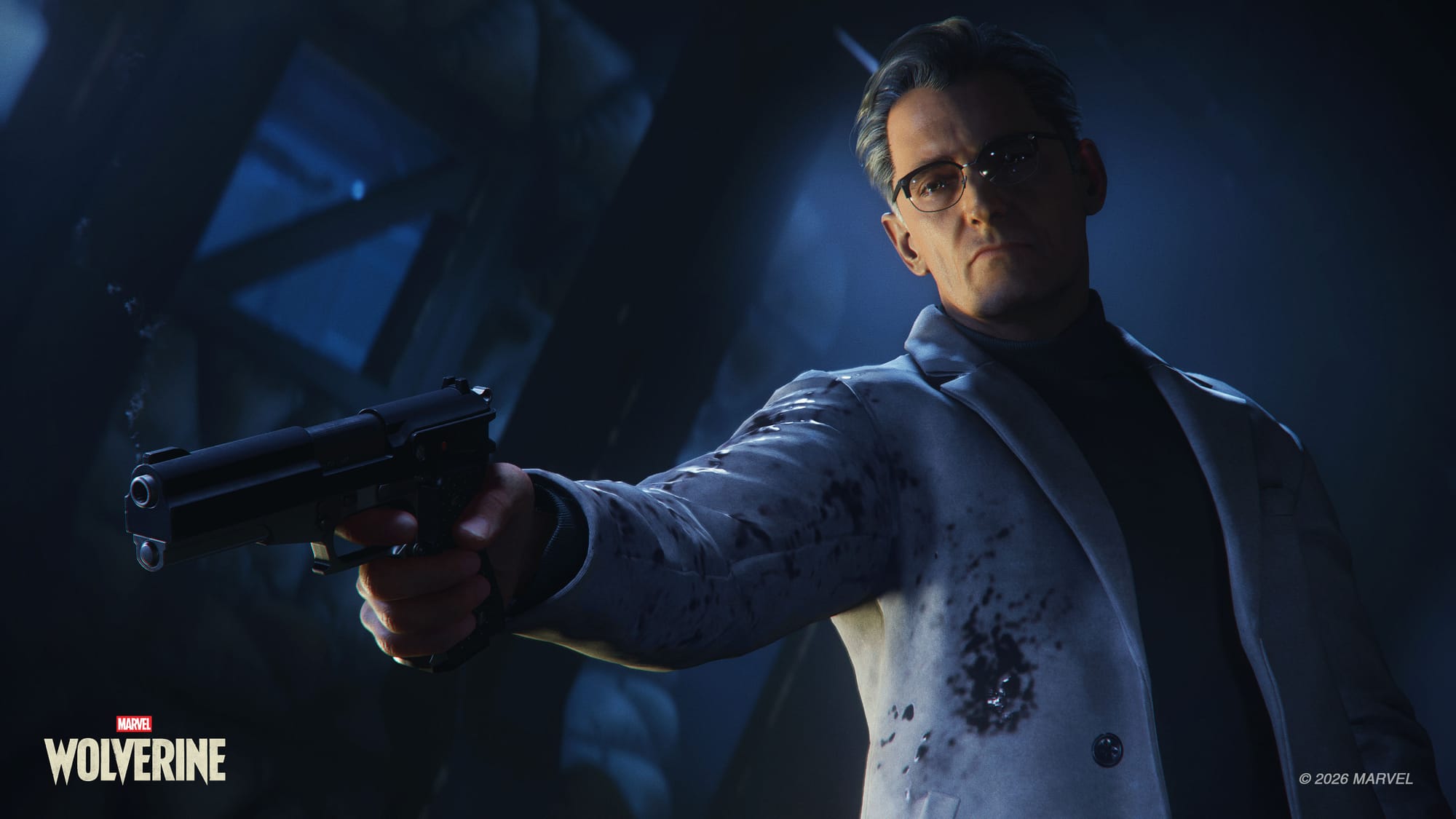
The story introduces a version of Logan struggling with parts of his past while working alongside Team X. This version of the group includes Wolverine, Mystique, and Sabretooth, with Nathaniel Essex playing an important role in bringing them together.
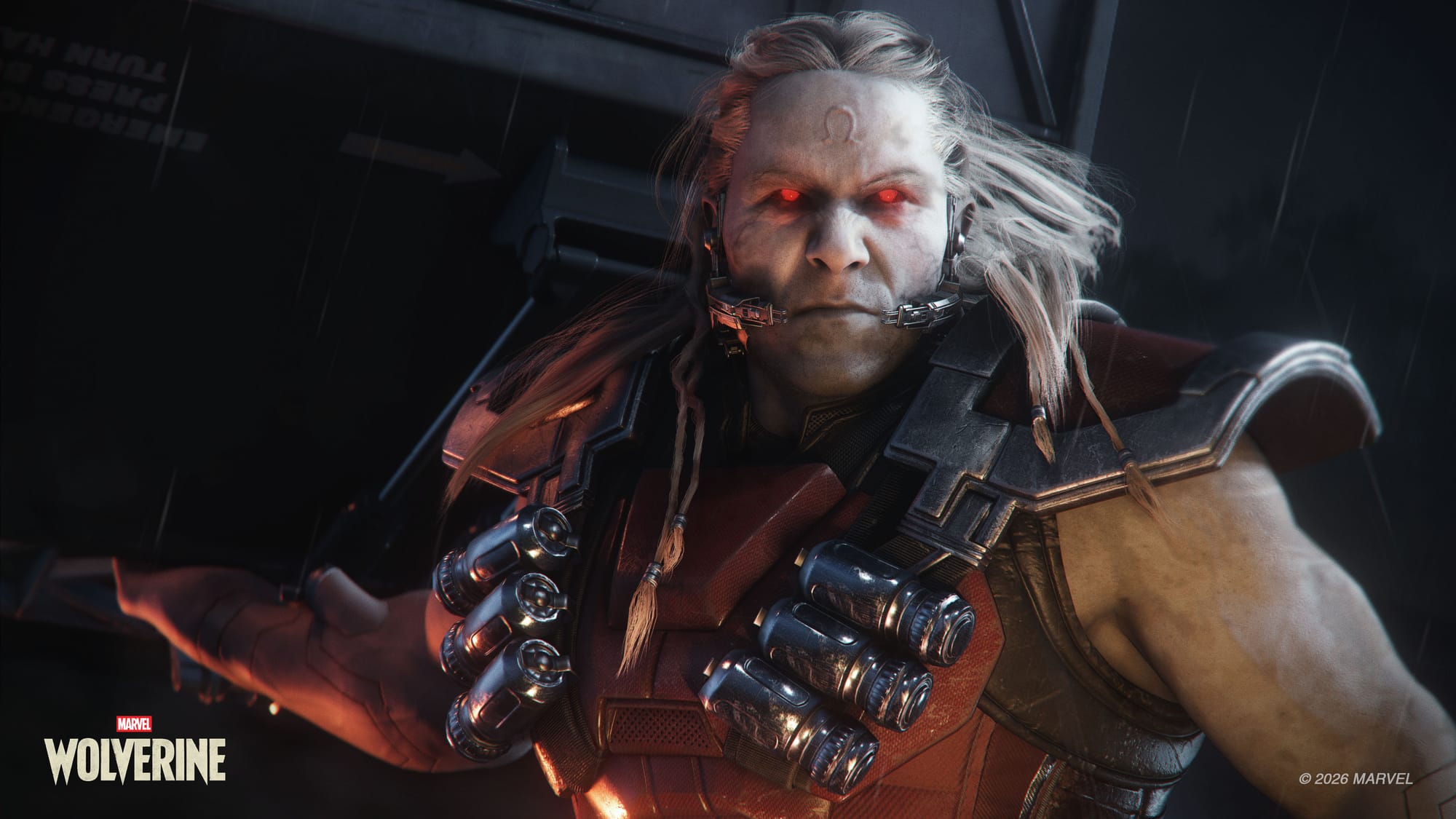
Bolivar Trask and his anti-mutant operations sit on the opposing side of that conflict, while characters including Omega Red and Jean Grey help expand the mutant side of Insomniac's universe.
Interestingly, this is also a world where the X-Men have not yet fully become what fans traditionally recognize.
That gives Insomniac room to create its own interpretation of these characters without having to retell decades of established X-Men history.
For Wolverine specifically, it also allows the story to focus on a Logan still trying to understand who he is.
Nightmare Doors could provide some of the game's most interesting side content.
Exploration also introduces Nightmare Doors.
Finding one transports Wolverine into a surreal challenge called a Nightmare Trial. These optional sequences remix environments into timed traversal challenges, and completing them can unlock memories from Logan's forgotten past.
It is an interesting approach because collectibles and optional challenges are being connected to character development.
Rather than simply completing activities for another percentage point on a completion screen, players are potentially piecing together Logan's history.
For a character whose memory has traditionally played such a significant role in his stories, it fits naturally.

Liam McIntyre could be an important part of Insomniac's Logan.
Caboose's trip also included meeting Liam McIntyre, who portrays Logan in the game. The A Gaming Podcast episode highlighted that experience as part of the behind-the-scenes discussion surrounding the project.
Wolverine is a difficult character to get right.
There needs to be anger, but there also needs to be restraint. Logan can be terrifying one moment and unexpectedly vulnerable the next.
The gameplay appears determined to capture the animalistic part of Wolverine. The story now has to convince us that there is still a man underneath it.
That balance may ultimately decide whether Insomniac has created a fun Wolverine action game or one of the great Wolverine stories.
Our biggest question is how the combat develops.
The first impression of the combat is undeniably strong.
But there is still one major question that will not be answered until we play much more of the game.
How much does it evolve?
Wolverine's claws create an incredible first impression, but a full adventure needs enough enemy variety, abilities, upgrades, and encounter designs to make those fights remain exciting several hours later.
The Rage system, Special Techniques, different upgrades, and enemy types appear to give Insomniac the tools it needs to accomplish that.
The full game will determine whether it succeeds.
For now, though, the foundation looks extremely promising.
Marvel's Wolverine feels like Insomniac understanding the assignment.
Perhaps the most encouraging thing about Marvel’s Wolverine is that Insomniac does not appear interested in simply repeating its Spider-Man formula.
There are similarities where they make sense. The controls should immediately feel comfortable to anyone familiar with the studio's previous Marvel games, and Insomniac's cinematic storytelling style is clearly still present.
But Wolverine moves differently.
He fights differently.
The environments are structured differently.
Most importantly, the game seems willing to embrace everything that makes Logan different from Spider-Man.
Wolverine is violent, angry, and capable of doing things Peter Parker never would. At the same time, some of the most interesting material appears to be focused on the man struggling underneath that rage.
After years of waiting to see exactly what Insomniac was building, the pieces are finally starting to come together.
Marvel’s Wolverine launches September 15, 2026, exclusively for PlayStation 5.
If the rest of the game can build on what we experienced during this early hands-on session, Insomniac may have something much bigger on its hands than simply another Marvel game.
It may finally be giving Wolverine the modern video game he deserves.